We have the vertical integration capability of "ITO film production -PDLC formula development - PDLC film production - cut to size processing - glass lamination"
ITO Film for Smart Film

PRODUCTS

HomePRODUCTSITO Film ITO Film for Smart Film

  • ITO Film for Smart Film
  • ITO Film for Smart Film
  • ITO Film for Smart Film
  • ITO Film for Smart Film
  • ITO Film for Smart Film
  • ITO Film for Smart Film
  • ITO Film for Smart Film
  • ITO Film for Smart Film
  • ITO Film for Smart Film
  • ITO Film for Smart Film
  • ITO Film for Smart Film
  • ITO Film for Smart Film
  • ITO Film for Smart Film

ITO Film for Smart Film

As the core "neural center", the ITO conductive layer ensures the smart film features "fast response, low power consumption, and long lifespan" with high light transmittance, low surface resistance, and nanoscale coating uniformity. It is widely applicable to intelligent light control needs in architecture, automotive, electronics, medical, and other scenarios.
Product Overview
As a critical component of smart film, the ITO transparent conductive layer enables dynamic switching between "transparent and frosted" states by controlling the alignment of liquid crystal molecules via electric fields: Power-off State: Liquid crystal molecules scatter light randomly, presenting a frosted opaque state for privacy protection. Power-on State: The ITO electrode layer applies voltage to form an electric field, driving liquid crystal molecules to align orderly. Light penetrates through,presenting a high-definition transparent state.
  • Ultra-HD Transparent Conductivity with Uncompromised Visual Experience

    Ultra-HD Transparent Conductivity with Uncompromised Visual Experience

    Optical-Grade Light Transmission: The ITO coating boasts high visible light transmittance and low haze, with transparency comparable to float glass. It eliminates "metal plating reflection" issues, ensuring clear visibility of the original building appearance when covered. Molecular-Level Coating Uniformity: The ITO layer is prepared using magnetron sputtering technology, avoiding "light spots" or "shadows" caused by uneven local light transmission. This ensures consistent dimming effects even for large-area films over 10㎡.

  • Low Resistance & High-Efficiency Driving: Superior Response Speed and Energy Efficiency

    Low Resistance & High-Efficiency Driving: Superior Response Speed and Energy Efficiency

    Millisecond-Level Rapid Switching: Transition time from frosted to transparent state is <0.1 seconds, supporting dynamic light effects (e.g., gradient animations for stage backdrops). Ultra-Low Standby Power Consumption: Minimal power usage in static transparent state enables significant energy savings during long-term operation. Wide-Temperature Stable Operation: Suitable for outdoor use in harsh climates, from cold northern regions to hot southern areas.

The ITO film breaks through the pain points of traditional smart films ("low transmittance, slow response, short lifespan") through deep integration of "high-transparency conductive ITO layer + PDLC liquid crystal technology". With three core advantages—"ultra-fast switching, ultra-low power consumption, and ultra-long durability"—it serves as the "light control core component" in building energy efficiency, automotive intelligence, display protection, and other fields. Its full-chain optimization, from micro-level material innovation (ITO nano-coating) to macro-level scenario adaptation (multi-field customization solutions), not only achieves "dynamic balance between spatial privacy and lighting" but also drives the industrial upgrade from "passive building materials to active intelligent terminals". It is an indispensable key material for future smart spaces.

Scenario

Application Area

Core Value

Building Intelligent Doors and Windows

Office Partitions, Hotel Floor-to-Ceiling Windows, Skylights

Office partitions: Transparent when powered on to enable open collaboration; frosted when powered off to ensure meeting privacy. Automatically adjusts transparency with light sensors (saves 30% energy). Hotel floor-to-ceiling windows: Guests switch between "full transparent/frosted privacy" modes via room panels, replacing traditional curtains and improving space utilization.

Automotive Intelligent Interiors

Side Window Glass, Sunroof Sunshade Film, Instrument Panel Anti-glare

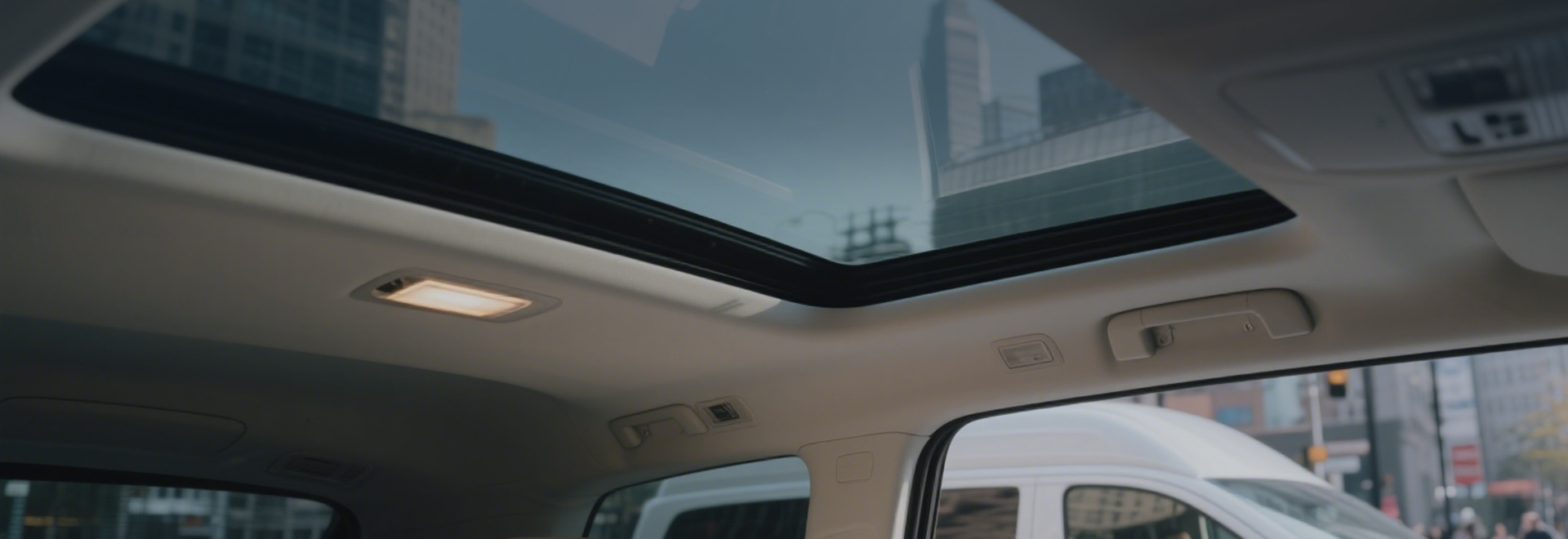
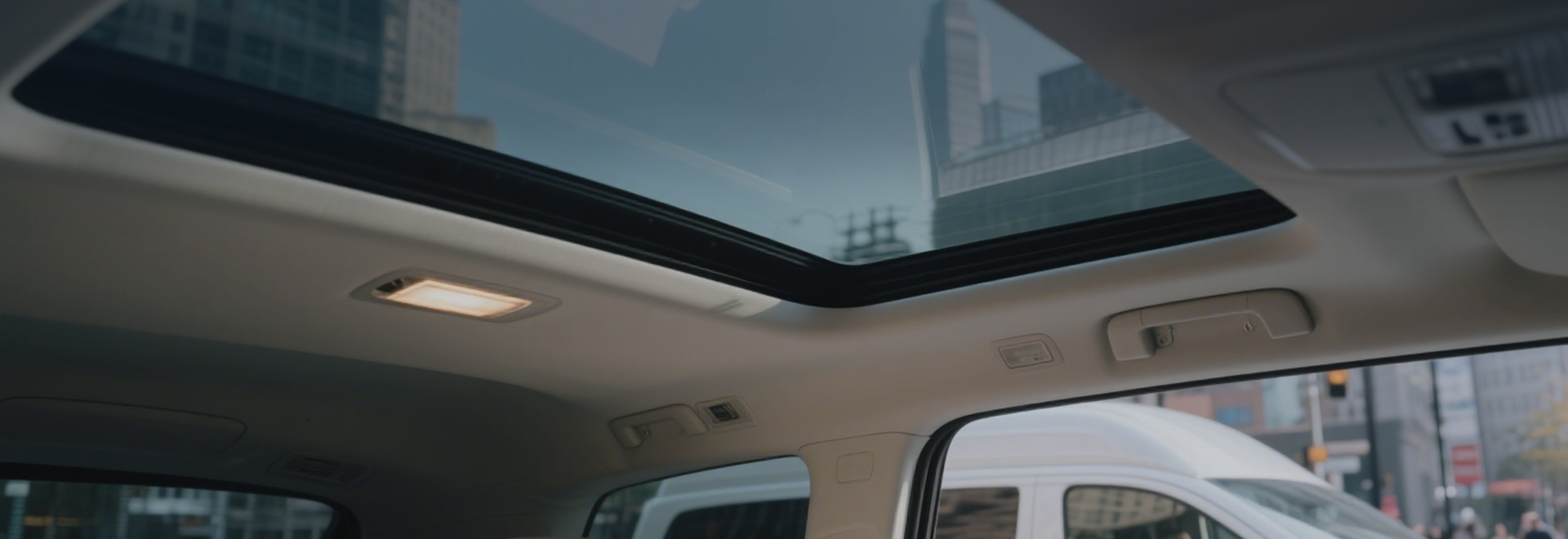
Side windows: Car owners control fogging via APP; automatically powers off and fogs when parked (prevents external visibility of in-car items); remains transparent when powered on during driving without affecting vision. Sunroof: 0.1-second switching of light transmittance; fogging blocks 90% of infrared rays in summer (reduces in-car temperature by 8°C); transparent lighting improves comfort in winter.

Retail and Exhibition

Interactive Display Windows, Showcase Glass, Advertising Screens

Interactive display windows: Customers touch ITO electrode to trigger local fogging and display product information (e.g., cosmetic ingredients). Showcase glass: Fogging when powered off to hide exhibits (anti-theft); transparent when powered on with lighting to highlight product details and enhance display effect.

Product Specifications

Size

Max Width 2000MM

Color

Transparent

Thickness

0.188MM、0.125MM

Visible Light Transmittance

>78%

Package Size

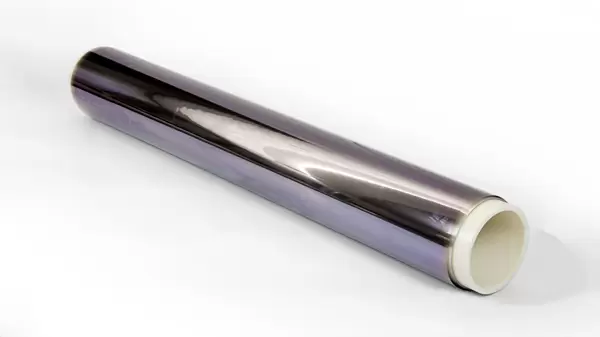
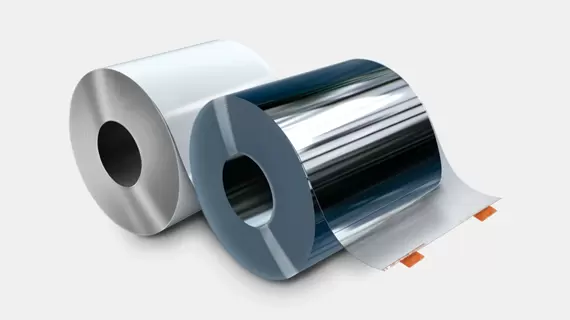
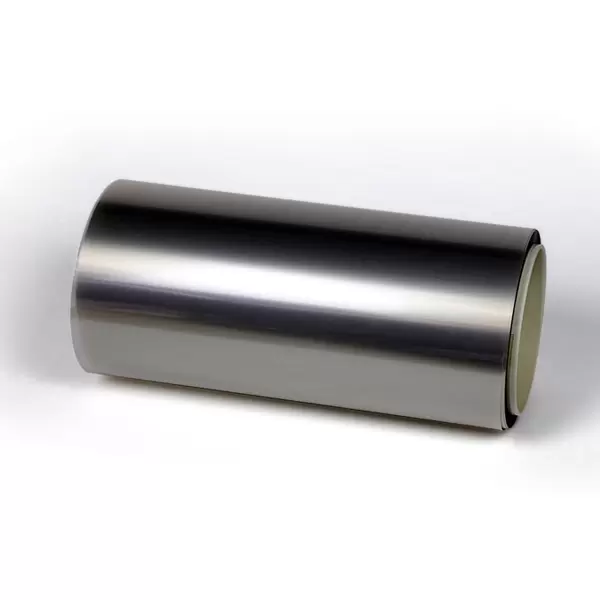
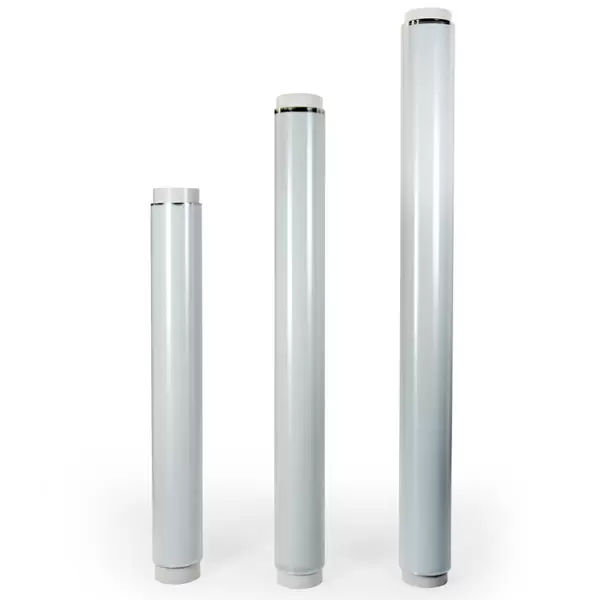
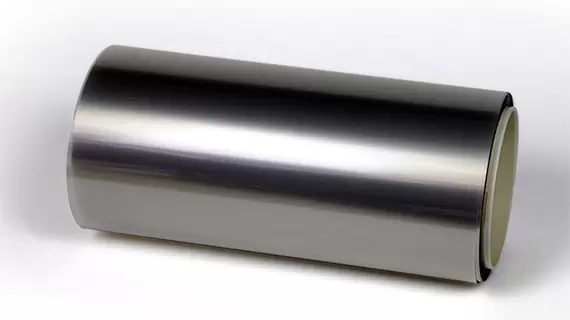
The product is rolled with a 6-inch inner diameter ABS core. The exterior is wrapped in PE/PP protective film to prevent moisture and dust. Both ends are secured with large flanged bases for stability.

Packaging Quantity

1roll

Payment Terms

Telegraphic Transfer (T/T)

MOQ

200M/ROLL

Production Time

7 working days ( depends on the QTY)

Surface Treatment

The exterior is wrapped in PE/PP protective film to prevent moisture and dust.

Delivery Terms‌

F0B/CIF/EXW

Shipping Packaging & Logistics

Carton or Wooden Case / Land or Air Transportation

FAQ
  • Q: What is the resistance value of your company's products?
    Our ITO films offer standard resistive options at 400 ohms and dimming-grade ITO at 100 ohms. Additionally, we can customise width and resistance values according to client specifications.
  • Q: What causes fluctuations in conductive performance?
    Resistivity is influenced by tin content, oxygen content, and crystalline state. Improper control of process parameters (such as sputtering power, gas pressure, oxygen ratio) may cause resistivity fluctuations, thereby affecting sheet resistance. For instance, excessive oxygen ratio reduces conductivity, while insufficient tin content may elevate resistivity.
  • Q: What are the common surface defects?
    Frequent surface issues include pitting, high-etch gaps, and microcrystalline fissures. These defects may arise from inadequate substrate pre-treatment or imprecise control of etching process parameters, directly compromising the conductive film's light transmittance and mechanical properties.

SEND US A MESSAGE