Why Choose a Car PDLC Smart Film Manufacturer for Automotive Smart Glass Solutions?
Learn more >


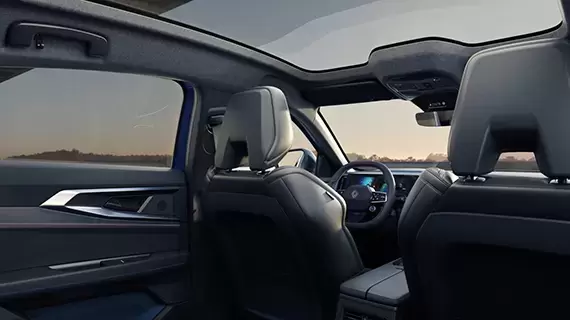
For many years, panoramic glass roofs have been regarded as one of the defining features of premium vehicles. Today, they are no longer limited to luxury sedans. Electric vehicles, SUVs, crossovers, and even family-oriented passenger cars increasingly feature large panoramic roofs as standard or optional equipment. A cabin filled with natural light creates a greater sense of openness, improves visibility for passengers, and contributes to the minimalist interior design that has become closely associated with modern electric vehicles.
As battery technology, intelligent cockpits, and digital driving experiences continue to evolve, consumers have come to expect more than transportation alone. Vehicle interiors are now expected to provide comfort, flexibility, and an enjoyable travel environment. A panoramic glass roof naturally supports these expectations by making the cabin feel brighter and more spacious without increasing the vehicle's exterior dimensions.
However, the same design feature that improves the driving experience during spring and autumn often becomes one of the biggest complaints during summer.
Owners in regions with prolonged sunshine frequently describe a similar experience. Even with the air conditioning operating at full capacity, cool air circulates around the lower body while intense heat continues to build above the driver's and passengers' heads. The temperature difference between the upper and lower parts of the cabin creates noticeable discomfort, especially during afternoon driving or after the vehicle has been parked outdoors.
This issue is not unique to one manufacturer or one model. It is increasingly discussed among owners of electric vehicles equipped with large panoramic glass roofs, making thermal comfort one of the most important topics in modern vehicle interior design.
The question is no longer whether panoramic roofs improve aesthetics—they undoubtedly do. The real challenge is how to preserve their visual advantages while preventing excessive solar heat from affecting everyday driving comfort.
The popularity of panoramic roofs is closely linked to changes in vehicle design philosophy. Traditional vehicles relied on metal roofs that visually separated passengers from the outside environment. Modern electric vehicles take a different approach. Designers aim to create cabins that feel brighter, more connected, and more relaxing for occupants.
Large glass roofs contribute to several objectives simultaneously.
First, they maximize natural daylight, making the interior appear larger than its physical dimensions. This effect is particularly valuable for electric vehicles, where flat floors and minimalist dashboards already create an open atmosphere.
Second, panoramic roofs enhance passenger experience. Rear passengers enjoy better visibility, while front occupants experience a more spacious environment during both urban commuting and long-distance travel.
Third, glass roofs support the clean exterior styling favored by many automotive manufacturers. Without traditional roof structures interrupting the design, vehicles achieve smoother body lines and a stronger technological identity.
These advantages explain why panoramic roofs are becoming increasingly common across different vehicle categories.
Design Benefit | Contribution to Vehicle Experience |
Larger glass area | Creates a brighter cabin with improved visibility |
Natural daylight | Enhances passenger comfort during daytime driving |
Open interior feeling | Makes compact cabins feel significantly larger |
Simplified roof structure | Supports modern exterior styling |
Premium appearance | Improves perceived vehicle quality |
Although these advantages are clear, every design decision involves engineering trade-offs. Increasing the glass area also increases exposure to solar radiation, requiring manufacturers to consider thermal management much more carefully than with conventional steel roofs.
Many drivers assume the glass itself is producing heat.
In reality, the glass is primarily transmitting and absorbing solar energy.
When a vehicle remains parked under direct sunlight, several forms of solar radiation interact with the roof system simultaneously. Visible light enters the cabin, infrared radiation transfers heat energy, and ultraviolet radiation contributes to material aging over time. Together, these factors create a greenhouse-like environment inside the vehicle.
Unlike conventional metal roofs that include thicker insulation layers between the exterior surface and passenger compartment, panoramic roofs intentionally maximize transparency. While modern automotive glass incorporates multiple technologies to reduce heat transfer, the larger glazed area still allows considerably more solar energy to interact with the cabin.
This process becomes particularly noticeable during periods of strong summer sunshine.
Engineering studies and field observations have shown that when ambient temperatures approach 39°C, the outer surface of a panoramic glass roof may exceed 50°C after prolonged sun exposure. Inside a parked vehicle, cabin temperatures can rise above 58°C within approximately one hour depending on solar intensity, ventilation conditions, glass specifications, and surrounding environment.
These temperatures do not simply create an uncomfortable driving experience. They significantly influence how quickly interior materials absorb heat, how efficiently the air-conditioning system must operate, and how rapidly passengers perceive thermal discomfort once they enter the vehicle.
The larger the glass area, the more critical effective thermal management becomes.
One of the most common observations among panoramic roof owners is surprisingly consistent.
The air conditioner appears to cool the cabin, yet the driver's head and shoulders continue to feel excessively warm.
This sensation is closely related to how radiant heat affects the human body.
Most automotive HVAC systems deliver conditioned air through dashboard vents and lower cabin outlets. Cool air naturally circulates around the torso and legs first. Meanwhile, the driver's head remains much closer to the glass roof, where solar radiation continues transferring heat downward.
Instead of responding only to air temperature, the human body also reacts to radiant heat from surrounding surfaces. When the roof glass becomes significantly warmer than interior trim components, passengers perceive additional heat even if the cabin air temperature has already begun decreasing.
The result is an uneven thermal experience.
Many drivers describe this as feeling comfortable below shoulder level while simultaneously experiencing excessive warmth around the scalp, neck, and upper body. During long journeys, this imbalance contributes to fatigue, reduced comfort, and frequent adjustments to the climate control system.
For families traveling with children or elderly passengers, the discomfort can become even more noticeable because seating positions often place occupants directly beneath the largest glass sections.
This explains why increasing air-conditioning output alone does not always solve the problem. Cooling the cabin air addresses only part of the thermal load, while radiant heat entering through the roof continues affecting passenger comfort.
Vehicle interior temperature influences much more than personal comfort.
Extended exposure to elevated cabin temperatures accelerates material aging throughout the passenger compartment. Leather surfaces, polymer components, decorative trims, and adhesives all experience greater thermal stress during repeated heating cycles.
High temperatures may also increase the release of volatile organic compounds (VOCs) from interior materials, particularly after vehicles remain parked under direct sunlight for extended periods. Although automotive manufacturers continuously improve material standards, limiting unnecessary heat accumulation remains beneficial for overall cabin air quality.
Ultraviolet radiation introduces another consideration.
Continuous UV exposure contributes to fading, discoloration, and gradual degradation of interior finishes. Occupants themselves are also exposed to additional ultraviolet energy through large glazed areas, making UV management increasingly important for daily commuting in regions with intense sunshine.
For drivers living in tropical climates, desert environments, or areas with long summers, controlling solar heat is becoming an integral part of overall vehicle design rather than an optional comfort feature.
Several groups benefit particularly from improved thermal management:
· Families traveling with young children.
· Elderly passengers who are more sensitive to heat.
· Drivers spending several hours each day on the road.
· Electric vehicle owners seeking to reduce unnecessary air-conditioning demand.
As electric vehicles continue emphasizing energy efficiency, reducing cabin heat before it develops becomes increasingly valuable.
When confronted with excessive roof heat, many vehicle owners choose the simplest available solution—a removable fabric sunshade, mesh cover, or aftermarket roof curtain.
These accessories certainly reduce direct sunlight, and for occasional summer use they can provide noticeable improvements.
However, they also introduce compromises that become increasingly apparent over time.
The primary reason many consumers choose a panoramic roof is to enjoy an unobstructed view of the sky while creating a brighter, more spacious cabin. Installing a permanent fabric shade immediately removes many of these original benefits.
Instead of an open, modern interior, occupants are once again surrounded by opaque materials above their heads.
Visibility decreases.
Natural daylight disappears.
The premium atmosphere created by the panoramic roof is significantly reduced.
Manual shades also require repeated operation throughout the day. Drivers may open them during cloudy weather, close them under direct sunlight, and adjust them again as conditions change. While this process appears simple, it reflects a passive approach to light management rather than an intelligent one.
The challenge facing today's vehicle designers is therefore no longer simply blocking sunlight.
It is creating roof systems capable of adapting to changing environmental conditions without sacrificing visibility, aesthetics, or passenger experience.
This shift in design philosophy is one of the reasons dynamic glazing technologies and Automotive Smart Film solutions have attracted growing attention throughout the automotive industry.
Automotive engineering has steadily shifted away from static solutions toward adaptive technologies. Suspension systems automatically adjust to changing road conditions, climate control systems continuously regulate cabin temperature, and advanced driver assistance systems respond to the surrounding environment in real time.
Roof systems are following the same direction.
Instead of relying on permanent tint or manually operated fabric shades, manufacturers are increasingly evaluating technologies capable of adjusting the optical characteristics of the roof itself. The objective is not simply to darken the glass. Rather, it is to manage daylight, glare, privacy, and passenger comfort according to different driving scenarios.
This transition reflects a broader change in vehicle design. Modern electric vehicles are expected to deliver intelligent interaction rather than fixed functionality.
A panoramic roof should provide an open, transparent driving experience when passengers want to enjoy natural scenery, while also offering protection from excessive sunlight when environmental conditions become less comfortable.
That balance is difficult to achieve with conventional mechanical sunshades alone.
Among the technologies currently used in intelligent glazing, PDLC Smart Film has become one of the most mature solutions for automotive privacy and light management.
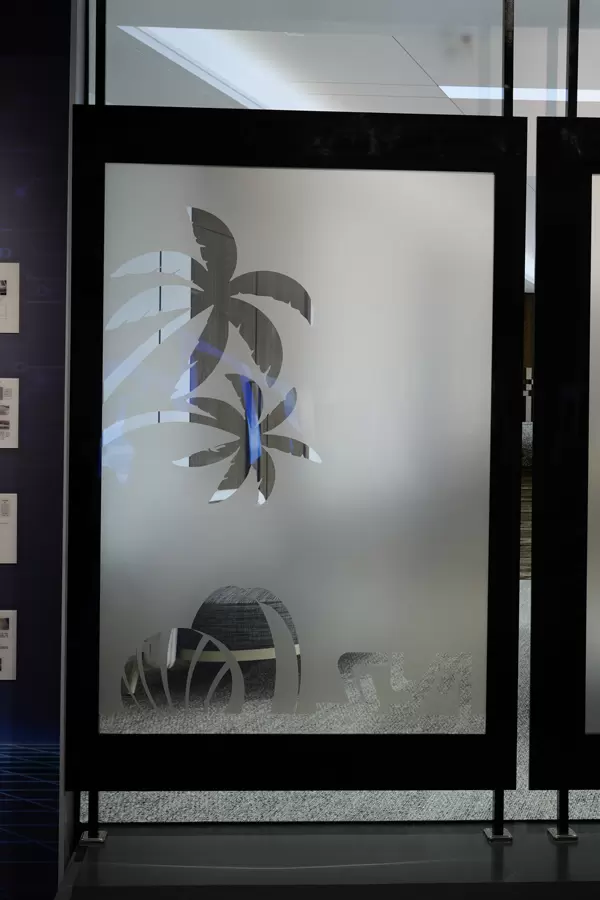
When electrical power is applied, liquid crystal molecules align in an orderly structure, allowing light to pass through the film with high transparency. When the power is removed, the liquid crystals scatter incoming light, transforming the glazing into a privacy state.
This switching process takes place almost instantly, enabling drivers and passengers to change the roof's appearance according to weather conditions or personal preference.
Rather than treating sunlight as something that must always be blocked, Automotive Smart Film provides a method of managing light dynamically.
This distinction is important because different driving situations require different lighting conditions.
For example:
· During an evening drive, maximum transparency allows passengers to enjoy the panoramic view.
· During strong midday sunlight, switching to a diffused state helps reduce glare while maintaining a bright interior.
· When the vehicle is parked, the privacy mode helps limit outside visibility into the cabin without requiring additional accessories.
· During business travel or family trips, occupants can create a quieter and more private interior environment with a single command.
The technology therefore addresses multiple requirements without changing the physical structure of the roof.
One misunderstanding frequently associated with panoramic roof technology is that every glazing solution is designed solely for thermal insulation.
In practice, different technologies perform different functions.
Low-E glass primarily reduces heat transfer.
Infrared-reflective coatings are designed to minimize solar heat gain.
UV coatings focus on limiting ultraviolet transmission.
PDLC Smart Film, on the other hand, is primarily intended to manage visible light, glare, and privacy while contributing to overall cabin comfort.
When switched to its frosted state, the film diffuses incoming sunlight rather than allowing concentrated beams to pass directly into the passenger compartment. The resulting reduction in glare makes the cabin feel more comfortable, particularly when sunlight enters from above during midday driving.
This optical diffusion also changes how passengers perceive solar radiation.
Instead of experiencing intense direct sunlight concentrated on the head and shoulders, occupants receive softer and more evenly distributed daylight throughout the cabin.
Combined with laminated automotive glass and modern solar-control glazing, Smart Glass Film becomes part of a complete roof system rather than functioning as an isolated product.
Roof Technology | Primary Function |
Low-E Glass | Reduce thermal transfer |
Solar Control Glass | Reduce solar heat gain |
UV Coating | Block ultraviolet radiation |
PDLC Smart Film | Dynamic privacy and glare management |
Smart Roof System | Integrated passenger comfort |
For automotive engineers, selecting the appropriate combination depends on vehicle positioning, climate conditions, and user expectations.
Electric vehicles introduce considerations that differ from conventional gasoline-powered cars.
Every watt of electrical energy consumed by the climate control system ultimately affects driving efficiency. Although air-conditioning systems continue becoming more efficient, reducing unnecessary heat entering the cabin remains beneficial.
Improving thermal comfort before excessive heat accumulates allows climate systems to operate more effectively.
Equally important is user experience.
Today's vehicle interiors are expected to function as multifunctional spaces.
Drivers may use the cabin for:
· Business meetings while charging.
· Short rest breaks during long-distance travel.
· Family activities between destinations.
· Mobile working environments.
Each scenario requires different levels of visibility and privacy.
A fixed roof configuration cannot satisfy every requirement equally well.
This explains why many premium vehicle manufacturers are beginning to incorporate Switchable Film, Electric Privacy Film, and intelligent glazing technologies into future vehicle platforms.
Instead of asking occupants to install aftermarket accessories, manufacturers are integrating adaptability directly into the vehicle architecture.
Introducing intelligent glazing into passenger vehicles requires considerably higher engineering standards than many people realize.
Automotive environments expose materials to continuous vibration, ultraviolet radiation, humidity changes, thermal cycling, and mechanical stress over many years of operation.
For this reason, automotive-grade PDLC Smart Film must satisfy much stricter durability requirements than decorative interior applications.
Several technical characteristics receive particular attention during product development.
Temperature stability is one of the most important.
Automotive roofs experience substantial seasonal variation. In winter, vehicles parked outdoors may remain below freezing for extended periods. During summer, roof surfaces exposed to direct sunlight may reach temperatures significantly higher than ambient air.
Many automotive-grade solutions are therefore developed to operate across wide temperature ranges, helping maintain stable switching performance under demanding environmental conditions.
Long-term optical consistency is equally important.
Vehicle owners expect the roof to maintain uniform appearance after years of repeated switching rather than developing uneven transparency or localized defects.
Manufacturers also evaluate resistance to ultraviolet exposure, vibration durability, electrical reliability, and compatibility with laminated automotive glass.
These requirements explain why automotive intelligent glazing remains a highly specialized engineering field rather than a conventional window film application.
While many newly released electric vehicles now offer intelligent panoramic roofs from the factory, retrofit demand continues to grow.
Owners who purchased vehicles equipped with conventional panoramic glass often seek methods of improving comfort without replacing the entire glazing system.
Depending on vehicle design and glazing configuration, Self Adhesive Smart Film and other retrofit solutions provide an alternative approach for upgrading existing panoramic roofs.
Compared with replacing complete glass assemblies, retrofit solutions typically involve lower installation complexity while preserving the original appearance of the vehicle.
As installation techniques continue improving, intelligent roof upgrades are becoming increasingly accessible for both individual owners and professional automotive customization companies.
This flexibility also extends the service life of existing vehicles by allowing new functional technologies to be incorporated into older platforms.
Panoramic glass roofs are unlikely to disappear from future vehicle design.
If anything, their role will become even more important as vehicle interiors continue evolving toward intelligent, digitally connected living spaces.
The discussion is gradually moving beyond simple transparency.
Manufacturers are now focusing on how glazing systems can actively participate in creating a better passenger environment.
Future roof systems are expected to integrate multiple functions within a single glazing structure, including daylight management, privacy control, glare reduction, thermal optimization, and seamless interaction with intelligent cockpit systems.
Within this broader trend, PDLC Smart Film, Automotive Smart Film, and related intelligent glazing technologies are becoming increasingly significant because they allow glass to respond to changing environments rather than remaining static throughout the vehicle's lifetime.
The objective is no longer to choose between an open panoramic view and effective sun protection.
Modern intelligent roof systems are making it possible to enjoy both.
Panoramic glass roofs have transformed vehicle design by creating brighter, more spacious, and more visually appealing interiors. At the same time, larger glass surfaces present new engineering challenges, particularly in regions where strong sunlight and high summer temperatures significantly affect cabin comfort.
Traditional sunshades can reduce direct sunlight, but they also compromise many of the advantages that made panoramic roofs attractive in the first place. As vehicle design continues moving toward intelligent, adaptive systems, dynamic light management is becoming a more practical direction than simply adding physical shading accessories.
By allowing the roof to adjust according to changing environmental conditions, PDLC Smart Film offers an effective approach to balancing openness, privacy, glare control, and passenger comfort. Working alongside modern laminated glass and advanced solar-control technologies, it supports the next generation of panoramic roof systems without sacrificing the clean, spacious interiors that drivers increasingly expect.
As electric vehicles continue to evolve, intelligent glazing is becoming more than a premium feature. It is steadily emerging as an important component of future vehicle comfort, energy management, and cabin experience.