What Engineering Factors Affect the Performance of Smart Glass Curtain Walls?
Learn more >


Glass has become one of the defining materials in modern architecture. From open-plan offices and luxury hotels to residential interiors and commercial developments, designers increasingly rely on glass to create brighter, more flexible spaces that encourage natural light while maintaining a contemporary aesthetic. At the same time, these transparent environments introduce a common challenge: how to preserve privacy without sacrificing openness.
For many years, frosted glass and traditional privacy films were the standard solutions. While they continue to serve many applications, today's projects often demand more refined finishes, better visual consistency, improved glare control, and greater design flexibility. As architectural expectations continue to evolve, materials that combine functionality with premium aesthetics are gaining wider attention.
This shift has accelerated the adoption of Precision Etched Film, a decorative glass solution developed through advanced Etching Technology. Rather than simply obscuring visibility, it creates a carefully controlled etched surface that diffuses light, softens reflections, and enhances privacy while preserving the clean appearance of modern glass architecture.
Whether used in office partitions, hotel interiors, healthcare facilities, retail environments, or contemporary homes, Precision Etched Film is increasingly recognized as a versatile material that balances privacy, daylight, and sophisticated design. Its growing popularity reflects a broader movement toward smarter, more adaptable architectural materials that improve both the appearance and functionality of interior spaces.
As architectural design continues to prioritize transparency and openness, expectations for glass materials have changed significantly.
Glass is no longer viewed simply as a partition or façade element. It has become an important contributor to spatial quality, user comfort, and brand identity.
Traditional frosted glass provides privacy, but it often lacks the flexibility required for modern commercial interiors. Designers are now expected to deliver environments that feel bright, elegant, and functional without introducing unnecessary visual barriers.
Some of the limitations commonly associated with conventional frosted glass include:
· Limited decorative flexibility
· Permanent surface treatment
· Higher replacement costs
· Reduced consistency across large installations
· Limited opportunities for customized branding
In contrast, Precision-Etched Film offers a more adaptable solution that allows architects to achieve similar privacy performance while expanding creative possibilities for interior design.
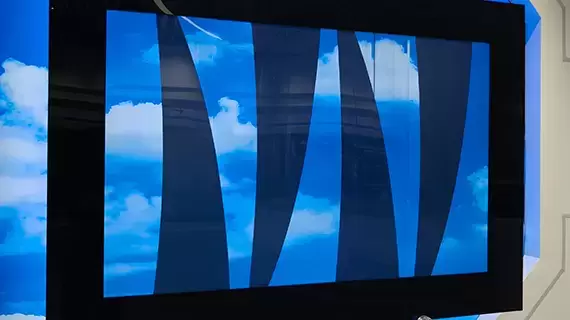
The concept of etched glass has existed for decades, traditionally produced through chemical or mechanical surface treatment.
While these methods remain effective, modern Etching Technology has introduced new manufacturing techniques capable of producing highly consistent surface finishes with greater optical performance and design precision.
Instead of relying on permanent glass processing, precision-etched films create the same elegant visual appearance through engineered surface structures applied directly to architectural glass.
This approach provides several practical advantages:
· Uniform surface texture
· Consistent visual appearance
· Improved installation flexibility
· Simplified renovation projects
· Reduced material waste
Because the film can be applied to existing glazing systems, building upgrades often become faster and more economical compared with replacing complete glass panels.
For renovation projects, this flexibility has become particularly valuable.
One of the biggest challenges in architectural design is achieving privacy without making interior spaces feel enclosed.
Traditional opaque materials effectively block visibility but also reduce the sense of openness that glass naturally provides.
Privacy Etching Film addresses this challenge by diffusing visual lines rather than completely blocking light transmission.
The result is an environment where occupants feel protected from direct visibility while natural daylight continues to move through the space.
This balanced performance makes the material suitable for applications where both privacy and openness are equally important.
Typical examples include:
· Executive offices
· Meeting rooms
· Medical consultation rooms
· Hotel bathrooms
· Reception areas
· Residential living spaces
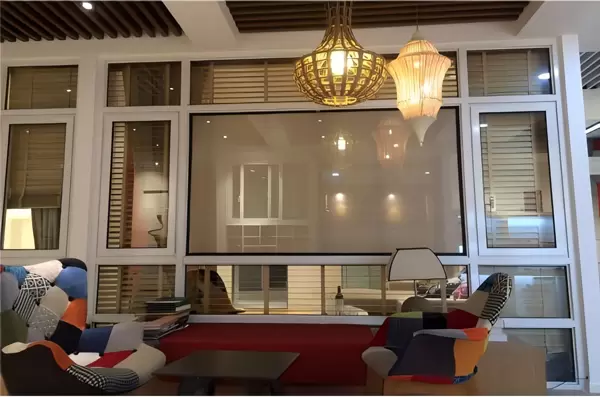
Rather than separating people with solid walls, glass partitions enhanced by etched film help maintain visual continuity while supporting functional privacy.
Workplace design has changed dramatically over the past decade.
Organizations increasingly favor collaborative layouts supported by glass partitions that maximize daylight and create a more connected working environment.
However, open offices also require selective privacy for activities such as:
· Client meetings
· Financial discussions
· Human resource interviews
· Executive decision-making
· Video conferences
Installing curtains or traditional blinds often interrupts the clean architectural language of contemporary offices.
As a result, many designers now specify Office Partition Etching Film to provide permanent privacy without introducing bulky shading systems.
The material integrates naturally into glass partition systems while maintaining the modern appearance expected in premium office environments.
In addition, decorative patterns can help reinforce corporate branding or distinguish different functional areas without compromising architectural consistency.
Glass partitions are no longer expected to remain visually neutral.
In many commercial environments, glazing contributes directly to interior identity and customer experience.
This has increased demand for Decorative Etching Film, which allows designers to introduce subtle textures, geometric patterns, gradients, or customized graphics while preserving the elegance of transparent materials.
Compared with plain frosted finishes, decorative etched surfaces create greater visual depth and sophistication.
Applications commonly include:
· Corporate branding
· Hospitality interiors
· Retail flagship stores
· Luxury residential projects
· Educational facilities
· Cultural buildings
Because decorative films can be customized, they provide architects with considerably greater creative freedom than standard frosted glass.
For many projects, decorative treatment becomes part of the architectural concept rather than merely a privacy solution.
Visual comfort has become an increasingly important consideration in modern building design.
Large glass surfaces provide abundant daylight but may also introduce excessive reflections that affect both productivity and occupant wellbeing.
Computer screens, digital displays, and interior lighting can all contribute to uncomfortable glare under certain conditions.
Anti-Glare Etching Film helps reduce these reflections by diffusing incoming light more evenly across the glass surface.
This creates several practical benefits:
· Reduced screen reflections
· Improved visual comfort
· Softer natural lighting
· Better workspace usability
· Enhanced occupant satisfaction
Rather than darkening interior spaces, the etched surface maintains brightness while minimizing harsh reflections.
This balance is especially valuable in office environments where employees spend extended periods working in front of computer monitors.
For educational institutions and healthcare facilities, improved visual comfort also contributes to a more pleasant indoor environment for students, staff, patients, and visitors.
As smart buildings become the standard rather than the exception, architectural materials are expected to do much more than perform a single function. Today's commercial developments prioritize flexibility, sustainability, occupant comfort, and long-term operational efficiency alongside visual appeal.
Within this evolving environment, Precision Etched Film has emerged as a practical architectural material that combines decorative performance, privacy enhancement, and daylight management in a single solution.
Whether used in newly constructed office towers or renovation projects, it allows architects and developers to upgrade glass surfaces without replacing existing glazing systems. This flexibility makes it especially attractive for projects seeking modern aesthetics while minimizing construction disruption.
Rather than serving as a simple privacy layer, Precision Etched Film has become part of a broader strategy to improve interior environments through thoughtful material selection.
Architects and project managers often compare Precision Etched Film with conventional frosted glass when selecting glass privacy solutions.
Although both materials reduce visibility, they differ significantly in installation flexibility, maintenance requirements, design options, and long-term project value.
For renovation and retrofit projects, Precision Etched Film often provides a more efficient solution because it minimizes installation time while offering greater creative freedom for designers.
Glass partitions are no longer limited to commercial interiors.
Modern residential architecture increasingly incorporates glass to create brighter living spaces and more flexible room layouts. Open kitchens, walk-in wardrobes, home offices, and bathroom enclosures all benefit from transparent materials that maintain a sense of openness.
However, homeowners still expect privacy where it matters.
Home Partition Etching Film offers an elegant solution by softening visibility while allowing natural daylight to pass through the glass.
Common residential applications include:
l Living room partitions
l Open kitchen dividers
l Walk-in wardrobe enclosures
l Bathroom glazing
l Home office partitions
l Balcony glass systems
Compared with permanently etched glass, decorative films provide greater flexibility and can be selected to complement different interior styles without replacing the glass itself.
Glass is no longer viewed as a neutral building component.
In hotels, retail stores, corporate headquarters, and public buildings, glazing increasingly contributes to brand identity and the overall customer experience.
This growing demand has made Decorative Etching Film an important design material.
Instead of plain frosted finishes, architects can introduce subtle textures, geometric patterns, gradients, or customized graphics that enhance the visual character of interior spaces.
Typical applications include:
l Hotel lobbies
l Corporate branding walls
l Retail flagship stores
l Restaurants
l Exhibition spaces
l Premium residential interiors
Because decorative films support customized designs, they provide significantly greater creative flexibility than standard frosted glass while preserving the clean architectural appearance that contemporary interiors demand.
Modern workplaces rely heavily on digital technology.
Large glazed façades provide excellent daylight, but excessive reflections can reduce visual comfort and negatively affect productivity.
Computer monitors, presentation displays, and glossy interior finishes all become more difficult to use when glare levels increase.
Anti-Glare Etching Film helps diffuse incoming light more evenly, reducing reflections without significantly reducing natural brightness.
This creates several practical benefits:
l Less screen glare
l Improved visual comfort
l Softer daylight distribution
l Better workspace usability
l Higher occupant satisfaction
Rather than darkening interior environments, the film maintains a bright atmosphere while making natural light more comfortable throughout the day.
As employee wellbeing becomes an increasingly important design objective, anti-glare architectural materials continue to gain attention across commercial office developments.
For architects, contractors, and purchasing managers, selecting the right supplier is just as important as selecting the material itself.
A reliable Precision Etched Film Supplier should be evaluated on more than pricing alone.
Important considerations include:
l Stable manufacturing capacity
l Proven expertise in Etching Technology
l Consistent product quality
l Custom design capabilities
l International project experience
l Strong quality management systems
l Responsive technical support
Large commercial projects often require consistent appearance across hundreds or even thousands of square meters of glass. Working with an experienced manufacturer helps ensure visual consistency, dependable delivery schedules, and long-term product reliability.
As architectural design continues to emphasize openness, sustainability, and flexible interior environments, Precision Etched Film is being specified in an increasingly wide range of projects.
Today, it is commonly used in:
l Corporate office buildings
l Commercial developments
l Hotels and resorts
l Healthcare facilities
l Educational institutions
l Luxury residential projects
l Retail environments
l Exhibition centers
l Public buildings
l Government facilities
Although each project has unique design priorities, they all seek a balance between privacy, daylight, aesthetics, and operational efficiency.
Precision Etched Film provides that balance while supporting the contemporary architectural language preferred by today's designers.
Architectural glass has evolved far beyond its traditional role as a transparent building material.
Modern projects require glass systems that contribute to occupant comfort, visual quality, privacy, and interior identity while remaining practical to install and maintain.
Through advanced Etching Technology, Precision Etched Film successfully combines these requirements into a single architectural solution.
Whether specified as Office Partition Etching Film for collaborative workplaces, Home Partition Etching Film for contemporary residences, or Decorative Etching Film for commercial interiors, it delivers a sophisticated balance between functionality and design.
For architects, glass processors, interior designers, and project developers, partnering with an experienced Precision Etched Film manufacturer provides access to reliable products, consistent quality, and flexible solutions that meet the demands of modern architecture while supporting long-term project success.