Step-by-Step Process for Smart Film OEM and ODM Customization in China
Learn more >


Glass has always been one of the most important materials in modern architecture. From commercial office towers and airports to luxury residences and healthcare facilities, large glazed areas help create brighter interiors, improve aesthetics, and strengthen the connection between indoor and outdoor environments.
However, traditional glass comes with a long-standing challenge. While it allows natural daylight to enter a building, it also permits solar heat gain, glare, and ultraviolet radiation. As buildings incorporate larger glass facades, these issues become more difficult to manage. Excessive sunlight can increase cooling loads, reduce occupant comfort, and increase energy consumption.
For decades, architects and building owners have relied on tinted glass, blinds, curtains, and solar-control coatings to address these concerns. Although effective to a certain extent, these solutions are static. They cannot adapt to changing weather conditions, seasonal variations, or different user preferences throughout the day.
This limitation has accelerated interest in smart glazing technologies. Among them, Electrochromic Film has emerged as one of the most promising solutions for dynamic light and solar control. Unlike conventional shading systems, Electrochromic Smart Film allows glass surfaces to adjust their tint level in response to electrical signals, creating a more responsive and energy-efficient building envelope.
As green building standards become more demanding and smart building technologies continue to evolve, Electrochromic Window Film is increasingly viewed as a practical solution for balancing daylight access, occupant comfort, and energy performance.
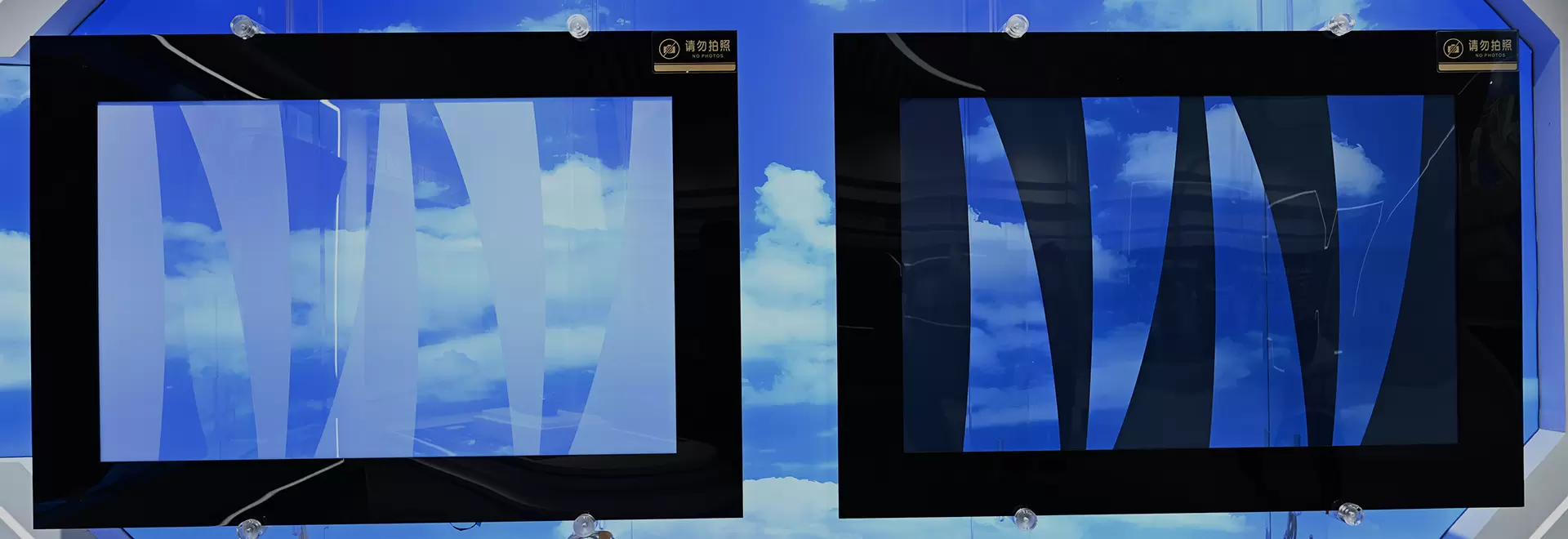
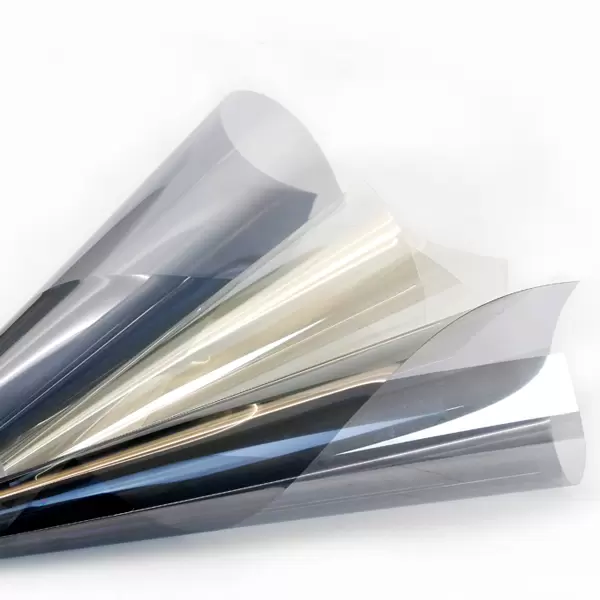
Electrochromic Film is a functional smart film capable of changing its light transmission characteristics when a low electrical voltage is applied. The technology enables glass surfaces to gradually transition between clear and tinted states, allowing users to regulate sunlight, glare, and solar heat entering a space.
Unlike traditional tinted glass, which remains permanently dark, Electrochromic Film offers dynamic control. Users can adjust transparency levels according to environmental conditions or operational requirements.
The technology is commonly integrated into:
· Smart Building Glass systems
· Commercial curtain walls
· Office partitions
· Residential windows
· Skylights and atriums
· Automotive glazing systems
The ability to actively manage solar exposure makes Electrochromic Glass a valuable component in energy-conscious building design.
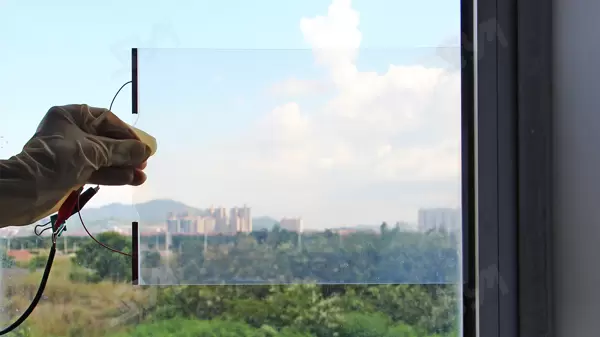
Electrochromic Window Film offers several characteristics that distinguish it from conventional glazing solutions:
Feature | Benefit |
Dynamic Tint Adjustment | Variable control of light transmission |
Low Power Consumption | Minimal energy required for operation |
UV Protection | Reduces ultraviolet exposure |
Solar Heat Control | Helps lower cooling demand |
Glare Reduction | Improves visual comfort |
State Retention | Maintains tint level without continuous power |
One of the most notable advantages is that power is only required during the switching process. This characteristic contributes significantly to the appeal of Energy Saving Window Film solutions in modern buildings.
The operation of Electrochromic Film is based on electrochemical reactions occurring within multiple functional layers.
Although the structure may vary among manufacturers, most systems include:
· Conductive layers
· Electrochromic layers
· Ion storage layers
· Electrolyte layers
When voltage is applied, ions move between the active layers. This ion migration changes the optical properties of the film, causing the glass to darken.
When voltage polarity is reversed, ions return to their original position, restoring transparency.
Stage | Film Condition |
No Voltage Applied | Clear State |
Voltage Applied | Ion Migration Begins |
Darkening Process | Tint Level Increases |
Reverse Voltage Applied | Ions Return |
Transparent State Restored | Clear Visibility |
Unlike mechanical shading systems, Electrochromic Smart Film contains no moving parts. This reduces wear and maintenance concerns while providing smoother transitions between transparency levels.
A major advantage of Dynamic Tint Film technology is the ability to provide intermediate tint levels.
Instead of simply switching between two states, users can select varying degrees of darkness depending on:
· Solar intensity
· Building orientation
· Occupancy patterns
· Seasonal conditions
· User preference
This flexibility enables more precise daylight management than conventional shading systems.
One common misconception is that smart glass requires continuous electricity.
In reality, Electrochromic Film typically consumes power only during the switching process.
Once the desired tint level is reached:
· No continuous power is required
· Tint state remains stable
· Operating costs remain low
This characteristic contributes to the growing adoption of Switchable Glass Technology in sustainable construction projects.
The growing popularity of Electrochromic Window Film is largely driven by its ability to address multiple building performance challenges simultaneously.
Solar heat gain remains one of the primary contributors to cooling loads in commercial buildings.
Large glazed facades can introduce significant amounts of solar energy into interior spaces, forcing HVAC systems to work harder.
By dynamically adjusting tint levels, Electrochromic Film helps reduce solar heat transmission during peak sunlight hours.
This can contribute to:
· Reduced cooling demand
· Lower HVAC operating costs
· Improved energy performance
· Better thermal comfort
For office buildings and commercial developments pursuing energy efficiency targets, these benefits can be substantial.
Traditional blinds block sunlight after it has already entered the building.
Electrochromic Glass works differently.
Limiting solar energy at the glazing level, it helps reduce heat accumulation before it affects interior spaces.
This is particularly beneficial in:
· South-facing facades
· Glass curtain wall systems
· Skylights
· Atriums
Ultraviolet radiation contributes to:
· Furniture fading
· Flooring deterioration
· Artwork damage
· Material aging
Electrochromic Smart Film helps reduce UV penetration while maintaining visibility and natural daylight.
Glare is one of the most common complaints in office environments.
Excessive brightness can impact:
· Computer screen visibility
· Employee productivity
· Visual comfort
· Occupant satisfaction
Dynamic tint control allows building occupants to manage glare without sacrificing outdoor views.
Although Electrochromic Film may involve a higher initial investment than traditional shading solutions, many building owners evaluate performance over the entire lifecycle of the building.
Potential long-term benefits include:
· Reduced HVAC energy costs
· Lower shading system maintenance
· Improved occupant comfort
· Increased building value
These factors contribute to the growing interest in Smart Building Glass technologies among developers and property owners.
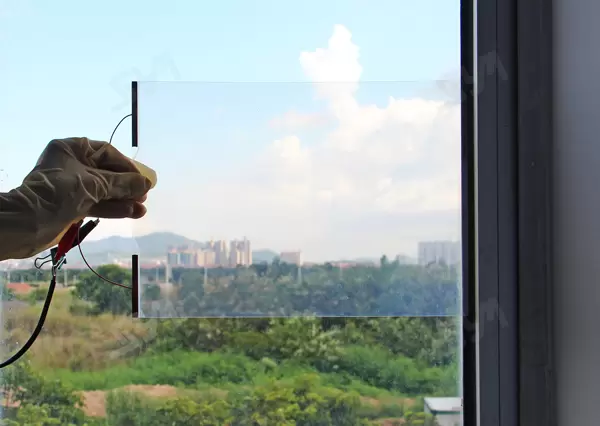
Electrochromic Film and PDLC Film are often grouped under the category of smart glass technologies. However, they serve different purposes.
Comparison Factor | Electrochromic Film | PDLC Smart Film |
Primary Function | Solar Control | Privacy Control |
Transparency Adjustment | Gradual Tinting | Transparent/Opaque |
Energy Efficiency | High | Moderate |
Power Requirement | Continuous in Tinting | Continuous in Clear State |
Glare Control | Excellent | Limited |
Heat Reduction | Excellent | Minimal |
Privacy Performance | Moderate | Excellent |
Typical Applications | Facades, Windows, Skylights | Meeting Rooms, Partitions |
PDLC Film is commonly selected when privacy is the primary concern.
Electrochromic Film is typically chosen when solar control, energy savings, and occupant comfort are the primary objectives.
Many modern smart buildings use both technologies in different areas depending on functional requirements.
The versatility of Electrochromic Film has expanded its adoption across multiple industries.
Smart buildings increasingly integrate dynamic systems that respond to environmental conditions.
Electrochromic Window Film complements this approach by allowing building facades to automatically adjust solar transmission levels.
The result is a more responsive building envelope capable of improving both comfort and energy efficiency.
Office environments benefit significantly from daylight access.
However, uncontrolled sunlight often causes glare and thermal discomfort.
Electrochromic Smart Film enables building managers to balance:
· Daylight utilization
· Occupant comfort
· Energy performance
without relying solely on mechanical shading systems.
Hotels place strong emphasis on guest experience.
Large windows enhance views and natural lighting but can also create overheating and glare issues.
Electrochromic Glass provides guests with greater environmental control while supporting hotel energy management goals.
Luxury homes and high-end apartments increasingly incorporate smart home technologies.
Electrochromic Film for residential windows offers:
· Improved privacy
· Solar control
· UV protection
· Enhanced comfort
while preserving architectural aesthetics.
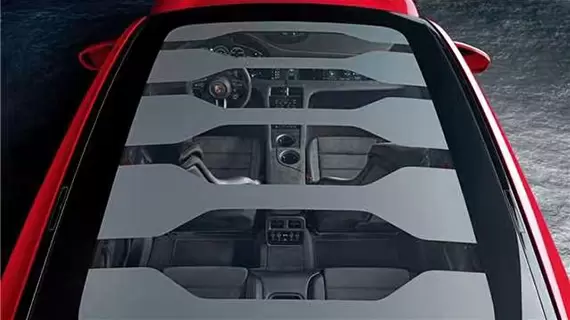
The automotive industry has become one of the fastest-growing markets for electrochromic technology.
Applications include:
· Panoramic sunroofs
· Side windows
· Rear windows
As electric vehicles prioritize energy efficiency, reducing solar heat gain can help lower air conditioning demand and extend battery range.
Glass facades are increasingly common in contemporary architecture.
Electrochromic Window Film provides an alternative to fixed solar control strategies by allowing facades to adapt throughout the day.
This dynamic capability is particularly valuable in regions with intense solar exposure.
Sustainability objectives are becoming increasingly influential in building design and operation.
Building owners face growing pressure to reduce energy consumption, lower carbon emissions, and improve environmental performance.
Electrochromic Film aligns with these goals in several ways.
Certification systems such as:
· LEED
· BREEAM
· WELL Building Standard
encourage strategies that improve energy performance and occupant comfort.
Dynamic glazing technologies can contribute to these objectives by optimizing daylight and solar heat management.
Building energy consumption remains a major contributor to global carbon emissions.
Cooling systems account for a significant share of electricity use in many regions.
By reducing solar heat gain, Electrochromic Smart Film can help lower cooling loads and support energy reduction initiatives.
Net-zero and low-carbon buildings increasingly rely on integrated technologies rather than single solutions.
Electrochromic Glass supports carbon reduction efforts by decreasing dependence on mechanical cooling systems and improving overall building efficiency.
Modern building management systems are becoming more sophisticated.
Electrochromic Film can be integrated with:
· Light sensors
· Occupancy systems
· Weather monitoring systems
· Building automation platforms
This integration allows glazing performance to respond automatically to changing environmental conditions.
Not all Electrochromic Film products offer the same performance characteristics.
Several factors should be evaluated before specifying a system.
Visible light transmission determines how much natural daylight passes through the glass.
Projects should balance daylight requirements with solar control objectives.
Switching time can vary depending on:
· Glass size
· Film design
· Environmental conditions
Larger glazing systems typically require longer transition periods.
Long-term reliability is essential for commercial projects.
Evaluation criteria should include:
· Cycle testing
· Environmental resistance
· UV stability
· Service life expectations
Different products provide varying levels of UV protection.
Projects involving museums, retail spaces, or premium interiors may require higher UV-blocking performance.
Electrochromic Window Film can be incorporated through different installation approaches.
Considerations include:
· New construction
· Retrofit projects
· Curtain wall integration
· Interior glazing applications
Supplier evaluation should include:
· Production experience
· Quality control systems
· Technical support
· Project references
For large-scale projects, manufacturer capability often becomes as important as product specifications.
Electrochromic Film has evolved from a niche smart glass technology into a practical solution for modern buildings and advanced transportation systems. Its ability to dynamically control sunlight, reduce solar heat gain, improve occupant comfort, and support energy efficiency objectives makes it increasingly relevant in contemporary architecture.
Unlike traditional shading solutions, Electrochromic Smart Film provides adaptive performance that responds to changing environmental conditions while maintaining unobstructed views and architectural aesthetics. This capability is particularly valuable in commercial buildings, hotels, healthcare facilities, residential developments, and electric vehicles, where comfort and energy management are equally important.
As governments strengthen energy regulations and developers pursue higher sustainability standards, demand for Electrochromic Window Film, Smart Building Glass, and other dynamic glazing technologies is expected to continue growing. With advancements in manufacturing, automation integration, and smart building systems, Electrochromic Film is positioned to play a significant role in the future of energy-efficient architecture and intelligent glass applications.