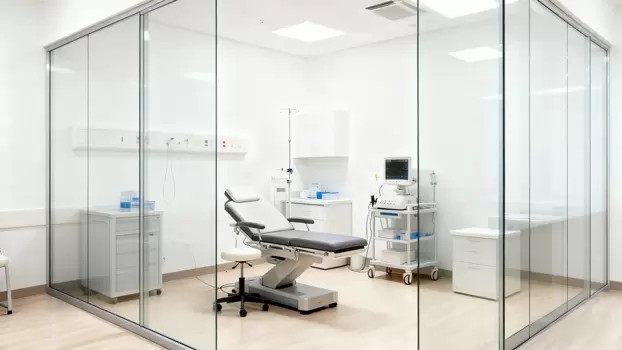
Innovation Never Stops: Turning Technical "Pain Points" into Competitive "Highlights"
Learn more >


Privacy and natural daylight are often competing priorities in residential design. Floor-to-ceiling windows bring outdoor views into living rooms, glass partitions make interiors feel more spacious, and skylights help brighten areas that receive limited daylight. Yet the same transparent surfaces can expose private rooms to neighbors or passersby. Curtains and blinds offer a familiar solution, but they also take up space and can interrupt the clean appearance of modern interiors.
Smart glass for home applications provides another way to manage this balance. Using switchable technology, suitable glass can change between a transparent state and a translucent state, allowing occupants to adjust visual privacy when needed. The glass can remain transparent during the day and switch to a privacy state for bathing, resting, working or other activities.
For homeowners, architects and interior designers, the main question is not simply whether smart glass can provide privacy. Product selection also needs to account for natural light, room layout, glass construction, electrical connections and daily use. These factors determine how well switchable smart glass fits into a residential project.
Natural light influences how a home looks and feels. It helps rooms appear more open, reduces dependence on artificial lighting during daylight hours and maintains a visual connection with the surrounding environment. Large windows and glass partitions are therefore common features in contemporary apartments, villas and renovated homes.
The problem appears when a room needs to serve different purposes throughout the day.
A living room may benefit from unobstructed views in the morning but require greater privacy in the evening. A bathroom needs visual separation during use, while a bedroom may need to remain open and bright at other times. A study room with glass partitions can feel connected to the rest of the home, yet still require privacy for calls or focused work.
Traditional window coverings solve part of the problem, but they introduce other considerations. Curtains can cover a large portion of the window, while blinds require space for installation and regular cleaning. In homes with unusual window shapes or large glazed areas, conventional coverings may also be difficult to fit neatly.
Privacy glass for home applications offers a different approach by changing the optical state of the glass itself. Rather than relying entirely on a separate fabric or blind, switchable glass allows privacy to be adjusted through an electrical control system.
The practical objective is to preserve the benefits of glazing while giving occupants greater control over when the interior is visible from outside or from adjacent rooms.
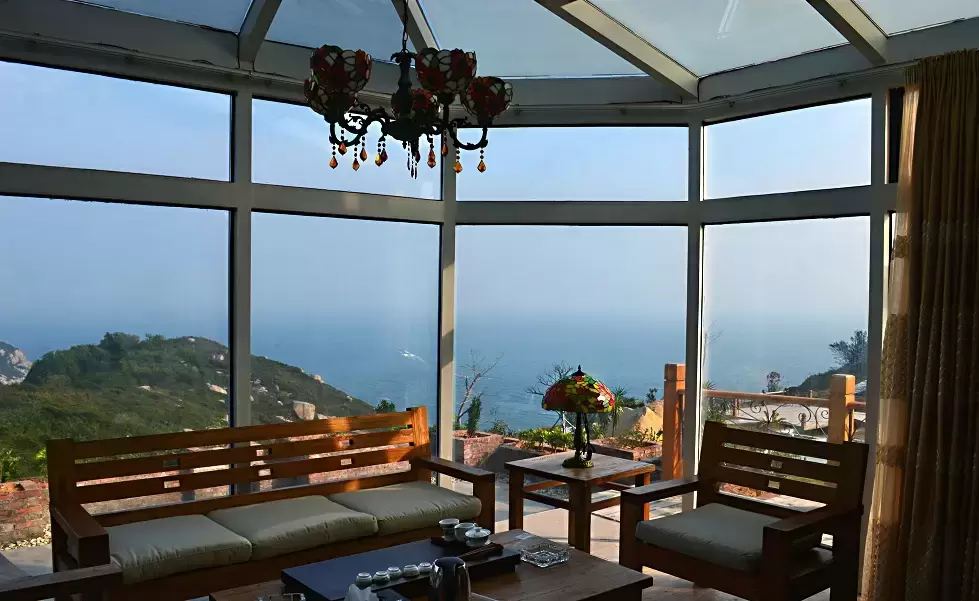
Most PDLC smart glass systems use a polymer dispersed liquid crystal layer within a suitable glass construction. The liquid crystal material changes its optical behavior when an electrical field is applied.
When an electrical voltage is applied, the liquid crystal molecules align in a way that allows light to pass through the material more directly. The glass appears transparent, although the exact clarity depends on the product construction and specifications.
When the power is turned off, the liquid crystals become randomly oriented and scatter incoming light. The glass takes on a translucent or frosted appearance, reducing direct visibility through the panel.
The transition allows a room to change from an open visual environment to a more private one without moving curtains or blinds. The actual switching time depends on the product, electrical configuration and operating conditions.
It is important to distinguish visual privacy from complete light blockage. In its privacy state, PDLC glass typically scatters light rather than turning into an opaque solid barrier. Bright shapes and light may still be visible through the panel, even when clear details are obscured. Anyone requiring complete darkness or a specific level of light transmission should check the product's measured optical specifications.
The glass structure also matters. Laminated smart glass incorporates the functional film within a glass assembly, while self-adhesive smart film is designed for application to a suitable existing glass surface. The two options have different installation requirements and should be assessed according to the project.
The suitability of smart glass depends on how each room is used, the direction of sightlines and the amount of natural light available. A product that works well for an interior partition may need a different specification when used in a skylight or large exterior window.
Large windows can make a living room feel more connected to the outdoors. In apartments facing neighboring buildings or homes close to public walkways, however, the same windows may expose the interior to unwanted views.
Smart glass windows provide an adjustable option. During periods when outdoor views are important, the glass can remain transparent. When greater privacy is required, occupants can switch the glass to its translucent state.
Window orientation and surrounding buildings should be considered before selecting a solution. A window facing a private garden presents different privacy requirements from one directly opposite another residential building. The control arrangement should reflect these differences rather than treating every window in the home in the same way.
Bathrooms are among the most straightforward residential applications for switchable privacy glass. Glass partitions help maintain a clean, open appearance, but transparent panels are not suitable for every moment of use.
Switchable glass allows the partition to change its appearance according to the occupants' needs. It can be particularly useful in bathrooms where a separate frosted panel or curtain would interrupt the intended interior design.
The selected product must still be appropriate for the bathroom environment. Glass safety requirements, moisture exposure, electrical protection, sealing and installation details need to be addressed as part of the complete system. Smart glass should not be assumed suitable for every shower enclosure simply because it provides a privacy function.
Bedrooms often combine the need for daylight with a preference for privacy. Bay windows, internal glass partitions and glazed closet doors can all benefit from adjustable visual separation.
A walk-in closet connected to a bedroom is one example. Transparent glass may suit the overall design, while a translucent state can conceal the interior when the space is not in use. Similar arrangements can be considered for dressing areas and other private sections of the home.
For these applications, the size and placement of the active glass area should be planned alongside the surrounding frame and hardware. Electrical connections and visible edges can affect the finished appearance, so they should be addressed before the glass is ordered.
Glass partitions are often used to separate a study area from a living room without making the home feel divided into small enclosed spaces. The challenge is balancing visual openness with privacy during meetings, calls or concentrated work.
Switchable smart glass can provide an adjustable boundary between the study and the rest of the home. When privacy is not required, the partition can remain transparent. During a call or a period of focused work, the translucent state can reduce direct visibility.
The electrical control should be easy to reach and appropriate for the room's use. In a home office used by several family members, a simple wall switch may be sufficient. More advanced controls should only be specified when the selected product and control system support them.
Smart glass does not make curtains and blinds unnecessary in every home. The right choice depends on whether the project prioritizes visual privacy, room darkening, solar control, decorative style or a combination of these functions.
Consideration | Smart Glass or Smart Film | Curtains and Blinds |
Privacy adjustment | Switches between specified optical states | Adjusted by opening, closing or tilting |
Natural daylight | Light can still pass through in the translucent state | Depends on fabric, slat position and coverage |
Interior appearance | Can maintain a clean glass surface without conventional coverings | Adds a separate window treatment |
Cleaning | Requires care suited to the glass and electrical system | Fabric and slats may collect dust and need regular cleaning |
Room darkening | Not guaranteed by the privacy state | Blackout products can provide stronger light reduction |
Installation | Requires compatible glass or film and electrical planning | Requires suitable mounting points and window treatment hardware |
Project cost | Depends on glass construction, controls and installation | Depends on the covering material and mounting system |
The main difference is how privacy is managed. Curtains and blinds physically cover the window, while switchable smart glass changes the optical state of the glazed surface.
For homeowners who want a minimalist interior, reducing the need for conventional window coverings may be an important design consideration. However, smart glass should not be treated as a direct replacement for blackout curtains when a bedroom requires darkness for sleeping. The privacy state is intended to reduce visibility, not necessarily to eliminate all incoming light.
A combined approach may also be appropriate. Some rooms may use smart glass for privacy while retaining separate shading for strong sunlight or nighttime light control.
The answer depends on the product and its optical specifications. Smart glass is designed to manage visibility by changing how light passes through the functional layer. It does not automatically eliminate daylight when switched to the privacy state.
In the transparent state, the glass allows occupants to maintain views through the window, subject to the optical performance of the selected assembly. In the translucent state, incoming light is scattered, reducing clear visibility while still allowing some daylight into the room.
The amount of light transmitted varies with the film, glass construction and other components in the finished product. Buyers should review measured visible light transmittance and haze data when these values are important to a project.
Room layout also affects the result. A large window facing an open area may continue to provide useful daylight in the translucent state, while a smaller window in a narrow space may deliver less illumination. Interior wall colors, ceiling height and the position of nearby buildings influence how daylight spreads through the room.
Smart glass should therefore be selected as part of the overall daylighting plan. If the project needs both privacy and strong daylight performance, the architect or designer should evaluate the actual glass configuration rather than relying on the general label of smart glass.
For residential projects, choosing the right product format is as important as selecting the switching function. The two common approaches address different construction conditions.
Laminated smart glass for new projects
Laminated smart glass is particularly relevant when the glass assembly can be specified during new construction or a major renovation. The functional film is integrated into the glass structure, allowing the glazing to be planned as part of the overall door, window or partition system.
This option is worth considering for new apartments, custom villas, new bathroom partitions and newly built sunrooms. Glass dimensions, edge treatment, electrical connection positions and frame details can be coordinated before manufacturing.
The main advantage is the opportunity to plan the complete assembly from the beginning. The final performance still depends on the selected glass construction and manufacturing quality, so product specifications need to be confirmed before approval.
Self-adhesive smart film for existing glass
Self-adhesive smart film is intended for suitable existing glass surfaces. It can be considered during home renovation when removing and replacing the original glass would create additional work.
Before installation, the existing glass must be assessed for condition, surface quality, dimensions and compatibility with the film. Electrical wiring and connection access also need to be planned. The installation surface should be prepared according to the manufacturer's instructions to avoid contamination or defects.
A retrofit approach may reduce the need to replace the entire glass assembly, but it is not suitable for every window or glass type. Curved surfaces, damaged glass, difficult edges and inaccessible electrical connections may require additional evaluation.
The choice between laminated smart glass and self-adhesive smart film should be based on the construction stage, existing glazing and intended use rather than price alone.
A successful installation begins with technical details that are easy to overlook during interior design planning. Before placing an order, homeowners and project teams should confirm several points.
Glass dimensions and construction
Measure the opening and establish the required glass dimensions, thickness and frame configuration. Large panels, shaped windows and glass doors may require project-specific review before production.
Electrical connections
PDLC smart glass requires an appropriate power supply and electrical connections. The position of cables, connection points and controls should be planned before walls, ceilings and frames are finished. Power supply requirements must be confirmed against the selected product rather than assumed to be identical across all smart glass systems.
Privacy expectations
A translucent glass surface reduces direct visibility but may not hide every shadow or outline under all lighting conditions. Sample testing in a representative environment can help establish whether the privacy level meets the occupants' expectations.
Installation environment
Bathrooms, skylights and exterior-facing windows present different environmental conditions. Moisture, temperature variation, sunlight exposure and accessibility for maintenance should be considered according to the product's approved use.
Control arrangements
Decide whether the glass will be operated by a wall switch or another supported control method. If integration with a whole-home smart system is required, compatibility should be confirmed with the film supplier and control-system provider before installation.
Maintenance and after-sales support
Confirm cleaning instructions, electrical inspection requirements and the process for addressing faults. The complete installation should be reviewed with the supplier or qualified installer so that the glass, power supply and control system operate as intended.
These checks are particularly important for customized residential projects. Confirming specifications before manufacturing can reduce on-site adjustments and help ensure that the finished installation matches the design.
The One Shenzhen Bay project in Shenzhen provides an example of laminated smart glass being applied in a residential setting. According to the project information provided by Zhuhai Shuifa Singyes New Materials Technology Co., Ltd., laminated smart glass was introduced into the residential environment to support changes between transparent and privacy states.
In the transparent state, the glass maintains views of the surrounding seascape and city skyline, helping preserve the visual openness of the interior. When switched to the translucent state, it reduces direct visibility and creates a greater sense of privacy.
The application illustrates a practical consideration in luxury residential design: glass does not always need to remain permanently transparent or permanently concealed. An adjustable optical state allows the same surface to serve different needs as occupants move between viewing, resting and private activities.
For projects with similar requirements, the relevant factors include the selected glass structure, panel dimensions, installation arrangement, electrical connections and expected operating conditions. These details should be evaluated for the specific building and product rather than assuming that every residential installation will perform identically.
The project also highlights the importance of integrating smart glass into the wider interior design plan. The position of each panel, its relationship to surrounding spaces and the way occupants control the glass all influence the usefulness of the finished solution.
Smart glass for home applications offers a practical option for households that want to maintain natural light while gaining more control over visual privacy. It can be considered for living room windows, bathroom partitions, bedrooms, walk-in closets, study areas and selected architectural features.
The best results come from matching the product to the room rather than treating all glass surfaces alike. Some areas may benefit from laminated smart glass specified during construction, while suitable existing windows may be candidates for self-adhesive smart film. Large or specially shaped panels need additional attention to dimensions, electrical connections and processing requirements.
Optical specifications also matter. A translucent privacy state can reduce visibility while allowing light to enter, but it should not automatically be regarded as blackout glazing or a complete solar-control solution. Those requirements need to be addressed separately through the appropriate product specification and overall building design.
Zhuhai Shuifa Singyes New Materials Technology Co., Ltd. provides smart film and smart glass options for different residential applications. Homeowners, architects and project developers can review the company's Smart Home solutions and laminated smart glass products when planning a new installation or renovation.
For product details, visit the Smart Home application page: https://www.sympdlc.com/smart-home/
For laminated smart glass specifications, visit: https://www.sympdlc.com/smart-glass/laminated-smart-glass.html