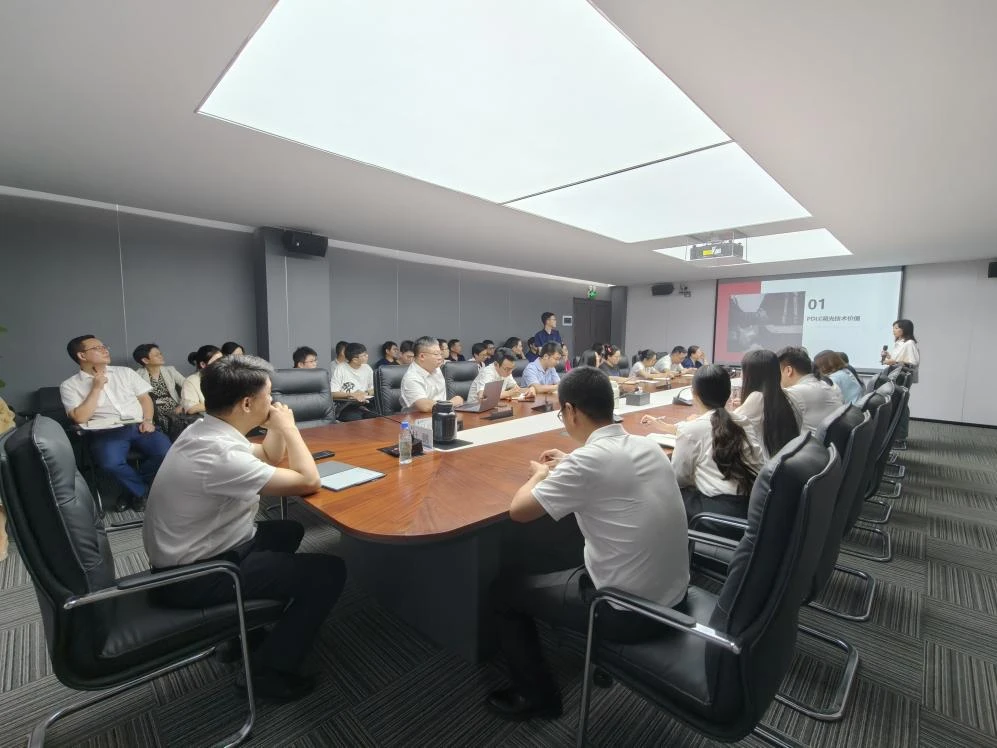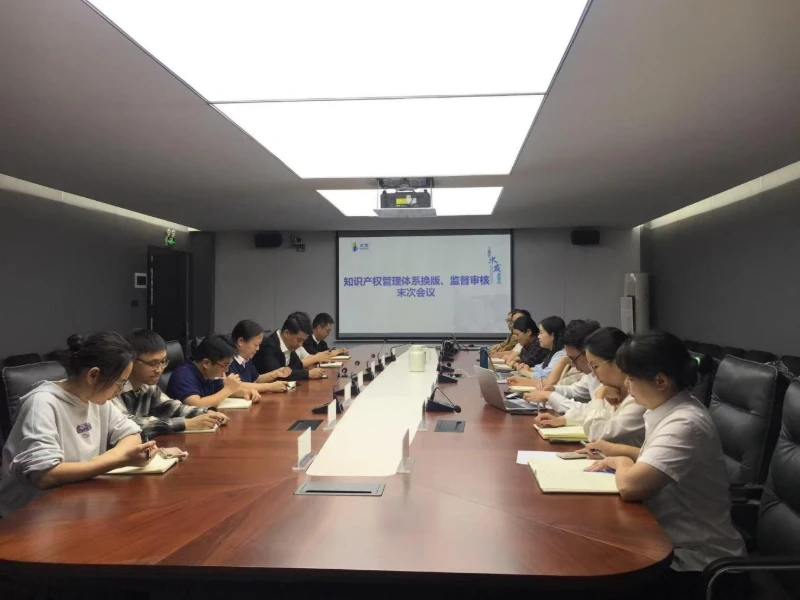
Shuifa Singyes New Materials Launches Targeted Training to Drive Talent Upgrades and Empower Business Advancement
Learn more >


Moving automotive smart film from a development sample to a production-ready component requires more than confirming that the film switches between its intended optical states. In an automotive program, the selected material must match the approved glazing design, meet defined performance requirements and remain consistent across repeated production batches. The supplier must also be able to manage engineering changes without creating uncertainty for the glass manufacturer or vehicle assembly team.
These requirements become more demanding when one smart film specification is used across several vehicle models or glazing configurations. Differences in glass dimensions, processing conditions, electrical connections and installation methods can affect the final result, even when the same basic film technology is used.
For a product manager, the central task is to turn a promising prototype into a controlled product definition that engineering, manufacturing, quality and procurement teams can work with. That means establishing clear specifications, resolving technical questions before production release and maintaining traceability as orders increase.
Shuifa Singyes New Materials provides automotive smart film solutions for applications including sunroofs, side windows and rear windows. Preparing such products for large-scale automotive production requires coordination between material development, glass processing, electrical integration and vehicle-specific validation. The exact qualification requirements depend on the customer program and the intended glazing application.
One of the most common sources of difficulty during production preparation is an incomplete product specification. A development sample may satisfy the immediate project requirement, yet important details remain undecided, including dimensional tolerances, connection positions, optical acceptance criteria or the conditions under which the film will be processed.
If these details are left open until production orders begin, different teams may work from different assumptions. The glass processor may use one drawing revision while the film supplier prepares material against another. Procurement may also approve a specification that does not fully reflect the engineering team's latest requirements.
A product manager should establish a controlled specification before authorizing production release. The document needs to describe the actual product supplied rather than relying on a general product name or an informal sample approval.
Specification area | Information to confirm before release | Why it matters |
Film dimensions | Length, width, shape and dimensional tolerances | Prevents fit problems during glass processing |
Active area | Defined switching area and permitted inactive margins | Aligns optical requirements with the finished glazing |
Connection design | Electrode position, connection orientation and cable interface requirements | Reduces assembly conflicts and connection errors |
Optical performance | Required appearance in each switching state and applicable acceptance limits | Establishes consistent inspection criteria |
Material construction | Approved film configuration and relevant processing requirements | Prevents unintended substitutions |
Packaging and identification | Part number, revision, batch identification and handling instructions | Supports receiving inspection and traceability |
Application conditions | Intended glass structure and relevant environmental requirements | Keeps approval tied to the correct vehicle application |
The approved specification should identify the applicable drawing revision and the person or team responsible for authorizing changes. Where a requirement has not yet been confirmed, it should remain an open engineering item rather than being treated as an assumed production condition.
This approach is particularly important when a customer uses the same automotive smart film platform across several models. A common platform can simplify procurement and engineering coordination, but model-specific dimensions, connections and acceptance criteria still need to be controlled separately.
A prototype is useful only when it represents the configuration that the customer intends to manufacture. If the sample uses different materials, connection arrangements or processing conditions from the planned production version, approval of that sample may provide limited evidence of production readiness.
The development team should therefore define what the prototype is intended to verify. Early samples may be used to confirm dimensions, optical appearance or basic switching behavior. Later samples should address the complete application, including the selected glass structure, electrical connections and relevant processing steps.
The distinction between a material sample and a finished glazing sample is important. A film tested on a flat laboratory surface does not automatically demonstrate the performance of the same film after it has been incorporated into curved automotive glass. The surrounding materials and processing conditions may introduce additional requirements.
A practical sample review can be divided into three stages.
Material confirmation
The customer and supplier confirm the film specification, dimensions, identification and basic functional requirements. Any deviations from the intended production specification should be documented.
Application verification
The film is evaluated in the intended glazing configuration. The review covers fit, active area, connection accessibility, visual appearance and compatibility with the relevant processing method.
Production-intent approval
The customer evaluates a sample made using the agreed materials, design revision and representative processing conditions. Outstanding issues are recorded, assigned and resolved before the applicable production release.
Not every automotive program uses the same approval procedure. The purpose of these stages is to ensure that the evidence supporting approval matches the actual product and manufacturing route.
A signed sample approval should also identify its scope. Approval for one glass shape, vehicle model or connection configuration should not automatically authorize other variants unless the customer has explicitly defined them as equivalent.

A development sample can demonstrate that a design is feasible. Large-scale automotive production requires evidence that the result can be reproduced within agreed limits.
For automotive smart film, consistency needs to be considered across the film itself, the processed glazing and the completed electrical system. Relevant characteristics may include dimensions, active-area alignment, optical appearance, switching response and the condition of connection points. The specific characteristics requiring inspection should be selected according to the product specification and the customer's quality requirements.
The product manager should work with engineering and quality teams to distinguish critical characteristics from routine inspection items. A characteristic that directly affects installation or switching performance may require tighter control than a feature with little influence on the finished product.
A production control plan should define the inspection method, acceptance criteria, sampling approach and response to nonconforming results. These arrangements should be established before volume increases make it harder to isolate the source of a problem.
For example, if a customer reports inconsistent appearance across several glazing units, the investigation should not begin with an assumption that the film material is defective. The team needs to compare the affected parts against their batch records, drawing revisions, processing conditions and inspection results. The issue may originate in the film, the glass processing stage, the electrical connection or the inspection method itself.
Repeatability is therefore a system-level requirement. It depends on controlled inputs, consistent processing, suitable inspection methods and clear communication between the organizations involved.
Automotive smart film production rarely operates in isolation. The film may pass through several stages involving material preparation, cutting, identification, packaging, delivery, glass processing and final assembly. The exact route depends on whether the customer purchases film for further processing or receives it as part of a more complete glazing solution.
Each handover introduces potential risks. A dimension may be interpreted differently, packaging may not protect the material adequately, or a change in delivery sequence may disrupt the customer's planned processing schedule.
The product manager should map the supply chain before volume production begins. This does not require an unnecessarily complicated workflow. It requires a clear understanding of who owns each stage, what information must accompany the product and which conditions must be met before the next organization accepts it.
Supply chain stage | Main control point | Typical issue to prevent |
Material preparation | Approved material specification and batch identification | Unapproved material substitution |
Cutting and conversion | Drawing revision, dimensions and edge requirements | Parts produced to an outdated drawing |
Inspection and packing | Defined acceptance criteria and packaging requirements | Damage or unidentified material during handling |
Delivery to the glass processor | Part identification, quantity and delivery documentation | Receiving errors and production delays |
Glass processing | Approved process conditions and assembly requirements | Changes that affect the finished glazing |
Customer acceptance | Agreed inspection records and nonconformance procedure | Disputes over responsibility for defects |
Production planning should also account for forecast accuracy, order lead times, material availability and changes in the customer's vehicle schedule. A supplier may have sufficient capacity for an initial order but face different demands when several vehicle models enter production at the same time.
For this reason, production readiness includes both technical capability and operational coordination. The supplier and customer should agree on forecast updates, order confirmation procedures, delivery expectations and the process for communicating supply risks.
Large-scale automotive production is not simply a matter of increasing output as quickly as possible. Capacity must be matched to the customer's expected demand without compromising product control.
A product manager should review the demand profile with production planning and procurement. Relevant factors include forecast quantities, order frequency, product variants, material lead times and the time required for inspection and release. If several film sizes or connection configurations are involved, total volume alone may not provide a reliable picture of production complexity.
The team should also distinguish between forecast demand and confirmed orders. Forecasts support material and capacity planning, while confirmed orders provide a more immediate basis for scheduling. Changes between the two need to be communicated early enough for the supplier to respond.
A practical capacity review should address three questions:
● Can the required quantity be produced within the agreed delivery window?
● Can the production and inspection process maintain the approved quality requirements at the planned output level?
● Can the supplier identify and manage constraints before they affect customer deliveries?
The answers should be based on actual process capability, available resources and documented planning assumptions. A general statement that a supplier has sufficient production capacity does not establish that every product variant can be delivered at the required rate.
Where demand is expected to increase in stages, a controlled ramp-up can provide useful evidence. Output, inspection results, delivery performance and recurring defects can be reviewed at defined intervals. The production plan can then be adjusted using observed results rather than relying entirely on initial estimates.
Vehicle programs often evolve during development. Glass dimensions may change, a connector may move to accommodate a revised assembly layout, or the customer may request a different active area. Even a seemingly minor change can affect tooling, material usage, inspection requirements or the compatibility of the finished glazing.
The risk is not limited to the technical change itself. Problems can arise when the supplier and customer implement different revisions at different times.
A formal engineering change process should identify the proposed change, its reason, the affected part numbers and the required approval. The review should consider whether existing inventory, work in progress, inspection documents and customer samples will be affected.
Before implementing a change, the responsible teams should determine:
● Which drawings, specifications and product variants are affected.
● Whether new samples or additional testing are required.
● How existing stock and work in progress will be handled.
● When the revised configuration becomes effective.
● How the customer will distinguish the previous revision from the new one.
The effective date should be clear to both parties. Where old and new versions must temporarily coexist, the identification and segregation arrangements need to prevent accidental mixing.
For automotive smart film, change control is particularly important when a dimensional adjustment affects the active area or the position of an electrical connection. Such changes may influence downstream glass processing and should not be treated as purely administrative updates.
When a quality concern appears during production, the ability to trace the affected material can significantly reduce the scope of the investigation. Without reliable identification, teams may need to inspect a much larger quantity of product or hold stock that is not actually affected.
A traceability system should link the delivered material to its relevant production and inspection records. Depending on the agreed system, these records may include batch identification, product revision, manufacturing date, inspection results, packaging information and shipment details.
Traceability should work in both directions. The supplier should be able to identify the records associated with a particular shipment, while the customer should be able to identify which batches were used in the affected glazing units.
This becomes especially important when the same film type is supplied in several sizes or for multiple vehicle models. Similar product names are not sufficient to establish that two batches or configurations are interchangeable.
A defined nonconformance procedure should complement traceability. When a problem is reported, the supplier and customer need to agree on containment, evidence collection, responsibility for investigation and the criteria for releasing held material. Corrective actions should address the identified cause rather than simply replacing the affected units.
The objective is not to eliminate every possible manufacturing issue. It is to make problems identifiable, limit their impact and prevent confirmed causes from recurring.
Documentation is part of production readiness because it defines what has been approved and provides evidence that the delivered product was evaluated against the agreed requirements.
For automotive smart film, the required documentation depends on the customer and the vehicle program. It may include approved drawings, product specifications, inspection records, material identification, packaging instructions and change history. Additional quality planning or validation documents may be required under the customer's supplier approval process.
The product manager should confirm the documentation package early rather than waiting until the first production shipment. Missing records can delay receiving approval even when the physical product appears acceptable.
Document control is equally important. Every released specification should have a clear revision and approval status. Superseded drawings and inspection instructions should not remain in routine use where they could be mistaken for current requirements.
The supplier should also distinguish between general product information and evidence specific to the supplied batch or application. A product datasheet describes stated characteristics, while a batch inspection record documents the results associated with particular material. Neither should be used as a substitute for the other.
Where automotive quality standards or customer-specific procedures apply, the supplier should confirm the precise requirements before making a compliance statement. Documentation must reflect the actual scope of approval and the evidence available for the product being supplied.
Before regular production begins, the customer and supplier need a clear basis for deciding whether the product is ready. A production release should not depend solely on a successful sample or a verbal confirmation that manufacturing is prepared.
The release review should bring together the approved product definition, validation results, manufacturing arrangements and supply plan. Outstanding issues should have documented owners and agreed dispositions. Any unresolved item that could affect safety, functionality, fit or compliance should be handled according to the customer's formal approval requirements.
A production-readiness review can cover the following checkpoints:
Product definition: Are the current drawings, specifications and product variants approved?
Validation: Have the required material and finished-assembly tests been completed with acceptable results?
Manufacturing control: Are production instructions, inspection methods and acceptance criteria available to the responsible teams?
Supply readiness: Have capacity, material availability, packaging and delivery arrangements been reviewed against the demand plan?
Quality records: Are batch identification, inspection documentation and nonconformance procedures in place?
Change management: Is there a clear method for approving, recording and communicating future changes?
These checkpoints provide a structured basis for release without assuming that every automotive customer follows an identical approval system. The applicable requirements should always be confirmed for the individual program.
Supplier evaluation should extend beyond the initial product sample and quoted price. For large-scale automotive production, buyers need evidence that the supplier understands the intended application and can support the agreed product configuration throughout the supply relationship.
The technical review should establish the film specification, applicable temperature range, connection requirements and compatibility with the intended glazing structure. Manufacturing discussions should cover production planning, inspection arrangements, batch identification and the handling of engineering changes.
For programs involving several models, buyers should also confirm how product variants are identified and whether approvals are specific to each configuration. A shared material platform may simplify purchasing, but the scope of each approval must remain clear.
Useful questions for supplier evaluation include:
● Which product characteristics are controlled during manufacturing and final inspection?
● How are drawing revisions and customer-approved changes implemented?
● What information is available for tracing a delivered batch?
● How are nonconforming products identified, contained and investigated?
● How are forecast changes and potential delivery constraints communicated?
● Which tests and records are required before a new configuration is released?
Clear answers help procurement and engineering teams assess production readiness using documented processes rather than general assurances.
Preparing smart film for large-scale automotive production requires coordinated decisions across product engineering, manufacturing, quality and supply chain management. The challenge is not simply to produce more material. It is to preserve the approved product definition, maintain repeatable performance and deliver the correct configuration as demand increases.
For Shuifa Singyes New Materials and its automotive customers, the relevant preparation work depends on the intended vehicle application and the customer's qualification requirements. Film specifications, prototype validation, production controls, traceability and change management should be established in line with those requirements before regular supply begins.
A well-managed production release gives every team a common reference for the product being manufactured and delivered. It also creates a practical basis for handling new vehicle variants, revised drawings and changing order volumes without losing control of quality.
When these arrangements are in place, automotive smart film can move from a development material to a defined component within the customer's manufacturing process. That transition depends on verified technical requirements and disciplined execution rather than on production volume alone.