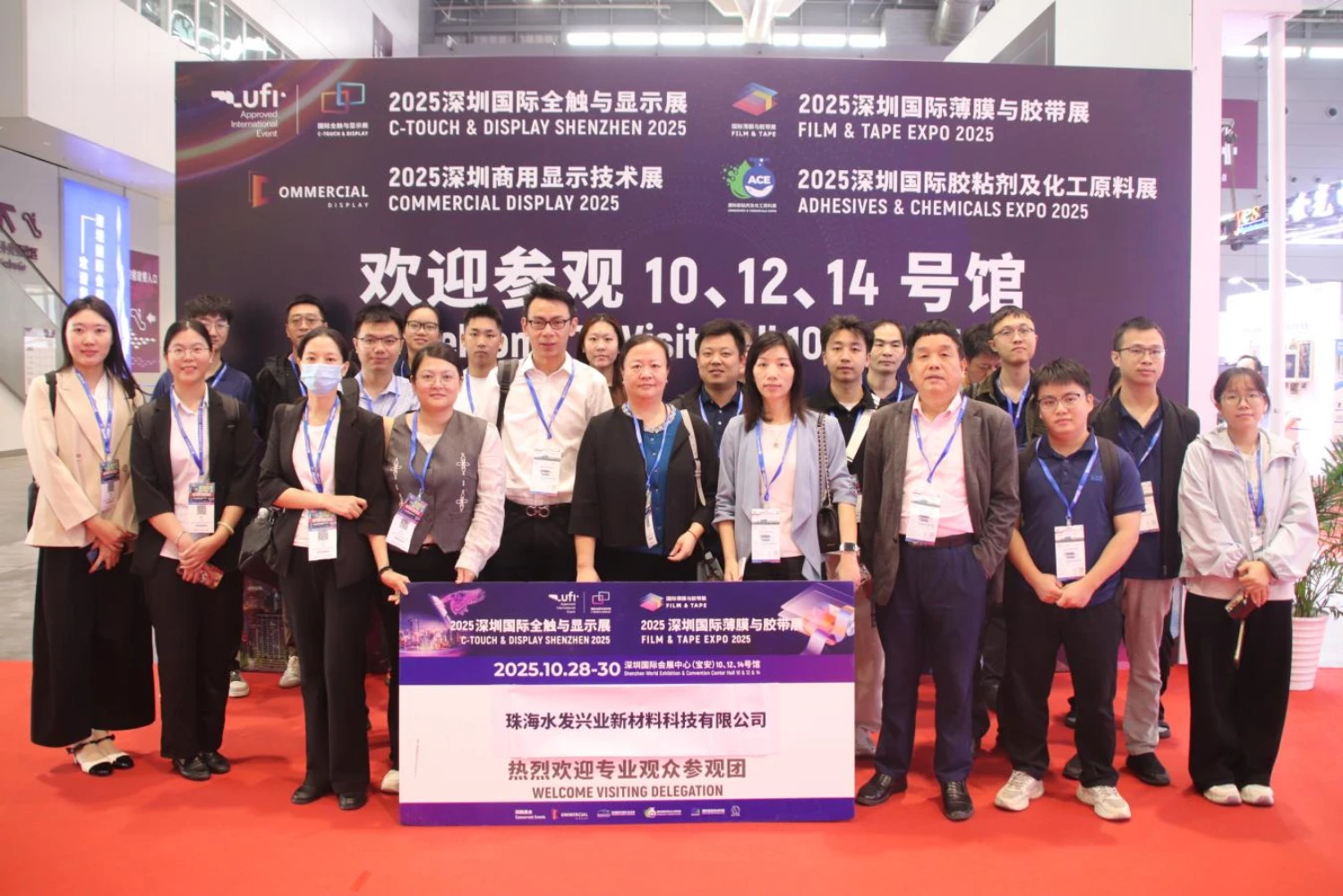
Exploring New Chapters of Development Together! Shuifa Singyes New Materials Participates in C-Touch & Display Shenzhen 2025 and Commercial Display
Learn more >


Automotive glass is exposed to a wider range of operating conditions than many indoor glazing applications. A vehicle parked under direct sunlight can experience intense heat around its roof and windows, while a car operating in winter may face prolonged exposure to freezing air. Temperature changes can also occur within a single journey as the vehicle moves between outdoor conditions, air-conditioned interiors, tunnels and open roads.
For smart film used in automotive glass, these conditions make temperature performance an important engineering consideration. The film must maintain its intended light-control function while remaining compatible with the surrounding glass structure, electrical connections and installation materials. A product designed primarily for a controlled indoor environment may not meet the same requirements as one developed for vehicle applications.
Shuifa Singyes New Materials has developed wide-temperature intelligent liquid crystal dimming film for automotive applications, with a stated stable operating temperature range of -30°C to 100°C. This range provides a reference for evaluating its suitability for vehicles exposed to cold and hot environments. Actual performance still depends on the complete glazing assembly, electrical system, installation method and conditions of use.
Automotive smart film operates as part of a larger glass assembly rather than as an isolated material. Changes in temperature can affect the film itself, the surrounding glass, bonding materials, edge seals and electrical connection points. Each component responds to environmental conditions in its own way, making compatibility essential to long-term performance.
A vehicle roof, for example, may receive direct solar radiation for several hours while the vehicle remains parked. Side windows can experience different thermal conditions depending on their orientation and the surrounding environment. Rear glass may also be exposed to sunlight and, depending on the vehicle design, additional heat from nearby vehicle systems.
Cold conditions introduce a different set of considerations. A vehicle left outdoors overnight may need to operate after the glass and its surrounding components have cooled substantially. The smart film must remain suitable for the intended operating environment, and the complete electrical and control system must function within its specified limits.
A wide-temperature smart film provides a broader environmental range for engineering evaluation. Rather than assessing suitability only under room-temperature conditions, automotive manufacturers can consider whether the film is appropriate for the expected temperature range throughout vehicle use.
Several factors deserve attention during this assessment:
● Operating temperature: The temperature range within which the smart film is designed to perform its intended function.
● Temperature exposure: The actual conditions experienced by the glass during parking, driving, seasonal changes and vehicle storage.
● Component compatibility: The ability of the film, glass, bonding materials and electrical connections to work together under the expected conditions.
● Functional consistency: Whether the switching function and intended visual appearance remain acceptable across the specified operating range.
● Installation conditions: Whether lamination, edge treatment and electrical connections are suitable for the selected vehicle glazing design.
These factors help engineers distinguish between a film with a suitable temperature specification and a finished glazing assembly that has been verified for automotive use.

Heat is one of the main environmental considerations for automotive glass. Vehicles parked outdoors can accumulate substantial heat, particularly when the roof and windows receive direct sunlight. Panoramic sunroofs and large glass areas may require additional attention because of their exposure and position within the vehicle.
When smart film is integrated into these areas, temperature performance becomes part of the material selection process. The film needs to operate within its specified conditions while maintaining compatibility with the glass and other components.
Shuifa Singyes New Materials states that its wide-temperature intelligent liquid crystal dimming film supports stable performance from -30°C to 100°C. The upper end of this range is relevant when assessing applications that may encounter high temperatures, although the actual temperature reached by a film depends on its location, solar exposure, ventilation and the construction of the glazing assembly.
A stated temperature range should not be interpreted as proof that every part of a vehicle can operate continuously at the upper limit. Glass temperature, film temperature and the temperature of nearby electrical components may differ. Automotive engineers therefore need to assess the complete assembly rather than relying on the film specification alone.
For hot-weather applications, several checks are particularly useful:
● Confirm that the expected temperature at the film location falls within the product's specified operating range.
● Review the glass construction and the position of the film within the glazing assembly.
● Check whether the bonding materials and edge seals are suitable for the anticipated thermal conditions.
● Evaluate the electrical connection and control components against their own temperature limits.
● Verify the switching function and optical appearance under representative hot-weather conditions.
These checks are especially relevant to sunroofs, panoramic roofs and other glass areas exposed to direct sunlight. They also help manufacturers establish appropriate testing conditions before approving a material for a specific vehicle program.
Cold-weather requirements can be just as important as heat resistance. Vehicles used in northern climates, high-altitude areas and regions with substantial seasonal temperature changes may experience extended periods of low ambient temperature. Even when the passenger compartment becomes warmer after the heating system starts, the exterior glass and some surrounding components may remain cold.
For automotive smart film, low-temperature suitability involves more than confirming that the material can withstand cold storage. Engineers need to distinguish between exposure limits and the temperature range in which the film is expected to perform its switching function.
These are different requirements. A material may tolerate a certain temperature without damage but may not necessarily provide the same operating characteristics at that temperature as it does under normal laboratory conditions. The product specification and validation results should clarify which conditions apply.
Shuifa Singyes New Materials lists -30°C as the lower end of the stated stable operating range for its wide-temperature intelligent liquid crystal dimming film. This provides a useful reference for automotive programs serving markets where winter temperatures can fall below freezing.
During cold-weather evaluation, manufacturers should consider the following points:
● Whether the film can perform its intended switching function at the required operating temperature.
● Whether the glass assembly and bonding materials remain suitable after cold exposure.
● Whether electrical connections maintain reliable contact under the specified conditions.
● Whether the control system can operate within the relevant temperature limits.
● Whether repeated transitions between cold and warmer conditions affect the finished assembly.
The purpose of these checks is to establish how the complete system behaves under realistic conditions. A film temperature rating is an important starting point, but it does not replace vehicle-specific testing.
A temperature range extending from -30°C to 100°C covers a broad span of conditions for automotive material evaluation. For vehicle manufacturers, the practical value lies in having a defined range against which the expected application environment can be compared.
The range is particularly relevant during early design decisions. Before selecting smart film for a sunroof, side window or rear window, engineers can compare the film specification with the anticipated operating conditions and identify any areas that require further verification.
Design consideration | Engineering question | Required verification |
Hot-weather exposure | Could the film location approach the upper specified temperature? | Assess thermal conditions at the installed position |
Cold-weather operation | Must switching remain available at sub-zero temperatures? | Check functional performance at the required low temperature |
Glass construction | Is the film compatible with the selected glazing structure? | Review the complete glass assembly |
Electrical components | Do the connections and controls have suitable temperature ratings? | Check component specifications and system compatibility |
Seasonal temperature changes | Can the assembly accommodate repeated heating and cooling? | Conduct suitable thermal cycling tests |
Finished vehicle use | Does the application meet the intended vehicle requirements? | Validate the assembled glazing under representative conditions |
The table highlights an important distinction: the film's stated temperature range defines a material-level reference, while vehicle approval requires evidence that the installed product meets the requirements of its intended application.
A passenger car used mainly in a mild climate may have different validation priorities from a commercial vehicle operating for long hours across regions with severe seasonal changes. The same film specification should therefore be assessed against the actual vehicle program rather than treated as a universal approval for every application.
Temperature influences the behavior of a smart film system through several connected components. For PDLC-based smart film, the liquid crystal layer changes its optical state in response to an applied electrical field. The finished system must therefore maintain suitable material behavior and electrical operation under the specified environmental conditions.
The film's optical state is only one part of the evaluation. The electrical supply, connections, controller and installation structure also contribute to the final result. If one component operates outside its permitted range, the overall system may not deliver the expected function even when the film material itself meets its specification.
Engineers should pay attention to the relationship between temperature and switching performance. Relevant observations may include the appearance of the film in its transparent and opaque states, consistency across the active area, and any changes that occur after environmental exposure. Acceptance criteria should be established for the particular application rather than assumed to be identical across all vehicle models.
Temperature can also affect the surrounding materials. Differences in thermal expansion between glass, film layers and bonding materials may place additional demands on the finished assembly. Edge areas and electrical connection points deserve particular attention because they are part of the transition between the active film and the surrounding structure.
A suitable validation plan should examine the complete system, including:
● Optical appearance before and after temperature exposure.
● Switching operation at the required test temperatures.
● Condition of the film edges and electrical connection areas.
● Compatibility of the film with the selected bonding and glazing materials.
● Functional performance after the specified heating and cooling cycles.
The precise test temperatures, exposure periods and acceptance criteria should be defined by the vehicle manufacturer and the supplier according to the intended application. A general temperature rating alone cannot establish the performance of every possible glass configuration.
Wide-temperature smart film can be considered for several automotive glass applications, but each location presents a different combination of environmental and design requirements. The selection process should account for the position of the glass, the vehicle's operating environment and the function expected from the dimming system.
Roof glass often receives direct sunlight for extended periods, particularly when the vehicle is parked outdoors. Its position makes heat exposure a major consideration during material selection and thermal evaluation.
For these applications, engineers should review the expected glass temperature, the film's location within the assembly and the compatibility of all surrounding materials. The control system and electrical connections must also meet the requirements of their installed positions.
A wide-temperature smart film with a stated operating range extending to 100°C gives engineers a defined upper-temperature reference for this assessment. The final suitability of the product still needs to be confirmed against the actual roof design and its test requirements.
Side windows experience different conditions according to their orientation, the vehicle's use and the surrounding environment. A vehicle parked facing the sun may expose one side of the glazing to stronger solar radiation than the other. During driving, airflow and changing sunlight can further alter local conditions.
Temperature suitability should therefore be considered alongside glass dimensions, active areas and installation requirements. The selected film needs to match the intended glazing design while operating within the specified environmental limits.
For side-window applications, evaluation should include both the film and the completed glass assembly. Dimensional compatibility and edge treatment remain important because thermal suitability alone does not guarantee a successful installation.
Rear glazing can involve additional design considerations, including the surrounding glass structure and any vehicle-specific electrical features. Where other heated or electrically connected components are present, their positions and operating requirements should be considered during system design.
The assessment should establish whether the smart film, its connections and the surrounding materials can meet the required temperature conditions without interfering with the intended operation of the finished glazing.
Commercial vehicles and caravans may operate in different climates and remain outdoors for extended periods. Their service conditions can vary according to route, storage arrangements, operating hours and regional climate.
For these vehicles, a defined wide-temperature specification helps suppliers and vehicle manufacturers assess whether the material is suitable for the intended environment. The validation plan should reflect actual use rather than rely solely on a general passenger-car test profile.
A wide operating range is useful during product selection, but it should not be treated as a substitute for testing. Automotive glazing combines several materials and components, and each can respond differently to temperature exposure.
A film may meet its specified temperature range while the selected adhesive, seal, cable or controller has a narrower operating limit. In that situation, the complete assembly may require a different component choice or a revised installation design.
Thermal cycling is one way to evaluate the combined system. The finished glazing can be exposed to defined heating and cooling conditions, followed by checks of appearance, switching function and component condition. Test sequences should reflect the vehicle manufacturer's requirements and the intended service environment.
The validation process should also distinguish between short-term exposure and long-term use. Passing a single temperature exposure test does not necessarily establish durability after repeated seasonal changes or prolonged service. The appropriate evidence depends on the application and the qualification requirements of the vehicle program.
Supplier documentation should clearly identify the specified temperature range and explain the conditions to which it applies. If a rating refers to film operation rather than storage or survival, that distinction should remain clear throughout technical communication. Consistent definitions help prevent different teams from interpreting the same specification in different ways.
Supplier involvement is valuable when wide-temperature smart film is being evaluated for a new vehicle model. Early technical communication allows the engineering team to compare the product specification with the intended glass design before the project reaches later development stages.
Shuifa Singyes New Materials provides automotive smart film solutions and states that its wide-temperature intelligent liquid crystal dimming film operates within a range of -30°C to 100°C. The company also identifies automotive applications including sunroofs, side windows and rear windows. These details can serve as an initial reference when reviewing material suitability.
The next step is to define the requirements of the specific vehicle. Useful information includes the glass drawings, intended film area, expected environmental conditions, electrical requirements and the relevant qualification standards. These details help establish whether the proposed material should proceed to prototype evaluation.
A practical supplier review should cover:
● The exact meaning of the stated temperature range and its applicable test conditions.
● The intended vehicle glass location and expected thermal exposure.
● Compatibility with the selected glazing and bonding materials.
● Electrical requirements and the temperature limits of connected components.
● Prototype testing, acceptance criteria and documentation requirements.
These discussions are particularly important when the same film platform is being considered for several vehicle models. Similar-looking glass parts may have different structures, installation constraints or environmental requirements, so approval for one application should not automatically be extended to another.
Wide-temperature performance is an important selection factor when smart film is intended for vehicles operating in changing climates. Heat from solar exposure, winter cold and repeated temperature transitions all place requirements on the film and the surrounding glazing assembly.
Shuifa Singyes New Materials states that its wide-temperature intelligent liquid crystal dimming film supports stable performance from -30°C to 100°C. This specification provides a clear starting point for automotive engineers assessing applications that may encounter both low and high temperatures.
The final decision should be based on more than the numerical range. Glass construction, bonding materials, electrical connections, control components and the intended service environment all need to be considered together. Testing the finished assembly under representative conditions helps confirm whether the selected configuration meets the vehicle program's requirements.
For automakers evaluating smart film for sunroofs, side windows, rear windows and other vehicle glazing, a defined temperature range combined with application-specific verification provides a more reliable basis for material selection. It connects the film's stated capabilities with the conditions the finished vehicle is expected to encounter in service.