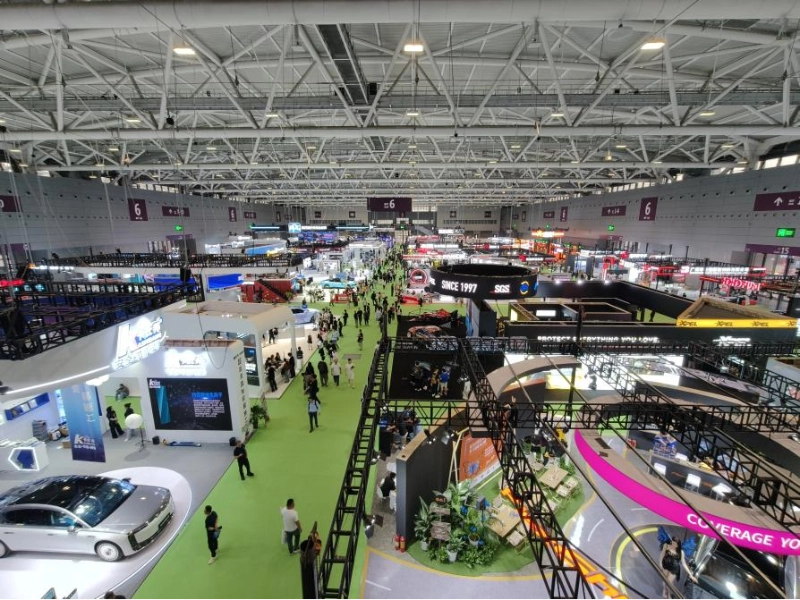
Zhuhai Shuifa Singyes New Materials Co. Ltd. Participates in the 2026 CIMP AutoEcosystems Expo
Learn more >


Integrating switchable glazing into a vehicle is not simply a matter of applying an electrically controlled film to existing glass. The glass, film, electrical connections, control system, interior trim, and vehicle architecture all need to work together within the available space.
For automakers, the main challenge is making sure the selected solution fits the vehicle from both a technical and production perspective. Glass dimensions may already be fixed by the body structure, while wiring space, power supply, control logic, and installation procedures are often determined by other vehicle systems. Changes to one component can therefore affect several related parts.
The integration process also differs from architectural glazing. Automotive glass is exposed to vibration, repeated temperature changes, limited installation space, and strict requirements for appearance and consistency. A solution that works well in a building environment cannot simply be transferred to a vehicle without reviewing these conditions.
For vehicle manufacturers, several points deserve attention before the glazing configuration is finalized.
The starting point is the vehicle glass itself. Windshields, side windows, rear windows, sunroofs, and internal partitions do not necessarily use the same construction or installation method. The available thickness, curvature, edge structure, mounting method, and surrounding components can all influence how the film is integrated.
The film needs to work within the selected glass construction rather than being treated as an independent component. The relationship between the active area and the glass perimeter is particularly important because the edge of the assembly may need to accommodate electrical connections and sealing structures.
For an OEM project, the engineering team normally needs to establish:
· Glass type and construction
· Overall dimensions and active viewing area
· Available installation space around the glazing
· Edge and connection requirements
· Required optical appearance
· Electrical connection location
· Control requirements
· Environmental and operating conditions
These parameters should be reviewed together. For example, increasing the active area may affect the available space for electrical connections. Moving a connection point may create a conflict with a frame, trim component, or sealing structure.
Early coordination reduces the need for modifications after the vehicle design has progressed.

Automotive glass rarely exists as a simple rectangular panel. The visible area is influenced by body lines, roof structures, window frames, seals, trim, and interior components.
For this reason, the effective switching area needs to be defined carefully. The film should cover the intended visual region while leaving the necessary areas for connections and installation.
A vehicle program may also use different glass dimensions across several trim levels or body variants. The supplier needs clear information about these variations so that the film configuration corresponds to each approved glass design.
The design review should therefore distinguish between the overall glass size and the actual active area. They are related but not necessarily identical.
Design item | Main consideration |
Overall glass size | Must correspond with the vehicle glazing dimensions |
Active area | Should cover the intended visual region |
Edge area | Requires sufficient space for connection and assembly |
Connection position | Needs to avoid interference with surrounding structures |
Glass variation | Different vehicle versions may require separate configurations |
Visible boundary | Should remain consistent with the vehicle's interior and exterior appearance |
A clear definition at this stage also provides a useful reference for later inspection. When the finished glazing is evaluated, the team can compare the actual active region with the approved design rather than relying only on overall dimensions.
Switchable glazing requires an electrical connection and a suitable power supply. In a vehicle, those connections have to fit within a much more compact environment than a conventional building installation.
The electrical design needs to consider where the power originates, how the wiring reaches the glass, where the connection is located, and how the system is controlled by the vehicle.
The film itself is only one part of this circuit. The complete arrangement may involve a power supply, wiring harness, connectors, control switches, and vehicle electronics. Each interface needs to be defined before the final glass configuration is released.
Connection routing should also be considered together with mechanical installation. Wiring cannot simply be placed wherever space is available after the glass has been installed. The route may be affected by door movement, roof structures, trim panels, sealing components, or other electrical systems.
For an OEM program, technical discussions should cover:
· Input power requirements
· Connection location
· Cable routing
· Connector configuration
· Control method
· Independent or grouped switching
· Integration with vehicle electronics
· Protection of connections during assembly and service
The purpose is not to make the electrical system more complicated. It is to ensure that the switching function is compatible with the vehicle architecture from the beginning.
The control method depends on where the glazing is installed and how the vehicle is expected to operate.
A sunroof may require control from the vehicle's roof or infotainment interface. A side or rear window may require a different control arrangement. A caravan partition may be operated independently from the vehicle's conventional window controls.
For OEM integration, the control function should be defined at the same time as the glass specification. Otherwise, the physical glazing may be ready before the control architecture has been resolved.
The design team should determine whether the glazing operates as:
· One complete zone
· Several independent zones
· A combination of local and centralized controls
· A component linked to the vehicle's existing electronic interface
The switching behavior should also be consistent with the intended user experience. If several areas are controlled together, the response between those areas should be visually consistent. If separate zones are used, the boundaries between them should correspond with the vehicle design.
This becomes particularly important when several pieces of glazing are installed within the same vehicle. Consistent control logic helps prevent differences in operation between adjacent areas.
Optical performance cannot be judged only from the film material. The final appearance depends on the complete glass construction and the surrounding vehicle environment.
When the glazing is transparent, the visual quality should be assessed across the intended viewing area. When the film switches to the privacy state, the team should also examine the uniformity of the switched area and the appearance around its edges.
The evaluation should take place using the actual or representative glass construction whenever possible.
Important points include:
· Transparency in the clear state
· Haze and visual uniformity
· Color appearance
· Switching consistency
· Edge appearance
· Uniformity across the active area
· Compatibility with the surrounding glass construction
Automotive interiors contain many reflective and contrasting surfaces, so small differences in optical appearance can become more noticeable under certain lighting conditions. Reviewing the finished glazing rather than the film alone gives the design team a more realistic reference.
For vehicles with large areas of switchable glazing, consistency between adjacent panels is especially important. The objective is not simply for each panel to operate independently, but for the complete installation to present a coherent appearance.
Vehicle glazing is installed within a defined body structure. The film configuration must therefore fit the mechanical installation process rather than creating additional interference.
Clearances around the glass, seals, trim, connectors, and wiring should be reviewed before production. The installation team should also understand which areas require protection during handling.
A technically suitable film can still create problems if its connection points are positioned where the assembly tools cannot reach them or where surrounding components apply excessive pressure.
For this reason, the supplier and vehicle manufacturer should review the complete installation sequence rather than focusing only on the final installed condition.
A practical review can cover:
· How the glass is positioned during assembly
· Where the electrical connection is accessed
· How wiring is routed before final trim installation
· How the glass is protected during handling
· Whether surrounding components interfere with the active area
· Whether service access remains available after assembly
These details are especially important when the same configuration will be used across a production vehicle. A solution that requires additional manual adjustment at every installation step may not be suitable for a high-volume assembly environment.
Automotive glazing operates under conditions that can change significantly during normal vehicle use. A vehicle may remain parked outdoors for extended periods, experience rapid temperature changes, or operate in different geographical regions.
The material selection therefore needs to account for the intended operating range and vehicle environment.
Shuifa Singyes New Materials has developed wide-temperature intelligent liquid crystal dimming film for automotive applications, with stable performance stated for environments from -30°C to 100°C. The company has also obtained IATF 16949 Automotive Quality Management System certification and passed an audit by TÜV Rheinland.
These qualifications are relevant when discussing automotive integration because vehicle manufacturers typically need more than a material sample. They need confidence that the supplier understands automotive quality requirements and can support a product intended for vehicle applications.
The environmental requirements should still be assessed according to the specific vehicle program. The expected temperature range, installation position, exposure conditions, and surrounding glass construction should all be considered before final specification.
An automotive glazing project usually involves multiple design revisions before the final configuration is approved. Supplier support therefore needs to extend beyond the initial quotation.
During development, questions may arise around dimensions, connection positions, glass construction, control requirements, or production changes. A supplier with relevant engineering experience can help identify whether a proposed modification affects the film configuration or the overall assembly.
For OEM projects, useful supplier capabilities include:
· Technical drawing review
· Customized sizing
· Connection and wiring coordination
· Sample preparation
· Prototype support
· Specification confirmation
· Quality documentation
· Production support
· Communication during design changes
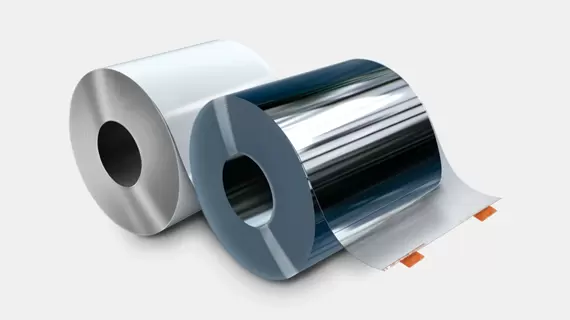
The ability to customize sizing is particularly relevant because vehicle glass dimensions vary considerably between models. A standard roll or fixed-size configuration may not correspond directly with the final glazing design.
Shuifa Singyes New Materials also provides customized sizing and pattern etching services, giving vehicle manufacturers more flexibility when developing glazing for different models and configurations.
A vehicle manufacturer normally evaluates components against defined quality requirements rather than relying on visual inspection alone. Switchable glazing should be considered in the same way.
Quality control can cover incoming materials, dimensional accuracy, electrical connections, switching performance, appearance, and consistency between production batches.
The inspection criteria should be established before large-scale supply begins. This allows both the supplier and vehicle manufacturer to work from the same reference.
Quality area | What needs to be controlled |
Dimensions | Compliance with approved glass and active-area specifications |
Appearance | Consistency of clear and switched states |
Electrical interface | Correct connection position and configuration |
Switching | Stable and consistent operation |
Batch consistency | Similar performance across supplied units |
Identification | Clear traceability to the approved specification |
For an OEM program, documentation is equally important. Product specifications, inspection records, approved samples, and revision information provide a technical record that can be referenced when the vehicle program moves from prototype to production.
Prototype testing is most useful when the tested assembly closely represents the intended production design.
Testing a film sample separately from the actual glazing can confirm certain material characteristics, but it does not fully represent the interaction between the film, glass, wiring, frame, trim, and vehicle control system.
A representative prototype can help the engineering team identify problems before production tooling and assembly procedures are finalized.
The review should consider the complete installation rather than asking only whether the film switches. The team needs to determine whether the glazing fits the vehicle, whether the connections are accessible, whether the controls behave as intended, and whether the visual result matches the approved design.
Any changes identified during prototype validation should be incorporated into the controlled engineering documentation before production release.
The most effective approach is to treat switchable glazing as part of the vehicle system from the early development stage.
The glass supplier, vehicle manufacturer, electrical team, and relevant assembly teams should work from a consistent technical definition. Dimensions, active areas, connections, controls, environmental requirements, and quality criteria should be established before the product enters regular production.
For an automotive manufacturer, the key questions are therefore broader than whether the film can switch between transparent and privacy states. The engineering team needs to determine whether the solution can be incorporated into the selected glass, connected to the vehicle's electrical architecture, installed within the available space, manufactured consistently, and supported throughout the vehicle program.
With automotive applications already covering sunroofs, side windows, rear windows, and caravan partitions, the integration requirements can vary considerably between projects. Shuifa Singyes New Materials has reported deployment across more than 40 vehicle models, reflecting the need for different dimensions and configurations across vehicle programs.
Successful integration ultimately depends on treating the glazing, electrical system, mechanical installation, quality requirements, and supplier support as connected parts of one vehicle development process. When these interfaces are defined early, the transition from prototype glazing to production-ready equipment becomes more controlled and predictable.