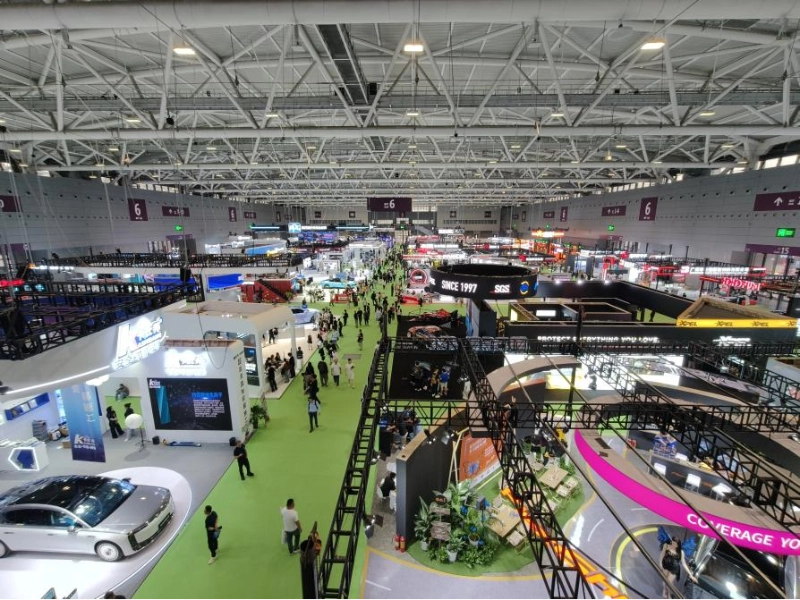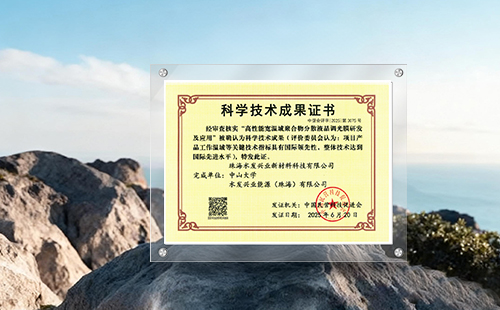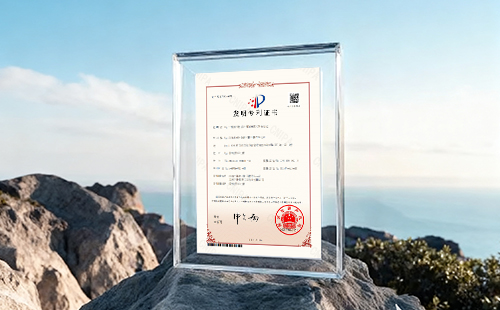
Zhuhai Shuifa Singyes New Materials Co. Ltd. Participates in the 2026 CIMP AutoEcosystems Expo
Learn more >


The smart glass industry has entered a new stage of development. What was once considered a premium feature reserved for executive boardrooms and luxury properties is now appearing in office towers, hotels, healthcare facilities, transportation projects, retail spaces, and residential developments.
At the same time, project requirements have become more sophisticated. Architects are no longer looking only for privacy control. Building owners increasingly want materials that support both functionality and visual identity. This shift has created growing interest in Color Smart Film, a PDLC-based switchable film that combines intelligent privacy management with customized color effects.
Grey glass partitions in modern offices, black privacy glass in luxury vehicles, and customized colored smart glass in hospitality projects are becoming increasingly common. As demand grows, procurement teams face a critical question: how can they identify a supplier capable of supporting large-scale projects without creating quality, delivery, or performance risks?
For wholesale buyers, the decision extends far beyond comparing product prices. Manufacturing capability, supply stability, technical support, customization capacity, and long-term consistency often have a greater impact on project success than the initial quotation.
Color Smart Film is a switchable film based on PDLC (Polymer Dispersed Liquid Crystal) technology. It allows glass to change between transparent and privacy modes while introducing decorative color options that conventional smart film cannot provide.
When power is applied, liquid crystal molecules align, allowing light to pass through the film and creating a transparent appearance. When power is removed, the liquid crystals scatter light, turning the glass into an opaque privacy surface.
The switching principle remains the same as standard smart film. The difference is the visual effect.
Traditional smart film is generally available in frosted white configurations. While effective for privacy management, it offers limited design flexibility for architects and interior designers seeking unique aesthetics.
Color Smart Film expands those possibilities through options such as:
●Grey Smart Film
●Black Smart Film
●Blue Smart Film
●Customized Color Smart Film
This combination of privacy control and decorative appearance makes the material attractive for projects where both performance and design matter.
Modern buildings increasingly emphasize user experience and visual differentiation.
Glass is no longer simply a construction material. It plays a significant role in branding, spatial design, and occupant comfort.
Hotels seek privacy systems that complement interior themes. Office designers want flexible spaces without relying on curtains or blinds. Automotive projects demand privacy solutions that align with vehicle styling.
Color Smart Film provides an opportunity to integrate privacy control directly into the design language of a project.
Instead of hiding glass behind additional coverings, the glass itself becomes part of the architectural concept.
Price is always part of procurement decisions, but experienced buyers understand that the lowest quotation does not automatically create the lowest project cost.
Smart glass projects often involve hundreds or thousands of square meters of material. Small quality variations can create significant problems after installation.
A color mismatch between production batches may require expensive replacement work. Delayed deliveries can affect construction schedules. Inconsistent switching performance can generate customer complaints and maintenance costs.
For this reason, large project buyers typically evaluate suppliers based on risk management rather than price alone.
| Procurement Factor | Trading Supplier | Integrated Manufacturer |
|---|---|---|
| Product Consistency | Depends on sourcing | Controlled internally |
| Delivery Stability | Limited flexibility | Large-scale capacity |
| Technical Support | Basic assistance | Engineering support |
| Production Traceability | Limited visibility | Full process control |
| OEM Development | Restricted | Flexible customization |
| Long-Term Supply | Variable | Stable production planning |
The larger the project becomes, the more valuable these factors become.
Large commercial projects are rarely completed in a single shipment.
Developers often require phased deliveries, future expansion orders, replacement materials, and ongoing support.
If a supplier depends on multiple external sources, maintaining identical performance over time becomes more difficult.
Potential issues include:
●Color differences
●Optical inconsistency
●Switching performance variation
●Delivery uncertainty
These risks may not be visible during the initial purchasing stage, but they often become apparent during installation and operation.
Reliable supply chains help minimize these problems.
Evaluating suppliers requires more than reviewing product samples. Buyers should assess the entire manufacturing and support system behind the product.
Production capacity provides a clear indication of whether a supplier can support large projects.
As demand for smart glass continues to increase, manufacturers must demonstrate the ability to produce large volumes without sacrificing quality.
Facilities equipped with automated production systems typically offer stronger consistency and shorter lead times.
A manufacturer operating:
●40,000㎡ production facilities
●20,000㎡ cleanroom workshops
●Multiple automated coating lines
●Precision laminating systems
Is generally better positioned to support large commercial projects than a small-scale operation.
Capacity becomes particularly important when projects require thousands of square meters of smart film within a fixed construction schedule.
Many buyers focus entirely on the finished smart film product while overlooking the importance of ITO Film.
ITO (Indium Tin Oxide) forms the conductive layer responsible for switching performance. The quality of this layer directly affects:
●Optical clarity
●Conductivity
●Response speed
●Long-term stability
Manufacturers that produce their own ITO Film maintain greater control over product performance.
When ITO Film is sourced externally, consistency depends on multiple suppliers, increasing potential variability.
A vertically integrated production structure offers stronger control over every stage of manufacturing.
The smart glass market continues to evolve as customers demand larger dimensions, new color options, and enhanced functionality.
Projects increasingly require:
●Customized colors
●Special dimensions
●Integrated control systems
●Advanced optical performance
●Meeting these requirements requires more than production equipment.
●It requires engineering expertise.
Suppliers with dedicated research and development teams can respond more effectively to project-specific requirements and changing market trends.
They are also better equipped to support OEM and ODM programs.
Quality control should be embedded throughout the production process rather than limited to final inspection.
Professional manufacturers typically evaluate:
●Visible light transmission
●Haze levels
●Switching speed
●Color consistency
●Electrical performance
●Adhesion strength
●Environmental durability
Consistent testing helps ensure uniform performance from one production batch to the next.
For large projects, consistency often determines long-term customer satisfaction.
Global projects frequently require compliance with industry standards and certification requirements.
Depending on the target market, buyers may need documentation related to:
●CE Certification
●RoHS Compliance
●ISO Quality Systems
●Safety Testing Standards
●Environmental Requirements
Suppliers familiar with international certification procedures can help simplify project approval and reduce administrative delays.
Few large projects are identical.
Architects, developers, and smart glass manufacturers often require customized specifications.
Typical requirements include:
●Customized widths
●Customized lengths
●Special color configurations
●Smart control integration
●OEM branding support
A supplier with strong customization capability can support project differentiation while maintaining production efficiency.
The growing popularity of Color Smart Film reflects its ability to serve both functional and aesthetic objectives across multiple industries.
Office buildings increasingly incorporate smart glass to create flexible workspaces.
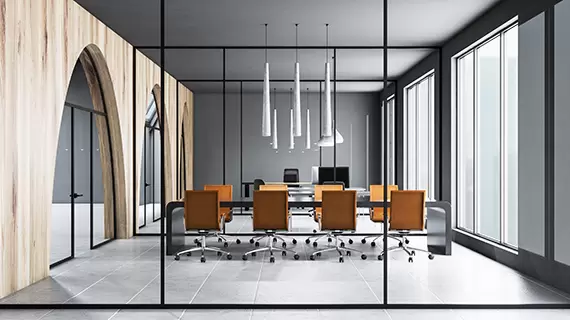
Meeting rooms, executive offices, and collaborative environments benefit from instant privacy control while maintaining an open architectural layout.
Grey and black smart film options are particularly popular because they complement modern commercial interiors.
Workplace design continues to move toward adaptable environments.
Color Smart Film supports:
●Flexible meeting spaces
●Dynamic privacy management
●Improved space utilization
●Contemporary office aesthetics
For smart building integrators, this creates opportunities to improve both functionality and user experience.
Hotels use smart glass to enhance guest comfort and interior design.
Common applications include:
●Bathroom partitions
●Presidential suites
●Conference facilities
●VIP lounges
Color customization allows hotel operators to align smart glass systems with brand identity and interior themes.
Retail design increasingly focuses on customer engagement and visual impact.
Color Smart Film can be incorporated into:
●Storefront displays
●Product showcases
●Luxury boutiques
●Consultation rooms
Switchable colored glass creates dynamic environments that attract attention while maintaining operational flexibility.
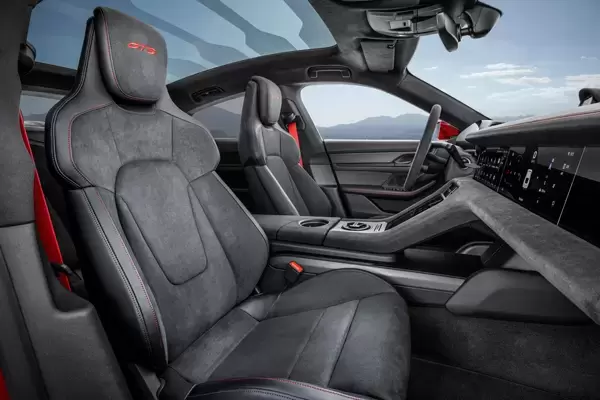
The automotive sector continues to explore smart glass solutions for both OEM and aftermarket applications.
Applications include:
●Panoramic sunroofs
●Side windows
●Rear partitions
●Luxury MPV privacy systems
Black and grey configurations are particularly popular in premium vehicles where privacy and design are equally important.
Homeowners are increasingly adopting intelligent glass technologies.
Applications include:
●Bathrooms
●Bedrooms
●Home offices
●Interior partitions
Color Smart Film provides privacy control while supporting modern interior design concepts.
| Industry | Primary Requirement | Value of Color Smart Film |
|---|---|---|
| Commercial Buildings | Flexible privacy | Instant switching |
| Smart Offices | Space adaptability | Dynamic partitions |
| Luxury Hotels | Guest experience | Privacy and design |
| Retail Spaces | Visual impact | Customized aesthetics |
| Automotive Glass | Cabin comfort | Privacy management |
| Residential Projects | Smart living | Integrated glass control |
One of the most significant differences between suppliers lies in their manufacturing structure.
Some companies operate primarily as traders, sourcing materials from various factories and assembling solutions based on customer requirements.
Others control the entire production process internally.
Vertical integration offers several advantages.
First, product consistency becomes easier to maintain because every stage is managed under a unified quality system.
Second, communication between departments is more efficient, allowing technical issues to be resolved more quickly.
Third, production schedules become more predictable because key materials are produced internally rather than purchased from external suppliers.
Manufacturers capable of producing:
●ITO Film
●PDLC Smart Film
●Smart Glass
Within the same industrial system, it generally provides stronger quality control and more reliable project support.
For large-scale commercial projects, these advantages can significantly reduce procurement risk.
Demand for Color Smart Film continues to expand as architects, designers, and developers seek intelligent glass solutions that combine privacy control with customized aesthetics.
For wholesale buyers, selecting the right supplier involves evaluating much more than product pricing. Manufacturing capacity, ITO Film production capability, research and development resources, quality management systems, customization support, and long-term supply stability all influence project performance.
As project sizes increase, supplier capability becomes increasingly important.
A manufacturer that controls the complete process from ITO coating to Smart Film production and Smart Glass integration can provide stronger consistency, greater delivery reliability, and more effective technical support.
For large-scale smart glass applications, these factors often contribute more to project success and long-term return on investment than the initial purchase price alone.