How Does Self Adhesive Smart Film Upgrade Existing Glass
Learn more >


For years, automotive window systems mainly focused on basic tinting, glare reduction, and UV protection. That setup worked well for older vehicle designs, but today’s automotive market has changed significantly.
Electric vehicles, luxury MPVs, RVs, and high-end modification projects now place much greater importance on cabin comfort, heat control, passenger privacy, and interior experience.
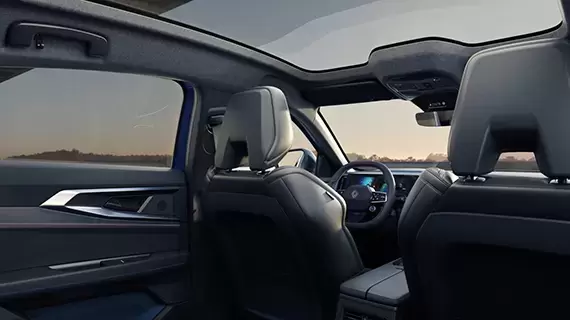
At the same time, panoramic sunroofs and oversized glass structures are becoming common on both EV and premium-fuel vehicle platforms. While these designs improve visibility and cabin openness, they also create new problems that traditional window tint struggles to handle.
Many drivers have experienced the same issues:
· The cabin becomes extremely hot after parking outdoors
· Fixed dark tint reduces visibility at night
· Mechanical sunshades feel outdated and inconvenient
· Rear passengers lack flexible privacy control
· Large glass roofs increase AC load during summer
In business vehicles and executive transportation models, rear passengers often expect a quieter and more private cabin environment. Static window tint simply cannot adapt to different usage situations throughout the day.
This is exactly why Auto Modification Smart Film has started gaining attention in both OEM automotive projects and vehicle modification markets.
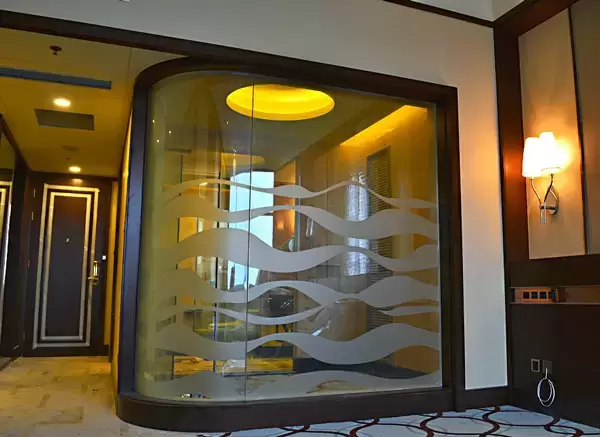
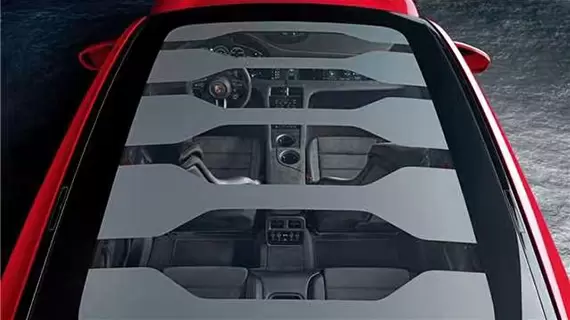
Unlike traditional automotive tint, smart film can switch between transparent and frosted modes instantly, giving users direct control over cabin privacy and light transmission.
That change is reshaping how manufacturers and modification companies think about automotive glass systems.
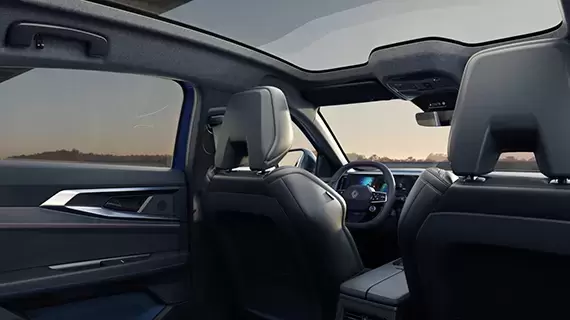
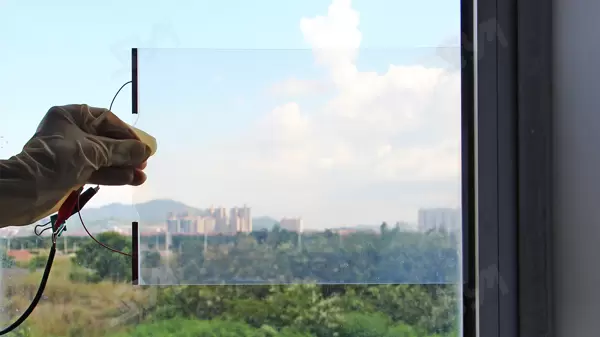
Auto Modification Smart Film is an intelligent dimming film based on PDLC technology, also known as Polymer Dispersed Liquid Crystal technology.
Inside the film structure, liquid crystal particles are distributed within a polymer layer. When electricity passes through the system, the particles align and allow light to pass through clearly. Once the power is turned off, the particles scatter randomly and create a frosted privacy effect.
The operating logic is straightforward:
· Power on → transparent state
· Power off → privacy state
The switching process happens quickly and does not rely on mechanical curtains or fixed shading systems.
Compared with traditional automotive tint, Auto Modification Smart Film provides a much more flexible cabin solution.
Traditional tint maintains the same transparency level all the time. Smart film changes depending on the vehicle environment and passenger needs.
This allows the glass system to adapt to:
· Business privacy requirements
· Day and night driving conditions
· Passenger comfort preferences
· Smart cabin control systems
Because of this flexibility, Auto Modification Smart Film fits modern intelligent vehicles far better than conventional window film.
Vehicle glass environments are much more demanding than standard architectural glass applications.
Automotive smart film must handle:
· Constant vehicle vibration
· Curved glass installation
· Long-term UV exposure
· Rapid temperature changes
· Continuous electrical operation
· Daily opening and closing cycles
Because of these conditions, automotive-grade smart film needs stronger structural stability and reliable electrical performance.
Professional Auto Modification Smart Film systems usually include:
· Flexible PDLC layers
· Ultra-thin conductive structures
· Automotive-grade adhesive systems
· Curved glass compatibility
· Low-voltage control integration
These features allow the film to operate stably on:
· Car side windows
· Panoramic sunroofs
· Rear windshields
· RV cabin windows
· Commercial vehicle partitions
· Luxury MPV privacy systems
Compared with replacing the entire smart glass assembly, smart film installation is more practical for automotive modification projects and vehicle upgrades.
That is one reason why Auto Modification Smart Film is expanding rapidly in the global automotive customization market.
Heat management has become one of the biggest challenges in electric vehicle design.
Modern EVs often use large panoramic roofs to create a cleaner and more futuristic cabin appearance. However, oversized glass structures also allow significantly more solar heat into the cabin.
After several hours of outdoor parking during summer, interior temperatures can rise dramatically.
This directly affects:
EV Cabin Issue | Result |
Excessive solar heat | Passenger discomfort |
High AC workload | Increased battery consumption |
Slow cooling speed | Lower driving efficiency |
Continuous HVAC operation | Reduced vehicle range |
Traditional sunshades can block some sunlight, but they also reduce cabin openness and affect interior aesthetics.
Auto Modification Smart Film offers a more flexible approach.
Instead of permanently darkening the glass, the smart film adjusts transparency dynamically while helping reduce infrared heat penetration.
This creates several practical advantages for EV platforms:
· Reduced cabin heat accumulation
· Lower startup AC energy consumption
· Better passenger comfort during summer
· Improved thermal management efficiency
For electric vehicles, cabin cooling directly affects energy consumption and driving range.
That is why more EV manufacturers are paying closer attention to intelligent automotive glass solutions.
Vehicle buyers today care much more about cabin experience than they did a few years ago.
Large infotainment displays, ambient lighting systems, intelligent seating, and voice interaction have already become standard in many premium vehicles. Automotive glass systems are now evolving in the same direction.
Auto Modification Smart Film improves:
· Dynamic privacy control
· Cabin atmosphere flexibility
· Passenger comfort
· Smart interior interaction
· Overall cabin technology experience
Instead of acting like ordinary tint, smart film becomes part of the vehicle’s cabin control system.
Many luxury MPVs already use intelligent privacy glass to create different passenger environments depending on usage scenarios.
For example:
Scenario | Smart Film Function |
Business meetings | Instant privacy mode |
Executive transportation | Rear cabin separation |
Family travel | Transparent viewing mode |
Nighttime resting | Frosted privacy environment |
Traditional tint cannot provide this type of flexible control.
This is why Auto Modification Smart Film is becoming increasingly common in high-end vehicle modification projects and premium commercial transportation markets.
The RV and camper modification market has become another major application area for Automotive Smart Film systems.
Traditional curtains and sunshades create several problems inside compact cabin spaces:
· They occupy interior space
· Manual operation feels inconvenient
· Fabric systems wear out over time
· Cabin appearance looks less modern
Auto Modification Smart Film provides a cleaner and more integrated alternative.
RV owners can switch between transparent and privacy modes instantly depending on:
· Daytime driving
· Sleeping conditions
· Camping privacy needs
· Sunlight intensity
This creates a more comfortable and flexible interior environment while improving the overall appearance of the vehicle.
For RV conversion companies, smart film also adds stronger technology appeal to premium camper projects.
Special-purpose vehicles increasingly require flexible privacy systems.
Applications include:
· Medical transport vehicles
· Police vehicles
· Security vehicles
· Mobile command centers
· Emergency response units
In these environments, instant privacy control is often more practical than traditional curtain systems.
Auto Modification Smart Film allows cabin visibility to change immediately without mechanical structures or moving parts.
This improves operational flexibility while reducing mechanical maintenance requirements.
Many buyers initially compare smart film with conventional automotive tint, but the two products serve different purposes.
Traditional tint mainly focuses on:
· Fixed glare reduction
· Permanent shading
· Basic UV blocking
Auto Modification Smart Film functions more like an intelligent cabin system component.
Feature | Traditional Tint | Auto Modification Smart Film |
Transparency | Fixed | Adjustable |
Privacy mode | Permanent | Dynamic |
Smart integration | Limited | Supported |
Cabin interaction | Passive | Active |
Interior experience | Static | Flexible |
Smart cockpit compatibility | Low | High |
As automotive interiors become more intelligent, vehicle glass systems are gradually becoming part of the overall smart cabin structure.
Not all smart film products perform equally well in automotive environments.
Several technical factors directly affect long-term stability and cabin performance.
Fast switching speed creates a smoother and more premium experience.
Slow response often feels unrefined, especially in luxury vehicle applications.
Professional buyers usually evaluate:
· Switching consistency
· Uniform transparency
· Voltage stability
· Long-term operating reliability
Thermal control remains one of the most important functions in EV applications.
High-performance Auto Modification Smart Film should help reduce:
· Infrared penetration
· Solar heat buildup
· Cabin temperature fluctuation
This becomes especially important for panoramic roof systems and large side-window structures.
Long-term UV exposure affects both passengers and vehicle interiors.
Professional Automotive Smart Film systems usually provide strong UV isolation to help protect:
· Leather seats
· Dashboard surfaces
· Interior trim materials
· Passenger comfort
Modern vehicle glass uses increasingly complex curved structures.
Poor-quality smart film may eventually develop:
· Edge lifting
· Air bubbles
· Uneven adhesion
· Visual distortion
Automotive-grade products are specifically designed to maintain stable adhesion on curved glass surfaces.
Professional Auto Modification Smart Film manufacturers usually have stronger capabilities in:
· PDLC system development
· Automotive electrical integration
· Vehicle-grade adhesive technology
· Environmental durability testing
· Smart cabin compatibility validation
For OEM projects and high-end modification companies, engineering support is often just as important as the film itself.
The automotive industry is moving steadily toward intelligent cabin ecosystems.
Future vehicle interiors will increasingly rely on:
· Adaptive transparency systems
· Dynamic privacy control
· Smart interactive surfaces
· Intelligent thermal management
· Connected cabin environments
Auto Modification Smart Film already fits naturally into this direction.
Instead of functioning like ordinary automotive tint, it becomes part of the intelligent vehicle architecture.
For EV manufacturers, it supports cabin heat management and energy optimization.
For luxury vehicles, it improves privacy, flexibility, and passenger experience.
For automotive modification companies, it creates a more advanced upgrade option beyond conventional appearance modifications.
As smart cockpit systems continue evolving, Automotive Smart Film will likely become far more common across future vehicle platforms.
Auto Modification Smart Film is no longer simply an upgraded automotive tint product.
It is gradually becoming an important part of modern intelligent automotive glass systems.
By combining:
· PDLC smart dimming technology
· Dynamic privacy adjustment
· Cabin heat management
· Intelligent control integration
Auto Modification Smart Film helps solve several practical problems in modern vehicle design.
For electric vehicles, it supports thermal management and helps reduce cooling energy consumption.
For luxury MPVs and commercial vehicles, it creates flexible privacy environments that traditional tint cannot provide.
For automotive modification markets, it delivers a more advanced smart cabin experience aligned with future vehicle trends.
As intelligent vehicles continue developing, Auto Modification Smart Film will play a larger role in smart cockpit systems, vehicle privacy control, and next-generation cabin comfort solutions.