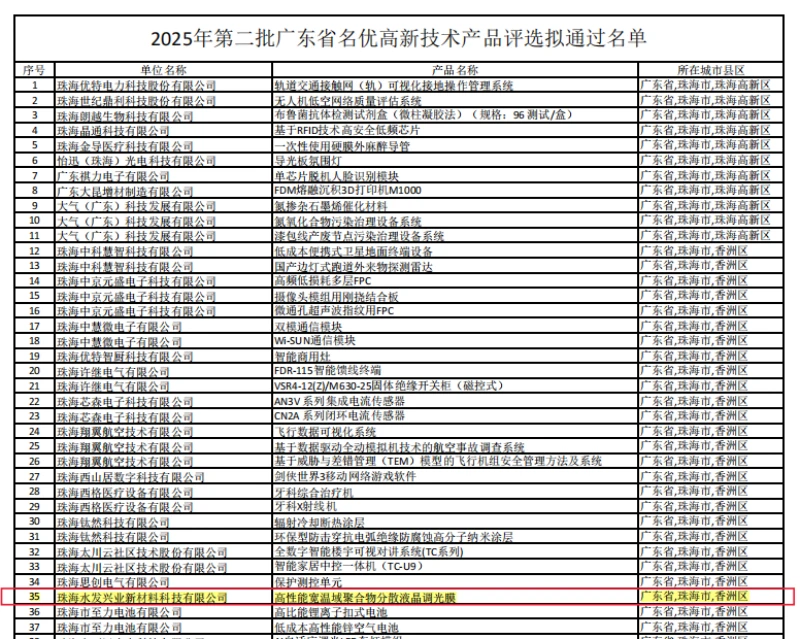
Selected as a Guangdong Province High-Quality High-Tech Product Shuifa Singyes New Materials Accelerates Innovation!
Learn more >


ITO Film for Touch Screen applications remains the top choice due to its balance of optical clarity, mechanical strength, and cost efficiency. Different ITO types, such as multilayer, direct coating, and amorphous films, suit various touch technologies.
●Multilayer structures reduce reflection and boost conductivity, making them ideal for demanding environments.
ITO stands for indium tin oxide.ITO film is composed of indium oxide and tin oxide, forming a transparent conductive layer. ITO films are unique because they offer both electrical conductivity and optical transparency. These films transmit over 85% of visible light, making them ideal for touch screen panels. ITO films also show stable physical properties. They resist high and low temperatures and maintain chemical stability. Manufacturers use ITO films in capacitive and resistive touch panels, LCDs, and smart windows.
Touch screens rely on ITO films for several reasons. The films provide uniform surface resistivity, which ensures consistent electrical signals. This uniformity is crucial for responsive touch interfaces. ITO films detect touch commands by measuring capacitance changes across the screen. Their transparent nature allows clear display visuals while maintaining electrical performance. ITO films also support high precision in touch detection. They help panels respond quickly and accurately to user input.
●ITO films are transparent, so they do not block light from the display.
●The films are conductive, enabling touch detection.
●ITO films are durable and resist environmental changes.
●They can be patterned for custom touch functions.
ITO films come in several types, each suited for different touch applications. The classification depends on resistance and structure. The table below shows common types of ITO films used in touch screens:
Manufacturers also use direct coating, thin films, amorphous films, and multilayer structures. Direct coating offers superior optical clarity. Thin films are common in consumer electronics. Amorphous ITO films provide flexibility for curved or bendable touch panels. Multilayer films reduce reflection and boost conductivity, making them suitable for demanding environments.
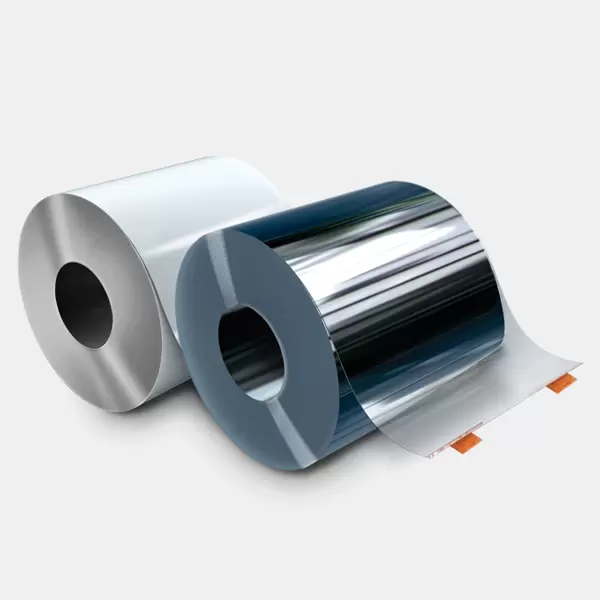
Direct coating and thin films are two common methods for applying indium tin oxide to touch panels. Direct coating places the ITO layer directly onto the substrate, which often results in high optical transmittance and excellent clarity. This method reduces the number of interfaces, so less light reflects inside the panel. The result is a more transparent display with better color accuracy. Direct coating also supports multi-touch function because the uniform layer allows precise signal detection.
Thin films, on the other hand, are produced by depositing very thin layers of ITO onto glass or plastic. These films are widely used in consumer electronics due to their cost-effectiveness and ease of mass production. Thin films can achieve high optical transmittance, but they may show more reflection and slightly lower transparency compared to direct coating. The mechanical strength of thin films depends on the substrate and the thickness of the film. Both direct coating and thin films support capacitive-type touch screen panels, but direct coating is often preferred for applications that demand the best optical performance.
Amorphous indium tin oxide films are essential for flexible touch screen panel designs. These films do not have a regular crystal structure, which allows them to bend and flex more easily than rigid crystalline films. Amorphous ITO provides high optical transmittance and remains transparent even when applied to curved or bendable surfaces. This property is important for flexible capacitive-type TSPs, such as those used in foldable phones and wearable devices.
●Amorphous indium tin oxide films can achieve a critical bending radius as small as 3 mm when combined with a silver interlayer. This structure maintains its electrical properties even after 30,000 bending cycles, with only a 4.12% change in sheet resistance.
●The high conductivity of amorphous ITO is crucial for effective capacitive coupling in flexible touch screens. This ensures that the flexible touch screen panel remains responsive and accurate.
●Amorphous indium tin oxide films are known for their transparency and high optical transmittance, but they can be prone to cracking under repeated stress if not reinforced. The addition of a silver layer helps prevent cracks and improves durability.
Multilayer ITO films combine several layers of transparent conductive materials to improve both optical and mechanical properties. These films often include a silver layer sandwiched between two ITO layers. This design increases conductivity and maintains high optical transmittance. Multilayer films are less likely to crack under strain, making them suitable for both rigid and flexible applications.
Rigid ITO films are typically used in traditional touch panels, such as those found in ATMs, kiosks, and industrial equipment. These films offer excellent durability and high optical clarity. Crystallized ITO films, a type of rigid film, show even higher transmittance and lower resistivity than amorphous films. They perform well under repeated bending at larger radii, such as 16 mm or 12 mm, but are less suitable for extreme flexibility.
Rigid ITO films provide stable performance and long lifespan for devices that do not require bending.
Capacitive touch solutions rely on the unique properties of ITO to deliver high sensitivity and rapid response. The grid-like patterns in ITO films form X and Y sensing electrodes, which are essential for multi-touch function. These patterns allow capacitive-type touch screen panels to detect several touch points at once. Projected capacitive touch uses a grid of electrodes for higher precision. Mutual capacitance measures changes at intersections, enabling accurate multi-touch detection. This technology has become the industry standard for capacitive touch solutions because it responds quickly and accurately.
| Performance Metric | Specification |
|---|---|
| High touch sensitivity | Capacitance detection threshold <0.1 pF |
| Multi-touch capability | Simultaneous detection of 5-10 touch points |
| Rapid response time | Touch-to-display latency <10 ms |
| Compact integration | Touch sensor thickness <0.5 mm |
| Electromagnetic compatibility | Minimal interference with wireless systems |
| Sheet resistance | 100-300 Ω/sq for standard ITO films |
ITO films are transparent and conductive, which improves both durability and image quality in capacitive touch solutions. The optical properties of ITO ensure that displays remain bright and color-accurate. ITO controls liquid crystals in LCDs, resulting in vivid images and reduced glare. Over 80% of touch screens shipped in the last decade use ITO. Typical sheet resistance values range between 100-300 Ω/sq, and optical transmittance is consistently greater than 85%. Flexible capacitive-type TSPs benefit from amorphous ITO, which allows panels to bend without losing performance. The transparent nature of ITO films helps maintain clarity and brightness, even after repeated use.
●ITO is crucial for enhancing image quality due to its transparency and conductivity.
●The films provide improved brightness and contrast, resulting in more vivid images.
●Durability is maintained through stable sheet resistance and high optical transmittance.
The cost of capacitive touch solutions depends on the type of ITO film used. Raw material costs for alternatives may be lower, but manufacturing processes can be more expensive or less mature. Recent advances have reduced material costs by up to 70% compared to ITO and decreased energy consumption in manufacturing. LG Chem estimates a 40-50% reduction in electrode manufacturing costs compared to traditional ITO processes. Economic analyses show potential savings through reduced material expenses and simplified processes. Choosing the right film for capacitive touch solutions can lead to long-term benefits in both performance and cost.
ITO film for touch screen applications offers several advantages that make it a preferred choice in the industry. The transparent nature of ITO allows displays to show bright images and accurate colors. This high optical clarity is important for devices where image quality matters. ITO thin film technology also provides excellent electrical conductivity. This feature enables quick and responsive touch interactions, which improve the user experience on capacitive-type touch screen panels. Users notice faster response times and smoother multi-touch function.
Direct coating of ITO film stands out for its superior optical performance. It reduces internal reflection, making screens clearer and more vibrant. Amorphous ITO film is flexible and works well in devices that need to bend, such as flexible capacitive-type TSPs. Multilayer ITO film combines strength and transparency, making it suitable for both rigid and flexible panels. These films maintain their properties even after repeated use.
Despite many benefits, ITO film for touch screen technology has some limitations. The cost of indium can make production expensive, especially for large panels. ITO is brittle, so it may crack under heavy bending unless reinforced with other materials. This can limit its use in some flexible devices.
Environmental factors also affect ITO film performance. As the substrate temperature increases, the thickness of ITO films grows, and resistivity decreases. Higher temperatures lead to better electrical properties, but they can also change the optical characteristics of the film. Humidity and temperature shifts may impact the stability of capacitive touch panels over time.
●ITO film for touch screen applications may require special processing to maintain both optical and electrical performance.
●Some films are prone to cracking if not properly designed for flexibility.
●Alternatives like metal mesh or silver nanowire are emerging, but ITO remains dominant due to its balance of transparent and conductive properties.
Automotive manufacturers select ITO film for capacitive touch panels based on strict industry standards. These standards focus on optical clarity, environmental durability, and compliance with warranty requirements. Directly coated ITO films reduce failure risks from electrostatic discharge and environmental stress. The table below shows how automotive standards influence ITO film selection:
| Aspect | ITO Films Impact |
|---|---|
| Warranty Claims | ITO films can increase warranty claims if inadequacies occur, especially in capacitive touch light lenses. |
| Compliance Risks | ITO films face higher failure risks from ESD and environmental compliance compared to direct coating. |
| Manufacturing Weaknesses | Manufacturing introduces more failure modes, highlighting weaknesses in ITO substrates. |
Manufacturers often choose multilayer ITO film for automotive touch panels. This approach improves optical performance and mechanical strength, which is essential for in-vehicle displays exposed to vibration and temperature changes.
Consumer electronics rely on ITO film for capacitive touch panels in smartphones, tablets, and laptops. The transparent and conductive properties of ITO film enable precise touch tracking and bright displays. Manufacturers use thin-film ITO for LCDs, OLEDs, and touch panels. The table below highlights common applications and reasons for selection:
| ITO Film Type | Application | Reason for Selection |
|---|---|---|
| Liquid Crystal Displays (LCDs) | Conducting transparent electrodes | Anti-reflective properties and conductivity. |
| OLED Displays | Transparent conductive coating | Essential for light emission and conductivity. |
| Touch Panels | Touch-sensitive surfaces | Conductive and transparent for precise touch. |
| Solar Cells | Transparent conductive oxide (TCO) | High conductivity and transparency. |
| Antistatic Coatings | Electronic devices | Reduces static electricity buildup. |
| EMI Shieldings | Electronic devices | Shields electromagnetic interference. |
Manufacturers balance cost and performance by improving sputtering and coating processes. They address indium scarcity and brittleness by exploring hybrid materials. Durability and scratch-resistance remain essential for capacitive touch panels.
Industrial and medical devices require ITO film with high optical transmittance and mechanical durability. Capacitive touch panels in these fields must meet strict standards for transparency and reliability. The table below summarizes key specifications:
| Specification | Details |
|---|---|
| Optical Transmittance | Exceeds 90% in the visible spectrum for thickness up to 100 nm. |
| Reflectance | 8-15% in the visible spectrum; anti-reflection coatings can reduce it below 2%. |
| Mechanical Durability | Critical cracking strain in the range of 1-2% tensile deformation. |
| Adhesion Strength | >10 MPa for rigid applications; careful engineering for polymer substrates. |
| Adhesive Layer Thickness | 2 to 10 nm to enhance bonding without affecting performance. |
Medical touch panels require biocompatibility testing and regulatory compliance. Enhanced reliability and resistance to cleaning chemicals are necessary for hygiene and patient safety.
The touch screen industry is exploring alternatives to ITO film. Metal Mesh and Silver Nano Wire offer greater flexibility and lower sheet resistance. Metal Mesh provides high transparency but can show visible patterns. Silver Nano Wire achieves better optical performance on flexible substrates but faces challenges with environmental stability and manufacturing. Graphene and hybrid composites are gaining attention for their flexibility and environmental stability. Manufacturers focus on reducing costs and improving production processes. The shift toward nanomaterials and hybrid approaches aims to overcome the limitations of traditional ITO films in capacitive touch panels.
Choosing the right transparent conducting oxide film for touch screen panels depends on application needs. ITO remains the top choice for capacitive touch products due to its high conductivity and transparency. Flexible and foldable capacitive-type tsps benefit from amorphous film, while multilayer film suits rigid panels. The market is shifting toward transparent alternatives like metal mesh, silver nanowires, and graphene for flexible tsps. The table below compares transparent options:
| Alternative | Performance | Cost | Suitability |
|---|---|---|---|
| Graphene | Lower sheet resistance | High | Limited |
| Carbon Nanotubes | Comparable, flexible | Moderate | New tsps |
| Metal Mesh | Lower resistance | Competitive | Consumer panels |
| Silver Nanowires | High flexibility | Moderate | Transparent LEDs, mobile tsps |
| PEDOT | Mixed, low cost | Low | Moldable tsps |
Manufacturers should balance transparency, durability, flexibility, and cost when selecting film for panels.