Switchable PDLC Film for Offices: Turning Glass Walls into Flexible Space
Learn more >


Glass has become one of the most important architectural materials in modern buildings. From office partitions and hotel bathrooms to residential balconies and commercial storefronts, glass creates brighter interiors, improves visual openness, and supports contemporary architectural aesthetics.
At the same time, traditional glass also creates several practical limitations in daily use.
Once installed, ordinary glass remains permanently transparent. Privacy cannot be adjusted according to different situations. In many commercial environments, this creates challenges for meeting rooms, medical spaces, hospitality projects, and residential interiors where both openness and privacy are necessary.
Conventional solutions such as curtains, blinds, or frosted glass can partially solve these problems, but they also introduce new issues:
· Reduced natural light
· Fixed privacy conditions
· Outdated visual appearance
· More complicated cleaning and maintenance
· Limited compatibility with smart building systems
For many building owners and designers, replacing the entire glass system with smart glass is also difficult due to high costs, structural modifications, and long construction periods.
This is why more architects, contractors, and smart building integrators are turning to Self Adhesive Smart Film as a practical upgrade solution for existing glass.
By applying the film directly onto installed glass surfaces, ordinary glazing can be converted into intelligent switchable glass without removing the original structure. The glass can instantly switch between transparent and frosted states, creating flexible privacy control while preserving modern architectural design.
Today, PDLC Self Adhesive Smart Film is widely used in office renovation projects, hotels, healthcare environments, luxury residences, and commercial display systems because it combines intelligent optical performance with retrofit installation convenience.
For many projects, the technology is no longer viewed as a simple window film product. It has become an important part of smart space design and intelligent building upgrades.
Self Adhesive Smart Film is a switchable PDLC film designed for direct installation onto existing glass surfaces. It uses electrically controlled liquid crystal technology to adjust the transparency of glass in real time.
The film structure contains conductive layers and polymer-dispersed liquid crystal materials that respond to electrical current. When the power is switched on, the glass becomes transparent. When the power is turned off, the glass changes into an opaque frosted state.
This technology allows users to control visibility and privacy according to different space requirements instantly.
In modern architectural projects, this creates a much more flexible environment compared with traditional fixed glass systems.
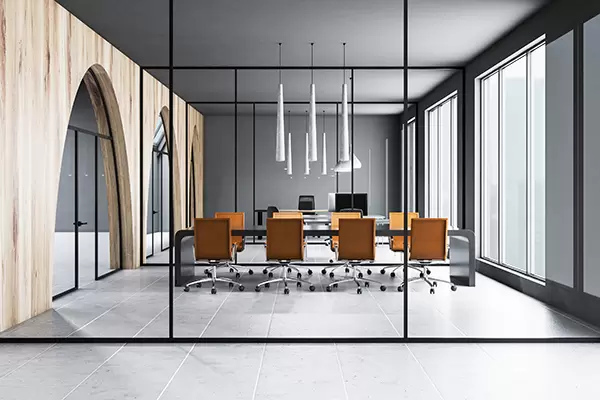
A conference room can remain open and transparent during normal office operations, then instantly become private during meetings. A hotel bathroom can maintain luxury open-space aesthetics while still providing guest privacy when needed. Residential interiors can achieve a cleaner and more modern appearance without depending on curtains or blinds.
Because the film is installed directly onto existing glazing, it has become one of the most efficient retrofit solutions for upgrading ordinary glass into smart glass.
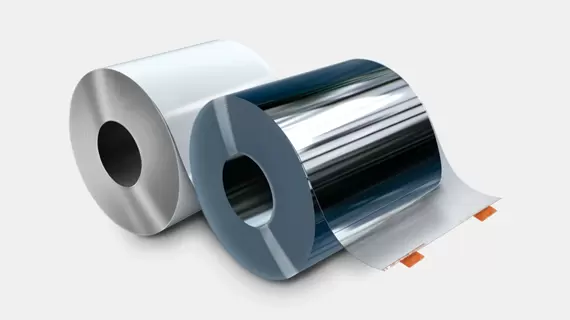
Many contractors now prefer using Self Adhesive Smart Film Roll products in renovation projects because installation is faster and more flexible compared with complete smart glass replacement.
In commercial applications, large-format Customized Self Adhesive Smart Film solutions are also increasingly common. Different glass dimensions, transparency levels, and control systems can be adapted according to project requirements.
As demand for intelligent glass systems continues growing worldwide, many global buyers are working directly with Self Adhesive Smart Film Manufacturers and specialized Self Adhesive Smart Film Factory suppliers to support commercial building upgrades and smart interior projects.

The core technology behind smart film is PDLC, which stands for Polymer Dispersed Liquid Crystal.
Inside the film, microscopic liquid crystal droplets are distributed throughout a polymer layer positioned between conductive materials.
The arrangement of these liquid crystal molecules changes when electricity is applied.
When the power is OFF:
· Liquid crystal molecules remain randomly scattered
· Light passing through the film becomes diffused
· The glass appears frosted or opaque
· Privacy is created instantly
When the power is ON:
· Liquid crystal molecules align in the same direction
· Light can pass through the material
· The glass becomes transparent
This switching process happens almost immediately, making the system highly practical for modern intelligent spaces.
The ability to transition between openness and privacy gives architects and designers far more flexibility when planning multifunctional interiors.
Today, Switchable Self Adhesive Smart Film systems are widely integrated into modern office layouts, luxury hospitality projects, healthcare environments, and smart residential spaces because they provide dynamic control instead of fixed glass conditions.
In addition to privacy management, PDLC technology also helps maintain clean architectural lines and minimalist design aesthetics.
Traditional curtains and blinds occupy physical space, block daylight, and often interrupt the visual continuity of modern interiors. Smart film allows buildings to maintain glass transparency while adding intelligent functionality directly into the glazing system.
For smart building projects, this creates a more advanced user experience and a more modern architectural appearance.
One of the biggest advantages of Self Adhesive Smart Film is its retrofit capability.
In many renovation projects, replacing the original glass system creates major construction challenges.
Traditional smart glass installation often involves:
· Removing existing glazing
· Replacing structural glass panels
· Modifying frame systems
· Higher labor costs
· Longer construction schedules
· Temporary disruption of building operations
For occupied buildings, these issues can significantly increase project difficulty.
This is especially important in:
· Operating office buildings
· Hotels with active guest rooms
· Healthcare facilities
· Retail stores
· Residential renovation projects
Self Adhesive Smart Film provides a more efficient approach because the original glass remains in place.
The film is applied directly onto the glass surface, converting ordinary glazing into intelligent switchable glass without changing the existing structure.
This retrofit approach brings several major benefits.
Replacing architectural glass can be expensive due to demolition, transportation, labor, and installation requirements.
By preserving the original glazing system, smart film helps reduce overall renovation costs while still achieving intelligent glass functionality.
For many commercial projects, this creates a more financially practical upgrade path.
Construction time is a major concern for modern building projects.
Hotels aim to minimize room downtime. Offices need to maintain operations. Commercial spaces often cannot suspend business activities for extended periods.
Because the film can be installed directly onto existing glass, project timelines become significantly shorter.
This is one of the main reasons retrofit smart film solutions are becoming increasingly popular in commercial renovation markets.
Maintaining the original glass structure also reduces the need for large-scale construction work.
This simplifies installation and lowers the risk of affecting surrounding interior finishes or architectural systems.
For high-end projects, preserving existing design details is often extremely important.
Today, Zhuhai Singyes Self Adhesive Smart Film solutions are widely used across many architectural sectors because of their installation flexibility.
Applications commonly include:
· Office glass partitions
· Conference room glazing
· Hotel bathroom glass
· Luxury suite partitions
· Residential balcony windows
· Medical privacy areas
· Retail storefront displays
This flexibility makes smart film highly attractive for both new projects and existing building upgrades.
Modern buildings are expected to support more flexible space usage than ever before.
Open architectural layouts improve collaboration and visual openness, but they also create situations where privacy becomes difficult to manage.
Self-Adhesive Smart Film helps solve this problem by allowing spaces to adapt to real operational needs.
Glass partitions are widely used in modern offices because they maximize daylight and create a more open atmosphere.
However, meeting rooms and executive offices still require privacy during discussions, presentations, and confidential meetings.
With smart film installed on conference room glass, users can instantly switch the glass between transparent and frosted modes.
This creates a more adaptable workspace while maintaining modern office aesthetics.
Compared with traditional blinds, the result looks cleaner, more professional, and more technologically advanced.
Hotels increasingly use glass elements to create larger visual spaces and modern luxury interiors.
Bathroom partitions, spa rooms, and premium suites frequently include glass-based designs.
At the same time, guests still expect privacy and comfort.
Self Adhesive Smart Film allows hotels to balance both requirements without compromising design quality.
The glass can remain transparent to create openness, then instantly switch to private mode when necessary.
For hotel renovation projects, retrofit installation also reduces room closure time during upgrades.
Smart home technology is now expanding beyond lighting and climate control systems.
Modern homeowners want intelligent solutions integrated throughout the living environment.
Smart film is increasingly installed in:
· Bedroom partitions
· Balcony glass
· Bathroom enclosures
· Interior decorative glazing
· Smart window systems
The result is a cleaner and more minimalist interior style while still preserving privacy and natural daylight.
Privacy is especially important in hospitals and healthcare environments.
Traditional curtain systems may create hygiene concerns and often reduce the visual quality of medical interiors.
Smart film creates a more modern and easier-to-maintain privacy solution for:
· Examination rooms
· Patient wards
· Consultation spaces
· Medical glass partitions
The ability to instantly control visibility improves both patient comfort and operational flexibility.
Commercial spaces increasingly use intelligent visual systems to attract customer attention and improve branding experiences.
Smart film can transform storefront glass into dynamic display surfaces with switchable transparency effects.
Many retail environments now integrate smart film into interactive display systems and premium showroom concepts.
Self Adhesive Smart Film is no longer viewed only as a material product. In many projects, it has become part of a broader intelligent building system.
As smart homes and automated commercial buildings continue to develop, demand for integrated control systems is increasing rapidly.
Modern smart film systems can support multiple control methods.
Remote controllers allow users to switch glass transparency instantly according to space requirements.
This remains one of the most common solutions for conference rooms, residential interiors, and hospitality environments.
Many office and commercial projects integrate smart film with wall-mounted switches for easier daily operation.
This creates a familiar user experience while maintaining clean architectural integration.
Advanced smart film systems can also connect with mobile applications.
Users can control glass transparency through smartphones or tablets, adding greater flexibility to intelligent building management.
This feature is increasingly popular in luxury residential projects and smart office environments.
Voice assistants are becoming standard components of modern smart homes.
Many smart film systems can now integrate with intelligent voice platforms, allowing users to control transparency through voice commands.
This creates a more seamless smart living experience.
Large commercial buildings often integrate multiple intelligent systems into centralized control platforms.
Smart film can work together with:
· Lighting systems
· Occupancy sensors
· HVAC systems
· Smart home platforms
· Building automation systems
As a result, China Self Adhesive Smart Film products are increasingly used in international smart building projects because they support intelligent integration requirements while offering strong manufacturing scalability.
Long-term stability is one of the most important considerations when selecting smart film products.
Low-quality materials may initially appear acceptable but often develop problems after prolonged use.
Common issues include:
· Yellowing
· Edge peeling
· Bubble formation
· Uneven switching
· Reduced transparency
These problems directly affect both architectural appearance and customer satisfaction.
High-quality Self Adhesive Smart Film systems are designed for stable long-term performance under demanding environmental conditions.
Continuous sunlight exposure can cause low-grade materials to discolor over time.
Premium smart film products use more stable materials designed to maintain optical clarity and visual appearance for extended periods.
Adhesive stability is critical for long-term installation quality.
Industrial-grade self-adhesive systems are developed to reduce the risk of bubbling and surface defects after installation.
Bathrooms, hotels, and tropical environments expose smart film to moisture and temperature fluctuations.
Reliable smart film systems are engineered to maintain switching performance and surface stability under these conditions.
Commercial projects require products capable of handling frequent daily switching cycles.
Stable conductive structures and high-quality liquid crystal materials help maintain consistent performance over long operational periods.
For contractors and developers, choosing experienced Self Adhesive Smart Film Manufacturers is often critical for ensuring long-term project reliability.
Modern architecture increasingly focuses on sustainability, energy efficiency, and intelligent environmental management.
Large glass surfaces improve daylight access but can also increase solar heat gain and cooling demand.
Smart film technology helps buildings manage these challenges more effectively.
When switched to frosted mode, smart film can help reduce direct sunlight penetration and improve indoor thermal comfort.
This may contribute to lower cooling demand in some building environments.
As green building standards continue evolving, intelligent glazing systems are becoming more important in sustainable construction projects.
Smart film supports modern energy-conscious architectural strategies while preserving design flexibility.
Buildings are increasingly expected to adapt dynamically to user needs.
Self Adhesive Smart Film supports this transition by enabling flexible control of privacy, light, and visual openness throughout different operational situations.
Intelligent glass systems are increasingly associated with premium commercial and residential projects.
Smart film upgrades help buildings achieve:
· More modern visual identity
· Improved smart building functionality
· Better user experience
· Higher commercial appeal
For architects, developers, and property owners, intelligent retrofit technologies are becoming an important part of future-ready building strategies.
Modern buildings require more than static glass systems. Today’s architectural environments demand flexibility, intelligent control, energy efficiency, and adaptable privacy management.
Self Adhesive Smart Film provides an efficient way to upgrade existing glass without replacing the original glazing structure.
Using PDLC technology, ordinary glass can instantly switch between transparent and frosted states, allowing spaces to adapt to changing functional requirements while preserving modern architectural aesthetics.
For offices, hotels, healthcare environments, residential interiors, and commercial spaces, retrofit smart film solutions provide a practical balance between intelligent functionality and installation efficiency.
As intelligent architecture continues developing worldwide, Self Adhesive Smart Film is becoming an increasingly important solution for modern glass renovation and smart space transformation.