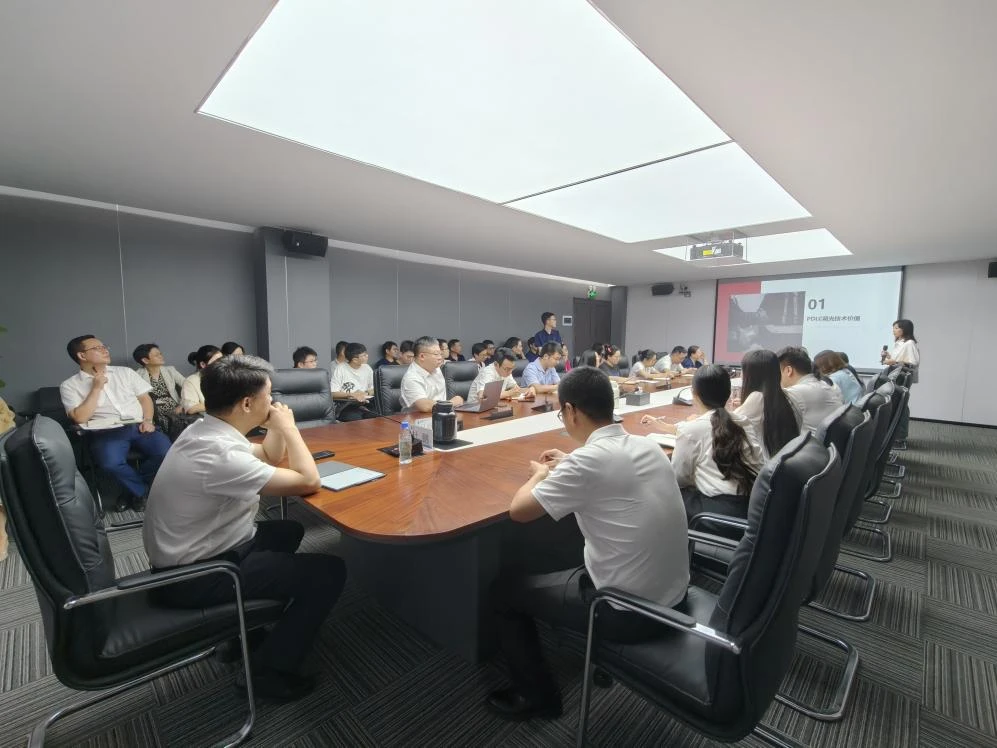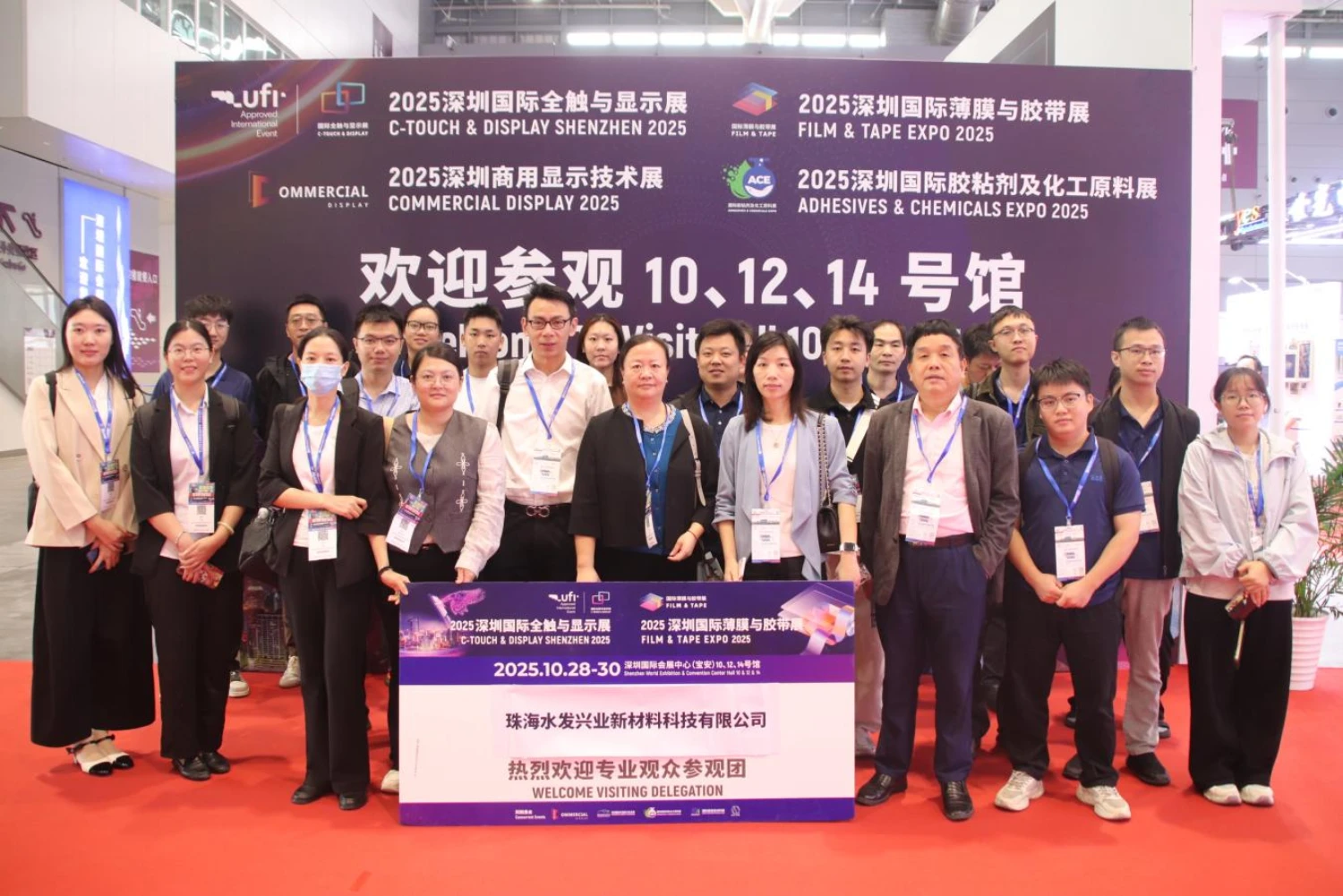
Shuifa Singyes New Materials Launches Targeted Training to Drive Talent Upgrades and Empower Business Advancement
Learn more >


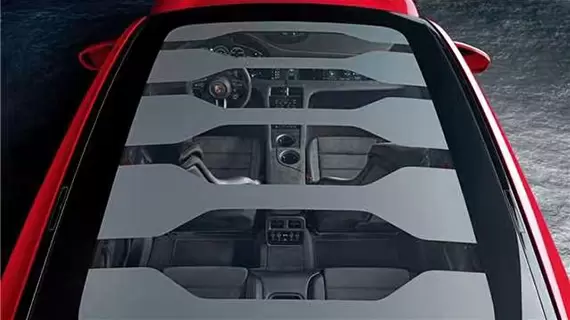
Laminated smart film uses advanced PDLC technology to deliver dynamic control over glass surfaces. This material enables instant switching between clear and frosted states, providing privacy and maximizing benefits in modern spaces. Users gain high clarity and low haze, making laminated smart film ideal for environments that demand both visibility and privacy. Integration with smart systems allows automated light management and seamless operation. The benefits extend to energy efficiency, improved comfort, and enhanced design flexibility. Laminated smart film continues to gain market share, with projections showing a 17.8% annual growth rate and a strong presence in new construction and automotive sectors.
Market highlights:
●Laminated smart film is expected to hold a 38.6% share of the global market in 2026.
●Growth is driven by increased adoption in the Asia Pacific and expanding applications in buildings and vehicles.
Laminated smart film represents a breakthrough in glass enhancement, using advanced PDLC technology to deliver instant privacy and clarity. This smart film consists of several layers that work together to create a dynamic, switchable surface. The core of the smart film uses PDLC, which stands for Polymer Dispersed Liquid Crystal. PDLC contains liquid crystal droplets suspended in a polymer matrix. These droplets respond to electrical signals, changing the film’s appearance from transparent to frosted in milliseconds.
Manufacturers build laminated smart film by sandwiching the PDLC layer between two sheets of Indium Tin Oxide (ITO) film. ITO film conducts electricity, allowing the PDLC to react quickly and evenly. Protective PET films cover the outer surfaces, shielding the smart film from scratches and environmental damage. This multi-layer structure ensures high clarity, low haze, and long-lasting performance.
The following table outlines the main components and their functions:
Component/Material | Description |
Protective Film | Two outer layers of PET film to protect the smart film from scratches. |
ITO Film | A two-layer Indium Tin Oxide film that allows electrical current to pass through the PDLC material. |
PDLC Core | Composed of liquid crystal droplets suspended in polymer, coated in ITO film for conductivity. |
PDLC technology gives laminated smart film its unique ability to switch between privacy and transparency. When users apply an electric current, the liquid crystals align, making the glass clear. When the current stops, the crystals scatter light, turning the glass frosted. This process happens almost instantly, providing flexible control over light and privacy.
Laminated smart film supports wide-width customization, making it suitable for large windows, partitions, and facades. The seamless design and high optical quality set it apart from other glass solutions. Users can integrate this smart film with building automation systems, enabling app, voice, or sensor-based control for intelligent light management.
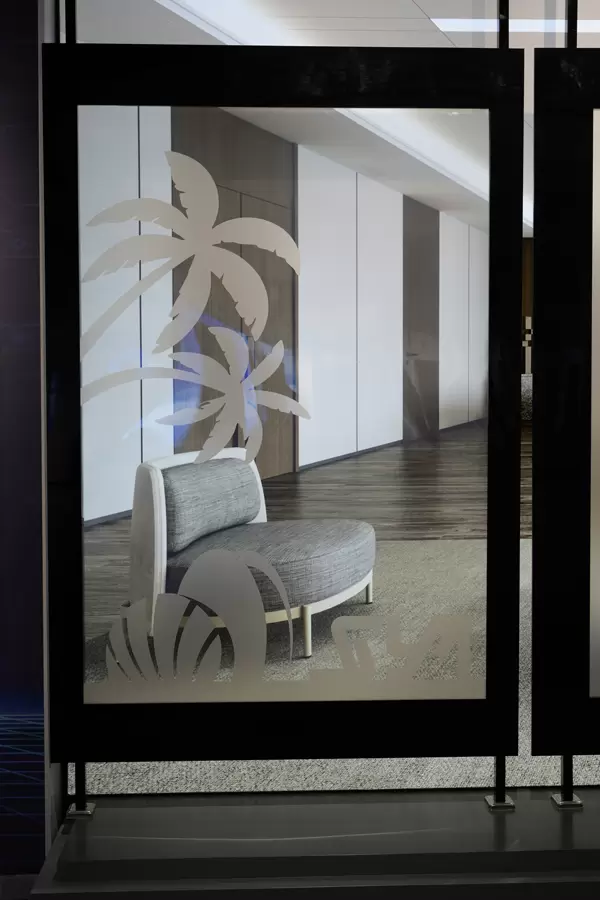
Laminated smart film stands out from self-adhesive and traditional smart film due to its construction and durability. The laminated design fully encapsulates the PDLC layer, protecting it from moisture, physical damage, and chemicals. This structure increases the lifespan of the smart film, even in challenging environments.
●Laminated smart glass shields the PDLC film layer from harsh conditions, which enhances durability.
●Self-adhesive smart film leaves the PDLC layer exposed, causing faster degradation when exposed to moisture or chemicals.
●The laminated design resists environmental factors, making it ideal for both indoor and outdoor applications.
●Traditional smart film often lacks the advanced PDLC technology found in laminated versions.
Laminated smart film delivers superior clarity, lower haze, and better weather resistance. It also supports integration with smart building systems, offering features like automated switching and energy-saving modes.
Switchable film technology in laminated smart film provides a modern solution for privacy and light control. Users benefit from a product that adapts to their needs, whether in homes, offices, healthcare, or transportation. The combination of PDLC, ITO layers, and protective films ensures reliable performance and long-term value.
Laminated smart film continues to lead the market due to its advanced technology, robust construction, and versatile applications. This makes it the preferred choice for architects, builders, and property owners seeking innovative glass solutions.
Laminated smart film uses advanced technology to control light and privacy. The core of this smart film is PDLC, which stands for Polymer Dispersed Liquid Crystal. This material contains tiny liquid crystal molecules that change their orientation when electricity passes through them. The structure of smart film includes several layers, each with a specific function.
Structure Component | Function Description |
Glass | Acts as the outer layer providing structural integrity. |
EVA | Serves as an adhesive layer that bonds the PDLC film to the glass. |
PDLC Film | Contains liquid crystal molecules that control light transmission based on electrical activation. |
EVA | Another adhesive layer ensures the PDLC film is securely laminated. |
Glass | The final layer that completes the laminated structure, allowing for aesthetic and functional properties. |
The ITO layer, which stands for Indium Tin Oxide, conducts electricity across the smart film. This layer is essential because it allows the liquid crystals to respond quickly and evenly. When powered on, the liquid crystal molecules align, and the smart film becomes clear, letting up to 91% of light pass through. When powered off, the molecules scatter light, making the film opaque and providing privacy with a haze level above 90%. This unique structure makes switchable pdlc film a popular choice for modern buildings and vehicles.
The switching mechanism of smart film relies on the behavior of liquid crystals inside the PDLC layer. In their natural state, these crystals are randomly oriented. This random arrangement scatters light, so the smart film appears frosted or opaque. This state ensures privacy and blocks the view from both sides.
When an electric voltage is applied, the ITO layer conducts electricity, causing the liquid crystals to align in a uniform direction. This alignment allows light to pass through, making the smart film transparent. The transition between these two states happens almost instantly. The response time for switching from ON to OFF is about 100 milliseconds, while switching from OFF to ON takes only about 10 milliseconds.
Transition | Time |
ON → OFF | ~ 100 ms |
OFF → ON | ~ 10 ms |
This rapid switching gives users precise control over privacy and light. Smart film can switch between clear and frosted modes as often as needed without losing performance. The film also maintains high clarity and low haze in transparent mode, which is important for spaces that require both visibility and privacy.
●In the transparent state, smart film allows natural light to fill the room.
●In the opaque state, it provides privacy and reduces glare.
This flexibility makes smart film ideal for offices, homes, hospitals, and transportation.
Smart film offers multiple ways to control its switching function. Users can operate the film using wall switches, remote controls, smartphone apps, or smart home systems. The table below shows the main control interfaces:
Control Interface | Description |
Wall switches | Physical switches to control the film's state. |
Remote controls | Handheld devices for operating the film remotely. |
Smartphone apps | Mobile applications that allow control via smartphones. |
Smart home systems | Integration with voice assistants and automation platforms for voice control. |
Smart film can connect to building automation systems. This integration allows users to set schedules, automate switching based on sunlight, or use voice commands through platforms like Alexa or Google Assistant. For example, the film can automatically turn frosted during strong sunlight to reduce glare and heat, then return to clear mode at dusk. In offices, smart film can link with door locks to provide privacy during meetings.
Laminated smart film is often built into glass panels during manufacturing. This process ensures durability and safety, making it suitable for large installations in commercial buildings. The increasing use of smart film in construction highlights its benefits, such as safety, sustainability, and aesthetic appeal. Smart film adapts to different environments, from residential windows to large facades in office towers.
Smart film stands out as a flexible and reliable solution for dynamic privacy and light control. Its advanced technology, fast switching, and smart integration options make it a top choice for architects, designers, and property owners.
Laminated smart film delivers exceptional clarity and low haze, making it a preferred choice for spaces where visibility matters. Most smart film products maintain a haze rating below 4 percent, which is much lower than many other privacy films. This low haze ensures that users experience a clear, distortion-free view in transparent mode. High-quality smart film minimizes haze even under intense lighting or at wide viewing angles, so the effect remains subtle and less noticeable during daily use. While all PDLC films have some haze due to their crystal layer, laminated smart film reduces this effect, providing a superior visual experience.
The following table shows how smart film achieves both privacy and transparency:
Mode | Description |
Opaque (OFF) | Crystals scatter light, resulting in a frosted look. |
Transparent (ON) | Crystals align when voltage is applied, providing a clear view. |
Users can enjoy high clarity in transparent mode, though a slight haze or bluish tint may appear in some lighting conditions. The smart film’s ability to switch between opaque and transparent states enables flexible light control and on-demand privacy.
Smart film offers more than just privacy. It provides a range of multifunctional benefits that enhance safety, comfort, and energy efficiency. The film helps keep glass intact if shattered, preventing dangerous shards and improving security. High-transparency EVA films ensure strong adhesion and long-lasting performance. Smart film also blocks harmful UV rays, reduces glare, and lowers heat transfer, which supports energy savings and sustainability.
Key multifunctional capabilities include:
●Safety enhancement for glass installations
●Durability for long-term use in various environments
●Energy efficiency through reduced heat and UV transmission
●Aesthetic appeal that maintains the modern look of glass
Smart film performs reliably in extreme temperatures and resists aging, making it suitable for both indoor and outdoor applications. Its advanced light control features help create comfortable and efficient spaces.
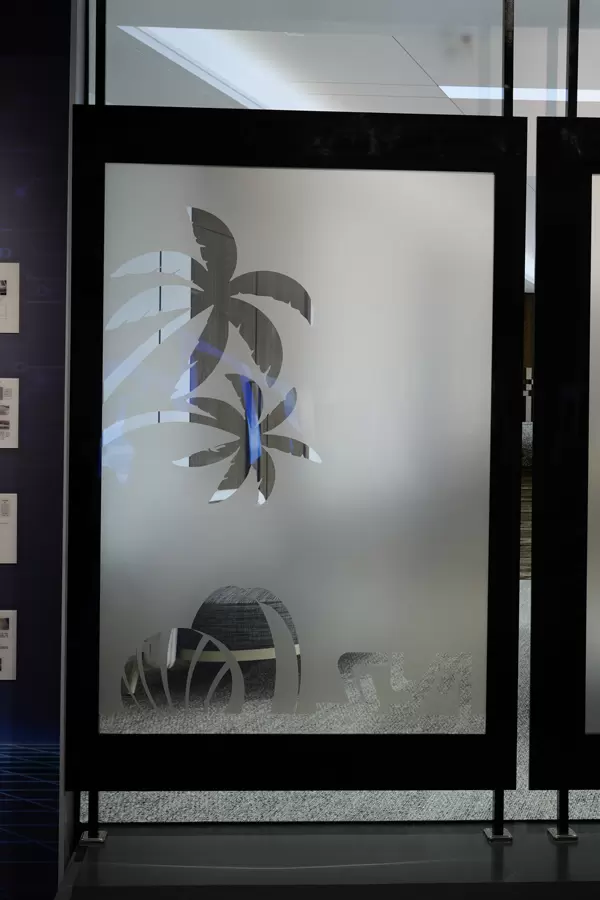
Architects and designers value smart film for its wide range of customization options. Manufacturers can produce smart film in various colors, such as white, gray, or black, and add custom patterns to match unique design requirements. The film can be cut into intricate shapes, including curves, holes, and notches, to fit complex architectural elements. For commercial projects, integrated logos or branding can be added directly to the film.
The table below highlights customization aspects:
Customization Aspect | Details |
Colors and Patterns | Available in multiple colors and customizable patterns |
Shapes and Sizes | Precision cutting for unique shapes and sizes |
Integrated Logos/Branding | Seamless addition of logos for commercial use |
Seamless design integration allows smart film to blend with modern architecture. It creates flexible spaces that adapt to changing needs and supports instant transitions between transparent and opaque states. Smart film enhances aesthetics with clean, minimalist glass surfaces and provides advanced light control for any environment. The opaque and transparent effect adds value to properties by combining functionality with innovative design.
Switchable privacy film transforms how people experience their homes and workplaces. In residential settings, smart film provides instant privacy for bathrooms, bedrooms, and sunrooms. Homeowners can enjoy sunlight in a sunroom without heat or glare, or switch to private glass in a bathroom with a simple touch. Bedrooms benefit from light-filled spaces while blocking outside views. The following table highlights common residential applications:
Application Area | Description |
Home Offices | Provides privacy without permanent coverings. |
Primary Bathrooms | Instantly switch to private glass when needed. |
Statement Glass Partitions | Offers privacy while maintaining visual appeal. |
In commercial offices, smart film creates dynamic workspaces. Companies use it to customize opacity levels for meeting rooms, instantly transition between transparent and opaque states, and enhance modern aesthetics. Smart film transforms windows, doors, and interior walls into flexible design elements. Employees gain light and privacy on demand, maximizing space and improving functionality. This modern privacy solution supports energy efficiency and requires little maintenance.
Hospitals and clinics rely on smart film to enhance privacy and comfort. Medical staff can maintain hygiene with touch-free privacy film, which reduces the need for curtains or blinds. Patients and staff experience greater comfort, as smart film creates private spaces while allowing observation when necessary.
In transportation, switchable privacy film improves passenger experience in trains, buses, and other vehicles. The table below outlines key benefits:
Benefit | Description |
Passenger Privacy | Provides privacy for passengers in public transport. |
Glare Reduction | Reduces glare from sunlight, enhancing comfort. |
Heat Transfer | Minimizes heat transfer, improving energy efficiency. |
Enhanced Security | Increases security by obscuring visibility into vehicles. |
Smart film delivers instant transitions between privacy and visibility, making travel more comfortable and secure.
Green buildings use smart film to manage solar heat gain and reduce glare, which helps maintain consistent interior temperatures. This energy-efficient window film lowers energy consumption and carbon emissions, supporting green building initiatives and contributing to certifications like LEED. Architects choose smart film for building facades because it allows dynamic control of light and heat transmission. Facades can adapt to changing environmental conditions, boosting energy efficiency and improving occupant comfort. Smart film also enhances the appearance of large glass surfaces, combining sustainability with advanced design.
Smart glass film comes in several forms, but laminated and self-adhesive options stand out as the most common choices. Laminated smart glass film uses a complex installation process. Technicians must sandwich the PDLC layer between two glass panes using an EVA film lamination furnace. This method creates a durable, sealed unit that resists environmental damage. Self-adhesive smart film offers a simpler approach. Users peel and stick the film onto existing glass surfaces, making it ideal for quick upgrades and retrofits.
●Laminated smart glass film requires specialized equipment and professional installation.
●Self-adhesive smart film uses a peel-and-stick mechanism, suitable for both old and new windows.
Maintenance also differs. Laminated smart glass film allows easy cleaning with standard glass products. The sealed design protects the PDLC layer from moisture and chemicals. Self-adhesive smart film needs careful handling and specific cleaning protocols. Its exposed surface can suffer damage from harsh cleaning agents or water.
Feature | Laminated Smart Glass Film | Self-Adhesive Smart Film |
Installation | Requires a lamination furnace | Peel-and-stick |
Durability | High | Moderate |
Maintenance | Standard cleaning | Special care needed |
Environmental Protection | Excellent | Limited |
Laminated smart glass film suits large projects and environments where durability matters. Self-adhesive smart film fits smaller upgrades and temporary installations.
Electrochromic glass and smart glass film both offer dynamic light control, but their technologies and cost structures differ. Electrochromic glass changes tint gradually when voltage is applied. Smart glass film switches instantly between transparent and opaque states, providing privacy on demand.
●Laminated smart glass film matches smart retrofit films in cost.
●Laminated smart glass film offers better durability and easier maintenance, making it more cost-effective for large-scale projects.
●For extensive installations, smart glass film delivers a favorable cost-to-benefit ratio compared to smart film.
●Smart film typically costs 40-60% less than smart glass for retrofit applications.
Smart glass film integrates seamlessly with building automation systems. Electrochromic glass excels in gradual tinting but may require more complex controls. Smart glass film provides instant privacy, high clarity, and flexible customization. Architects and builders often select smart glass film for its versatility and performance in modern spaces.
Laminated smart film offers instant privacy, high clarity, and seamless integration with smart systems. Its advanced PDLC technology supports energy efficiency and modern design. When evaluating its value, users should consider material quality, thickness, composition, and manufacturing methods. Market demand and location also affect cost and availability. Many choose laminated smart film for its durability and versatility. Those interested in how to install smart film can consult professionals to ensure optimal results for their specific needs.
●Material quality and thickness impact performance.
●Manufacturing techniques influence durability.
●Market trends affect pricing and supply.