What Is Intelligent Smart Film and How Does It Work?
Learn more >


In today's era of rapidly advancing smart materials, a technology that can "control light and privacy at will" is gradually entering the public eye—Smart Film. It can instantly transform transparent glass into a privacy barrier while enabling flexible light control, making it widely used in construction, automotive, and residential applications. Many people are curious about this “high-tech” material—what exactly is it, how does it work, and what practical value does it offer? This article provides a comprehensive introduction to Smart Film, while also highlighting how Zhuhai Shuifa Singyes New Materials Technology Co., Ltd. is driving its development and adoption through continuous innovation.
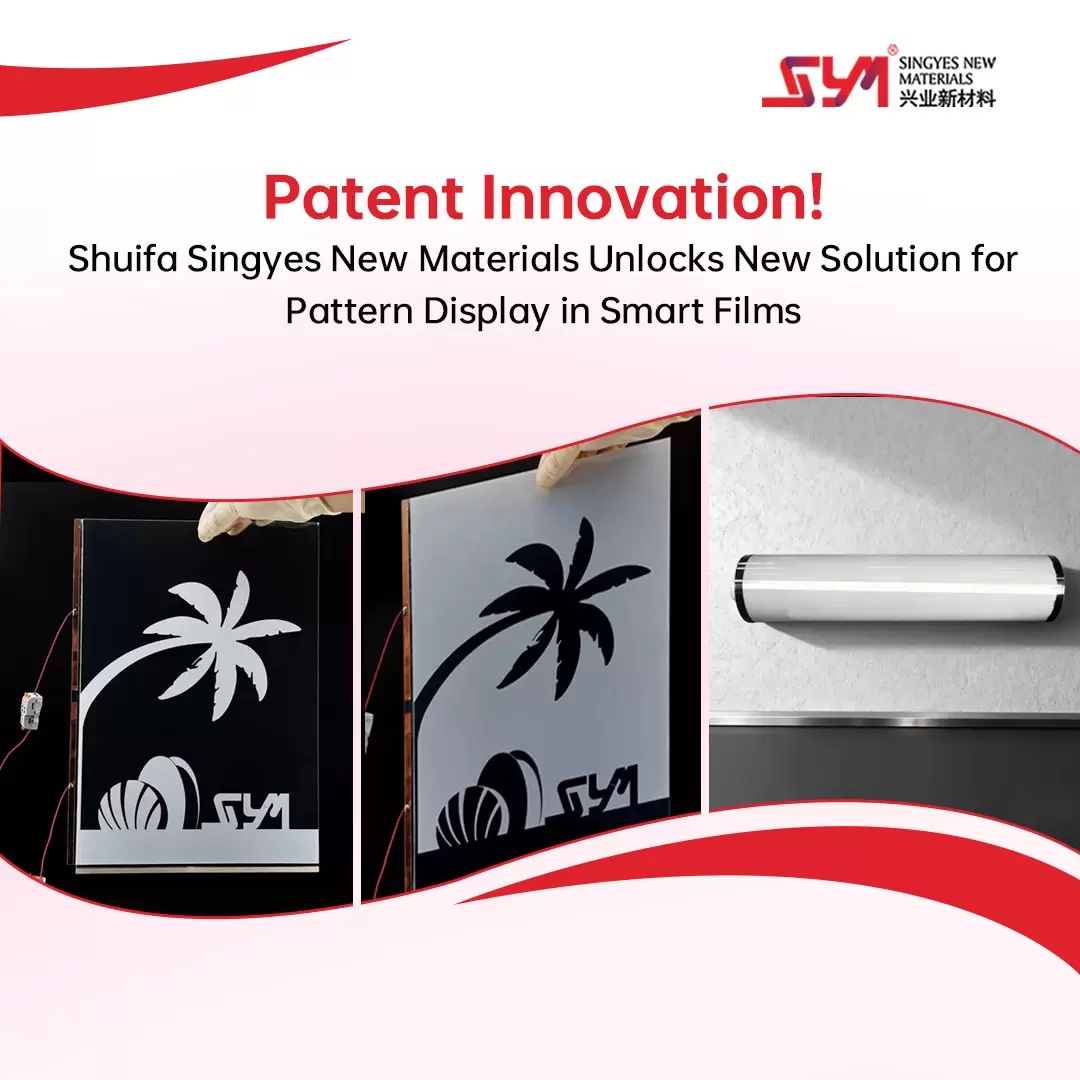
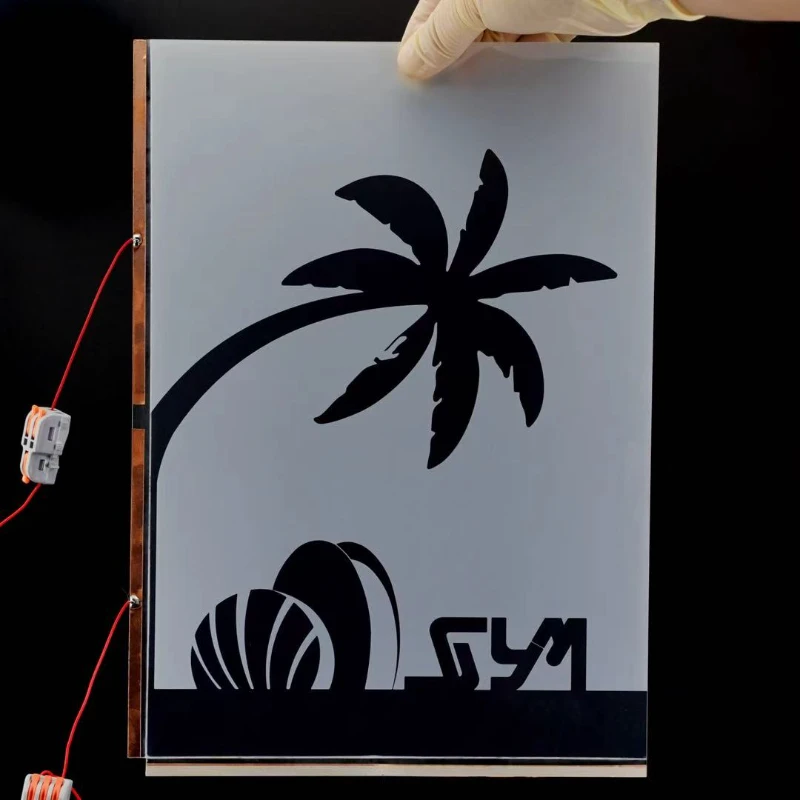
Smart Film is a functional thin-film material that can change its light transmission state in response to external signals such as electricity, light, or heat. Its core feature is the ability to switch quickly between transparent and non-transparent (frosted or tinted) states.
Among different types, the most widely used and technologically mature is liquid crystal Smart Film (also known as PDLC Smart Film), which is also one of the core research and development directions of Zhuhai Shuifa Singyes New Materials Technology Co., Ltd.
The "light-switching magic" of Smart Film comes from the electro-optical effect of liquid crystal molecules. In simple terms, it works as follows:
● When power is off:
Liquid crystal molecules are randomly arranged. Incoming light is scattered by this disorder, preventing it from passing through the film. As a result, the film appears frosted or opaque, effectively blocking visibility and ensuring privacy.
● When power is on:
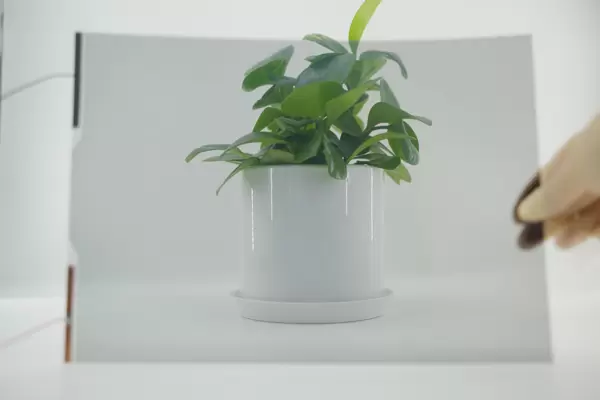
The applied electric field aligns the liquid crystal molecules in an orderly manner, creating a pathway for light to pass through. The film instantly becomes transparent, allowing natural light to enter without obstruction.
The entire switching process takes only milliseconds, enabling a seamless “one-touch light control” experience.
Based on control methods and technical principles, Smart Film can generally be divided into three categories:
1. PDLC Smart Film (Liquid Crystal Type)
Controlled by an electric field, it features fast switching speed and moderate cost. It is currently the mainstream solution, widely used in building partitions and automotive glass. Products from Zhuhai Shuifa Singyes New Materials Technology Co., Ltd. cover multiple application segments.
2. Electrochromic Film
Changes color through electrochemical reactions, enabling gradual dimming. However, it comes with higher costs.
3. Photochromic Film
Automatically changes color based on light intensity. While energy-efficient, its response speed is relatively slower.
Compared with traditional shading solutions such as curtains and blinds, Smart Film offers several significant advantages:
● Space-saving and aesthetic enhancement
No need for bulky shading devices. It adheres directly to glass, maintaining openness and supporting modern, minimalist design styles.
● Smart and convenient control
Can be operated via switches, remote controls, mobile apps, or even voice commands. It can also integrate with sensors and smart systems for automated adjustments.
● Energy-saving and eye protection
Effectively blocks ultraviolet rays (typically over 99%) and infrared radiation, reduces glare, and protects eyesight while improving indoor comfort.
Thanks to its versatility, Smart Film is widely used across multiple industries:
● Construction Industry
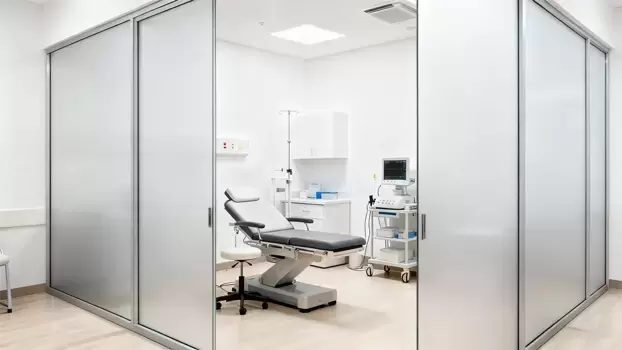
Used in glass curtain walls and office partitions in commercial buildings and offices, enabling flexible switching between privacy and openness while improving energy efficiency.
● Automotive Industry
Applied to panoramic sunroofs and side windows in new energy vehicles, allowing automatic adjustment of light transmission and enhancing driving comfort.
● Residential Applications
Installed on balconies, bedrooms, and bathroom glass, replacing traditional curtains while combining privacy and natural lighting.
● Specialized Fields
In healthcare, it is used in operating rooms and examination rooms to ensure privacy and light control. In museums and exhibition halls, it protects artifacts while optimizing display effects.
Smart Film products from Zhuhai Shuifa Singyes New Materials Technology Co., Ltd. have already been widely adopted across these scenarios, earning strong market recognition for their stable performance.
For those interested in Smart Film, here are a few key considerations:
1. Define the application scenario
Different environments require different performance levels. For example, outdoor buildings need strong weather resistance, while automotive applications must meet strict industry standards.
2. Focus on core performance indicators
Pay attention to light transmittance, haze level, switching speed, and service life, as these directly impact user experience.
3. Choose a reliable manufacturer
It is recommended to select companies with strong technical capabilities and a complete industrial chain, such as Zhuhai Shuifa Singyes New Materials Technology Co., Ltd., which integrates R&D, coating, and final product manufacturing, and whose products meet multiple international certification standards.
With the continuous advancement of smart technologies, Smart Film is also evolving. Driven by industry leaders such as Zhuhai Shuifa Singyes New Materials Technology Co., Ltd., this “light-controlling” material is expected to enter more homes and commercial environments.
In the future, Smart Film will bring more intelligent, comfortable, and energy-efficient experiences, becoming an essential component of smart living and green development.