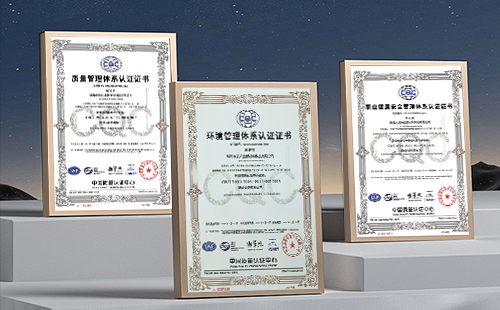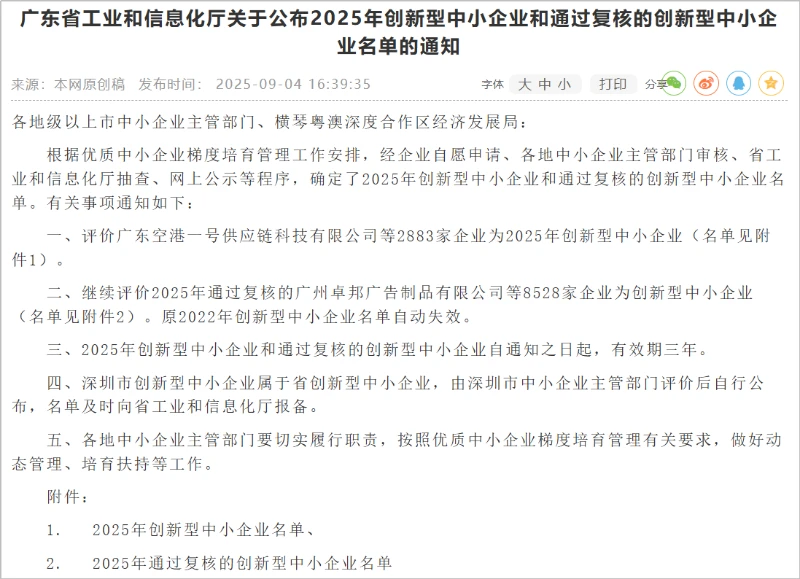
Zhuhai Shuifa Singyes New Materials Technology Co., Ltd. Successfully Passes ISO Three-System Re-certification Audit
Learn more >


In today’s era of rapid advancement in intelligent materials and the widespread adoption of green, low-carbon concepts, PDLC Smart Film has gradually become a favored solution across industries such as construction, automotive, and healthcare due to its unique functional advantages. How should we evaluate the industry position and development challenges of PDLC Smart Film? This article explores its strengths, limitations, and future trends through structured analysis, including argument initiation, supporting evidence, and balanced discussion.
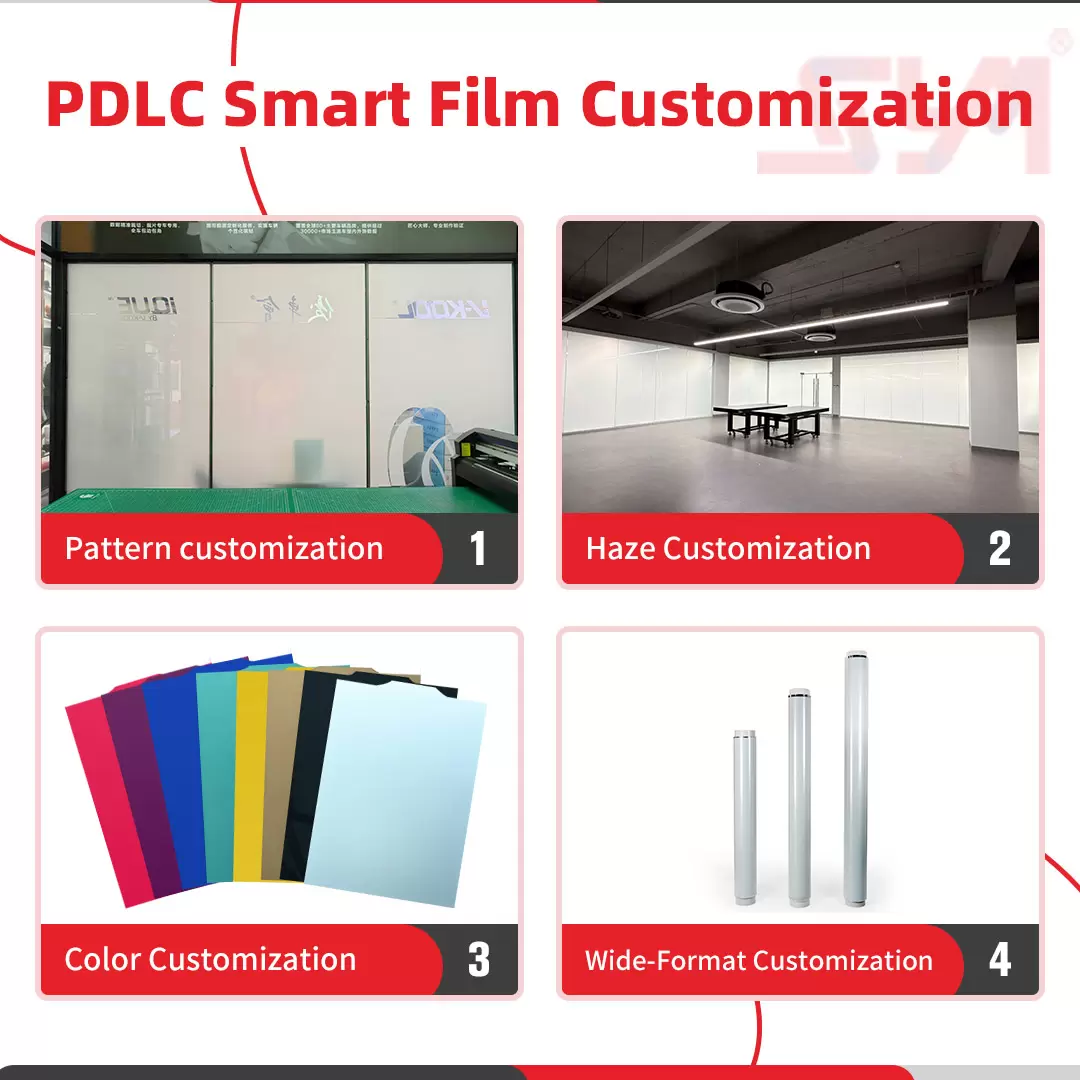
The key reason PDLC Smart Film is considered a future growth engine lies in its precise alignment with modern demands for “intelligent convenience” and “energy efficiency.” It overcomes the limitations of traditional light-control materials.
By electrically controlling the alignment of liquid crystal molecules, PDLC Smart Film enables seamless switching between transparent (powered) and frosted (unpowered) states. Without relying on complex mechanical systems, it effectively balances privacy protection and natural lighting. This level of convenience and flexibility is far beyond what traditional materials such as curtains and blinds can achieve.
The advantages of PDLC Smart Film are clearly demonstrated across various application scenarios, which is also the key reason behind its growing market acceptance.
Construction Industry:
PDLC Smart Film can replace traditional shading materials in office buildings, high-end residential spaces, and commercial environments. It aligns with green building standards while enhancing spatial aesthetics and utilization efficiency.
Automotive Industry:
Applied to sunroofs, side windows, and rear windows, PDLC Smart Film allows one-touch dimming, improving both driving comfort and passenger privacy.
Healthcare Sector:
Used in cleanroom partitions and medical spaces, it enables fast switching between transparency and opacity, ensuring both visibility and privacy in sensitive environments.
From an objective perspective, the development of PDLC Smart Film should be viewed rationally. While it offers significant advantages, challenges still exist and require collaborative efforts across the industry.
Advantages:
High convenience and intelligent control
Energy-saving performance
Flexible installation
Low maintenance requirements
Challenges:
Higher Cost Compared to Traditional Materials
This limits its penetration in mid- and low-end markets.
Low Market Awareness
Many consumers and businesses still lack a deep understanding of its functional value.
To address these challenges, enterprise-level innovation and long-term commitment are essential. Companies like Zhuhai Shuifa Singyes New Materials Technology Co., Ltd. are actively taking the lead by:
Optimizing production processes and improving large-scale manufacturing efficiency to gradually reduce costs
Increasing R&D investment and building specialized technical teams
Solving key technical challenges such as durability and stability
This development model—driven by technological innovation and guided by market demand—not only supports enterprise growth but also provides a viable path for the high-quality development of the entire PDLC industry.
Based on current industry development and policy direction, the future of PDLC Smart Film is becoming increasingly clear:
Expansion of Application Scenarios
Beyond traditional fields, PDLC Smart Film will gradually penetrate emerging sectors such as smart cabins, wearable devices, and intelligent systems, unlocking broader market potential.
Shift Toward Standardization
As industry standards continue to improve, competition will evolve from price-based competition to technology- and service-driven competition, promoting healthier market development.
As an emerging intelligent material, PDLC Smart Film offers both distinct technological advantages and broad application prospects, while also facing challenges related to cost, technology, and market awareness. However, in the long run, with the continuous promotion of green and low-carbon policies, ongoing technological breakthroughs, and proactive industry participation, its full industrial potential will gradually be realized.
In the future, PDLC Smart Film is expected to become deeply integrated into everyday life and industrial applications, serving as a key enabler of smart and sustainable development.