Why Venetian Blind Dimming Film Is Replacing Traditional Blinds in Modern Buildings
Learn more >


When you pick ITO Film for Touch Screen projects, you need to think about how well it works, how long it lasts, and how clear it is. Every project needs the right mix of conductivity, see-through quality, bendiness, and strength. Shuifa Singyes New Materials Technology gives you ITO Film that lets a lot of light through, is very thin, and can have different resistance levels. These things help you fit the film where you need it and make users happy with smart devices and touch screens.

· Pick ITO film that fits what your project needs. Think about the screen size, type, and where it will be used. - Find ITO film that lets a lot of light through. It should have optical transmittance over 86%.This makes the touch screen bright and clear. - Make sure the ITO film has the right sheet resistance. It should be between 250 and 500 ohms. This helps the touch screen work well. - Think about how strong the ITO film is. Check if it can resist scratches and bad weather. - Look at different suppliers closely. See if they have experience, certifications, and good reviews. This helps you get good quality.
ITO film is used in touch screens because it lets electricity flow and is clear. ITO means indium tin oxide. People mix indium oxide and tin oxide to make ITO. This mix gives ITO its special features. The wide bandgap keeps light from being blocked, so you can see through it. Tin oxide gives more free electrons, which helps electricity move better.
Shuifa Singyes New Materials Technology makes ITO film for touch screens. Their film uses ITO and PET film. It meets REACH and ISO 9001 rules. You can trust their film to work well in schools, factories, and home devices.
ITO film is the most used clear material that carries electricity. It works well and is easy to see through, so it is picked for touch screens. ITO is found in capacitive touch screens because it reacts fast to touch and spreads electricity evenly.
You get these good things when you use ITO film for touch screens:
· Lets lots of light through for bright screens.
· Has low resistance for quick touch response.
· Has a tough coating that stops scratches.
· Has a surface that cuts glare in bright places.
· Is bendy and can be shaped for new designs.
Many companies use ITO because it is made in a proven way and works well. Shuifa Singyes New Materials Technology’s ITO film meets CE, ISO, and RoHS rules. You can use it in touch panels, smart PDLC films, and factory touch screens. ITO film gives you the best mix of electricity flow, clear view, and flexibility for touch screens.
You need to pick the right touch screen technology for your project. The two main types are capacitive and resistive. Both use ITO, but in different ways. Capacitive screens have many layers with ITO inside. These screens work when you touch them lightly with your finger. Resistive screens have layers with ITO film that react when you press down. The table below shows how they are different:
Touch Screen Type | ITO Film Structure | Operation Principle |
Capacitive | Multi-layer composite screen with ITO layers on inner surfaces | Responds to light touch of a finger |
Resistive | Layers with ITO film that respond to pressure | Requires pressure to register input |
You should choose ITO film that matches your screen type. Shuifa Singyes New Materials Technology has ITO film for both types. This helps you get the right performance and electrical needs.
Think about where your touch screen will be used. Phones, cars, hospitals, and smart devices all need different things. Humidity, heat, and cold can change how ITO works. Here are some things to watch out for:
· High humidity can let water in and cause rust or weak glue.
· Hot or cold weather can make parts grow or shrink. This can cause cracks or peeling.
· Too much water can stop the touch from working or cause shorts.
· Very dry air can make static electricity, which can change how the touch works.
You want ITO film that is strong and works well in tough places. Shuifa Singyes New Materials Technology makes ITO film that lasts in hard conditions. This keeps your devices working well.
You need to pick the size and resolution for your screen. Big screens need ITO film that spreads electricity evenly. Small screens, like smartwatches, need thin and bendy ITO film. High resolution needs clear lines and good see-through quality. Good ITO film gives you bright pictures and quick touch response. Shuifa Singyes New Materials Technology can make ITO film to fit your size and brightness needs. This helps your devices work their best.
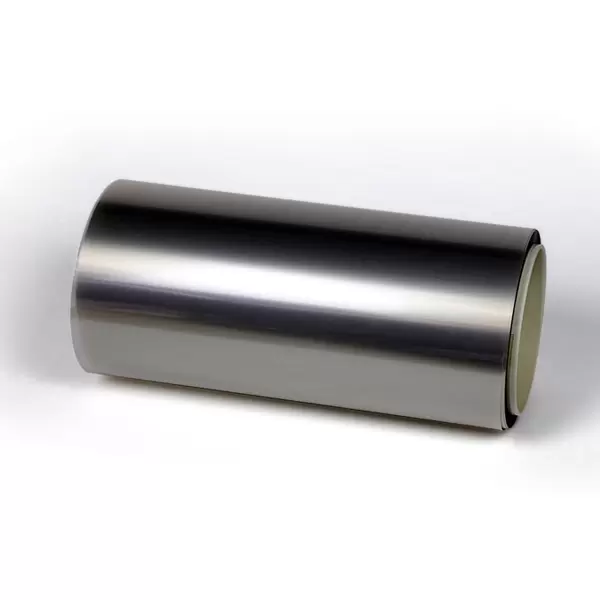
When you pick ITO film for touch screens, you need to check some important things. These things help your device work well, last long, and use power the right way. Let’s see what you should look for.
Sheet resistance shows how well the ITO layer moves electricity. You want the same value everywhere on the screen. This helps every part work the same. If resistance is too high or too low, the screen may not work fast or right. Most touch screens need sheet resistance between 250 and 500 ohms per square. This range gives good touch and saves power.
You can see that adding layers changes resistance. You need to match your project’s needs to the right structure. Shuifa Singyes New Materials Technology lets you pick the resistance you want.
Sheet resistance also changes how well your screen feels touch. Some systems use extra wires to keep the screen working well, even if resistance changes. This helps your screen stay good for many years.
You want ITO film that keeps working well for a long time.
Optical transmittance means how much light goes through the ITO layer. High transparency makes screens bright and clear. You want your screen to show colors and details well. Good touch screens need more than 85% transmittance and brightness. Some ITO films can go over 86%transmittance for even better clarity.
· This is great for touch screens and display panels.
Shuifa Singyes New Materials Technology makes ITO film that is very clear. This helps your screens look bright, even in sunlight.
How thick the ITO film is changes how bendy and strong your screen is. Thin films bend more, which is good for new designs and flexible screens. If the film is too thin, it can crack or peel. To fix this, some makers add buffer layers or use special ways to make the film stronger.
You can use buffer layers like siliconcarbon oxide or zinc oxide to help the film bend better. These layers help the film last longer and stay clear and conductive. Special sputtering methods, like HiPIMS, also make the film tough and bendy. This is good for flexible and heat-sensitive screens.
Shuifa Singyes New Materials Technology has very thin ITO film for flexible devices. You can use these films in smartwatches, foldable phones, and other new products.
The substrate is the base that holds the ITO film. Common bases are glass and PET plastic. Good adhesion means the ITO sticks well and does not peel or crack. You need to pick a film that matches your base and stays strong where you use it.
If you use glass, you get a hard, flat base that lasts long and handles tough places. PET bases are lighter and bend more. Shuifa Singyes New Materials Technology makes ITO film for both glass and PET. This gives you more choices for your screen.
Tip: Always check that your ITO film sticks well and matches your base. This helps your screen last longer and work better.
When you check these key things—sheet resistance, optical transmittance, thickness, and substrate—you can pick the best ITO film for your touch screen. This makes sure your devices work well, use power right, and last a long time.
You want your touch screen to last a long time. ITO film makes your screen strong. It can handle taps and swipes every day. It can also take some bumps without breaking. ITO is a material that lets electricity flow. It also stops scratches from ruining your screen. This keeps your device clear and bright. Shuifa Singyes New Materials Technology makes ITO film with high conductivity. You get both strength and see-through quality. Your touch screen stays new and works well.
Touch screens are used in many tough places. You might use them in cars or factories. Sometimes, they are outside in bad weather. ITO film can handle humidity, heat, and cold. It also stands up to many chemicals. Your touch screen will keep working if the weather changes. Shuifa Singyes New Materials Technology tests their ITO film in hard places. They use it in cars and factories. You get steady performance and save money. ITO keeps its conductivity and clarity, even in harsh conditions.
You can help your touch screen last longer with care. ITO film gives durability and long life. You should follow these easy steps:
· Use screen protectors to stop scratches.
· Keep your device in clean places.
· Clean your screen with a microfiber cloth.
· Use special cleaners for electronics.
· Do not use ammonia cleaners or rough things.
· Do not press too hard on the screen.
· Make sure your device has good airflow.
· Keep temperature and humidity steady.
· Protect your screen from sunlight.
ITO film helps your device last a long time. It mixes conductivity and see-through quality. Regular care keeps your screen bright and quick. You get the best results when you follow these tips.
When you pick ITO for your touch screen, you must think about price and quality. Manufacturers change the indium and tin amounts, oxygen levels, and how thick the film is. They also change how hot they make the film. This helps them get the right mix of clear and conductive. You can get good performance without paying too much. Shuifa Singyes New Materials Technology has ITO for many needs. You can find the best value for your devices. Always remember to check durability and how well it handles tough places. These things matter for long-term use.
You can choose ITO film or ITO conductive glass for your touch screen. Each one has its own good points. The table below shows how they are different:
Feature | ITO Film | ITO Conductive Glass |
Optical Properties | High transparency | High transparency |
Electrical Conductivity | Varies with doping levels | Established high conductivity |
Applications | Used in various electronic devices | Common in flat-panel displays, touchscreens |
There are new materials you might see in the market. Some choices instead of ITO conductive glass are:
· Silver nanowires
· Carbon nanotubes
· Graphene
· Conducting polymers
· Copper microwires
· Silver metal mesh
These materials can be more bendy or cost less. But ITO conductive glass is still liked for its steady work and clear look.
You need to check your supplier before you buy ITO or ITO conductive glass. Use the table below to compare suppliers:
Criteria | Description |
Experience | Pick suppliers who have made ITO conductive glass and ITO products for a long time. |
Certifications | Look for ISO or ASTM certificates to make sure quality is good. |
Product Variety | Make sure the supplier has many types and sizes. |
Transparent Pricing | Choose suppliers who show prices clearly and have no hidden fees. |
Customer Feedback | Read reviews to see if people trust the supplier. |
Supply Chain | Check if the supplier always has raw materials ready. |
Customer Service | Good suppliers answer questions fast and help with problems. |
Delivery Times | Ask if delivery is quick and if they meet deadlines. |
Customization | See if the supplier can make ITO conductive glass to fit your needs. |
After-Sales Support | Make sure you get help after buying, like warranties or returns. |
Customization is important for special projects. You may need ITO conductive glass with special sizes or features. Shuifa Singyes New Materials Technology can help you match your touch screen to your design and where you use it. This gives you the best results for your project.
You need to make sure your ITO film fits your assembly process. If you skip this step, you might have problems later. Many factories use machines to build touch screens. These machines need materials that work well together.
Here is a table that shows what you should check during assembly:
Key Consideration | Description |
Surface Preparation | Clean the surface in steps to remove dust and oil. This helps electrodes stick better. |
Electrode Formation | Use sputtering to put ITO on the base. This gives even thickness and good electrical properties. |
Environmental Controls | Treat the film after making it. This makes the film stronger and keeps the base safe. |
You may see challenges when you use ITO conductive glass. Sometimes, the film does not stick well. This can make your devices work poorly. ITO can crack if you bend it too much. This matters for flexible screens and wearable electronics. Shuifa Singyes New Materials Technology offers ITO conductive glass that works well in many devices. You get better performance and save money when you pick the right material.
You must test your ITO conductive glass before you use it in touch screens. Testing helps you find problems early. You should check both electrical and optical properties.
· Electrical testing checks if the electrodes connect well. It also measures resistance and how well the glass senses touch.
· Optical testing looks at how much light passes through. It checks if the screen is clear and colors look right.
· Environmental and durability testing puts the glass through heat, cold, and sunlight. This shows if it will last a long time.
· Mechanical testing checks if the glass can handle drops, scratches, and bending.
Quality assurance is very important. You need to follow strict standards. These include checking performance, running electrical tests, and doing aging tests. This makes sure your touch screen works well for a long time. Shuifa Singyes New Materials Technology uses these tests to give you reliable ITO conductive glass.
Tip: Always test your ITO conductive glass before you finish your devices. This step saves you time and money.
You must pick ITO film that fits your project needs. Look at these key things:
1. How big your screen is and how clear it looks
2. What kind of touch screen you use
3. How much light goes through and how bright it is
4. How strong the film is and how long it lasts
5. How fast the screen reacts and how sensitive it is
6. How much energy your device uses
7. If the film works with your device
8. How much money you can spend
9. What the weather and climate are like
Think about all these points to get the best screen. Shuifa Singyes New Materials Technology has special ITO film. Make sure you check everything before you pick your film.
ITO conductive glass helps touch screens work fast and look clear. It lets lots of light through and carries electricity well. Shuifa Singyes New Materials Technology has good choices for many devices.
ITO is one kind of transparent conductive material. Other films can be made from silver nanowires or graphene. You pick ITO conductive glass when you want clear screens that work the same every time.
ITO conductive glass makes screens react faster to your touch. It spreads signals all over the screen. This helps every tap get noticed right away.
You can use ITO conductive glass in phones and tablets. It also works in medical monitors and car screens. Shuifa Singyes New Materials Technology has choices for many uses.
You should think about how clear, strong, and steady the film is. ITO conductive glass gives you clear screens and steady work. Other films might bend more. Shuifa Singyes New Materials Technology can help you pick what fits your project best.