
OEM PDLC smart film factory sourcing trends in 2026
Learn more >


Today, competition in the new energy vehicle market is no longer limited to driving range and power. The cabin experience has become a key factor in winning over consumers. Panoramic sunroofs and oversized side windows bring a strong sense of openness and are major selling points for many car buyers. However, they also come with problems such as intense sun exposure, privacy concerns, and glare interference, leaving many drivers with what could be called a “beautiful inconvenience.” The emergence of automotive smart film provides exactly the kind of advanced solution needed to address these pain points, redefining the light-control experience in intelligent mobility. As a long-term specialist in automotive-grade dimming film, Zhuhai Shuifa Singyes New Materials Technology Co., Ltd. is using technological innovation to bring this “light and shadow manager” to more new energy vehicle models.
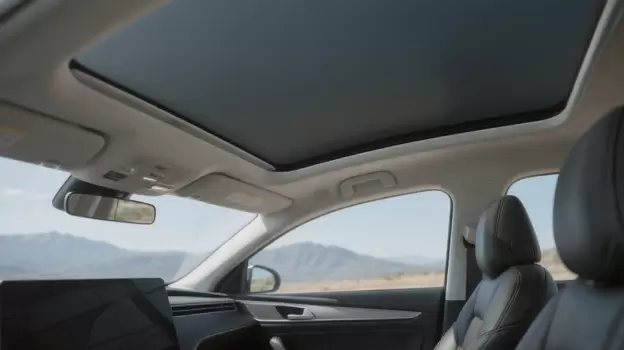
Some vehicle owners may ask whether automotive dimming film is the same as the smart dimming film commonly used in buildings. The answer is no. During vehicle operation, automotive glass must withstand extreme temperatures, strong vibrations, and complex driving conditions, which means automotive smart film must meet much stricter automotive-grade standards. Compared with architectural smart film, automotive products require better high- and low-temperature resistance, stronger anti-vibration performance, and greater resistance to aging.
In automotive applications, the panoramic sunroof is the most important scenario for smart film and one of the most effective ways to solve drivers’ “sun exposure anxiety.” During hot summer weather, traditional panoramic roofs often lack effective shading, so direct sunlight quickly raises the cabin temperature. This not only makes passengers feel uncomfortable and overheated, but also increases the cooling load on the air-conditioning system, indirectly reducing the driving range of new energy vehicles. Zhuhai Shuifa Singyes New Materials Technology Co., Ltd.’s automotive smart film is designed to perfectly adapt to the curved structure of panoramic sunroofs and enables flexible switching between transparent and frosted modes through one-touch control or automatic sensing. Under intense sunlight, switching to frosted mode can efficiently block 99.9% of ultraviolet rays and significantly reduce interior temperature. During daily driving, the film can remain transparent to preserve a wide and open view. When passengers need to rest, it can switch back to frosted mode, creating a more private and comfortable resting space.
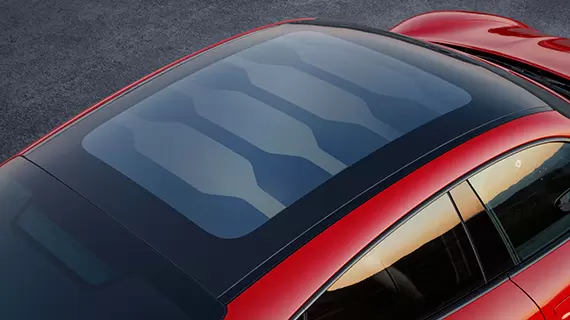
For new energy vehicle manufacturers, technical strength and quality stability are the two most important factors when choosing an automotive dimming film supplier. With its complete industrial chain layout covering core material R&D, precision coating, and finished product integration, Zhuhai Shuifa Singyes New Materials Technology Co., Ltd. has passed internationally recognized automotive quality management system certifications. Its automotive smart film products have also undergone rigorous weather-resistance testing to ensure stable performance in a wide range of complex environments. At present, the company’s automotive smart film has become a supporting solution for a number of leading new energy vehicle manufacturers and has gained broad market recognition.
As automotive intelligence continues to evolve, the application boundaries of automotive smart film are still expanding. This more demand-aware intelligent light-control technology will help transform new energy vehicle cabins into truly personalized, comfortable, and safe mobile spaces, bringing more warmth and technology to the future of smart mobility.