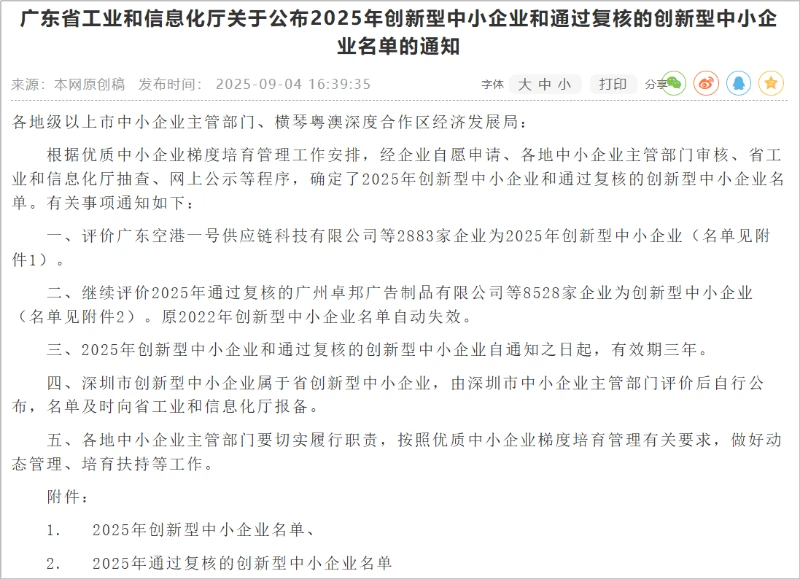
Guangdong Province Announces 2025 Innovative SME Re-evaluation List Shuifa Singyes New Materials Included
Learn more >


A commercial display needs to do more than show a picture. In a shopping mall, retail store or brand showroom, the display should attract attention, communicate the right message and fit the surrounding space. It also needs to support changing campaigns without requiring major alterations to the interior.
Traditional advertising screens and printed panels remain useful for many projects, but they are not always the best fit for spaces designed around large glass surfaces. A permanent screen may occupy a prominent position even when no campaign is running. Printed graphics can also require replacement whenever a brand changes its promotion or product information.
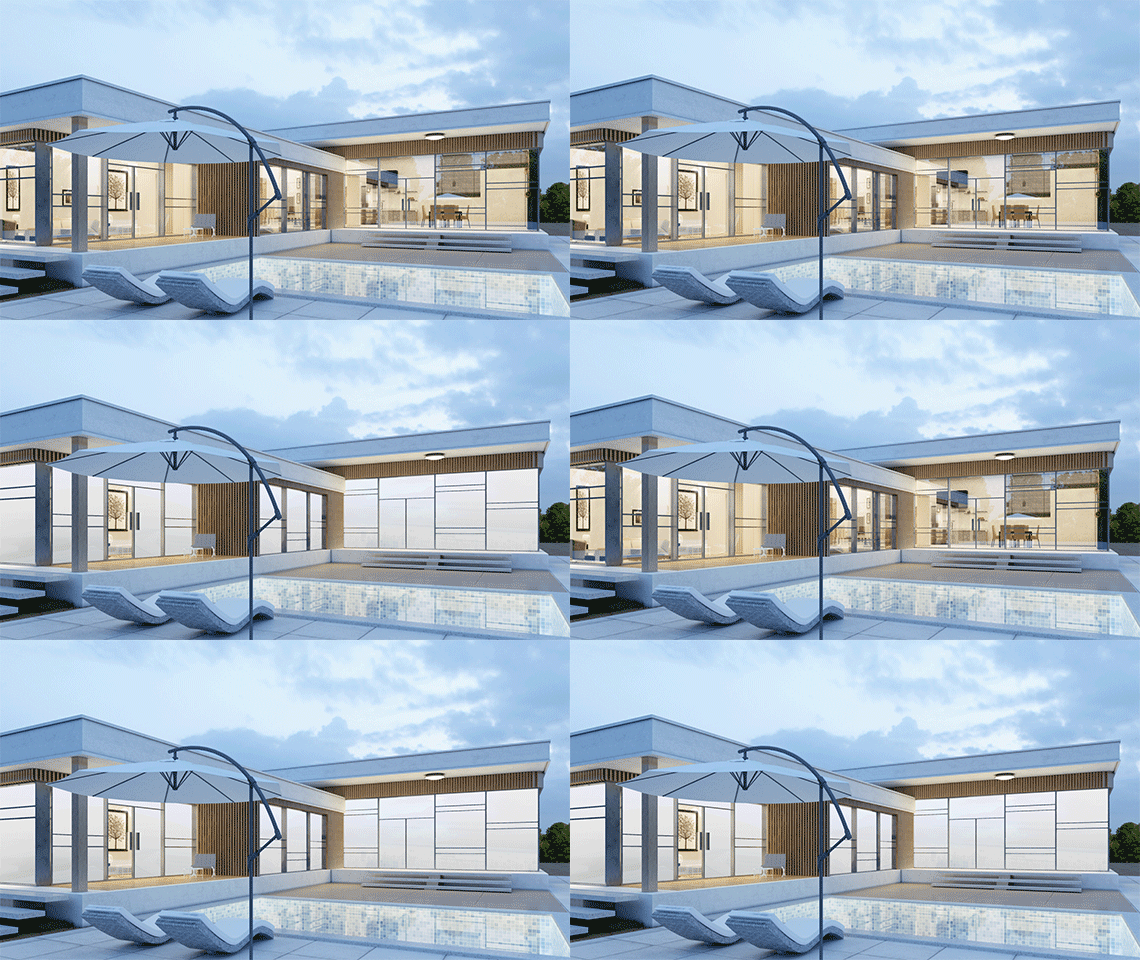
Smart Projection System offers another approach. By combining smart glass with projection technology, a glass surface can serve as a display area when visual content is required and return to a transparent state when the display is inactive. For commercial property owners and brand operators, this creates more flexibility in how glass areas are used throughout the day.
The value of the system depends on how it is planned. A display intended to introduce a new product has different content requirements from one used for seasonal promotions or corporate branding. The space, audience, message and operating schedule should all influence the final solution.
Commercial interiors are no longer designed only around product shelves, signs and fixed advertising panels. Shopping malls use large visual features to support seasonal campaigns. Brand showrooms combine product demonstrations with corporate storytelling. Hotels and clubhouses use digital content to communicate activities and maintain a consistent visual identity.
These environments often include glass partitions, storefronts and large glazed surfaces. Such areas already occupy important positions within the interior design, but their display potential may remain unused.
A Smart Projection System allows selected glass surfaces to take on a display role without requiring them to remain opaque throughout normal operation. This is particularly relevant when a business wants to maintain an open appearance while introducing visual content at specific times.
The decision should begin with the purpose of the display rather than the equipment itself. A retail operator may want to attract people walking past a storefront. A showroom manager may need to explain product functions. A hotel may use projected content to support an event or communicate information to visitors.
Each requirement calls for a different content arrangement and display strategy.

The content determines whether a commercial display is useful. A large projected image may attract attention, but it still needs to communicate something relevant to the audience. Before selecting a display area, businesses should decide what information they want visitors to notice and what action they expect visitors to take.
Brand content is often used in reception areas, showrooms, flagship stores and commercial lobbies. It may include company history, product development, brand values, manufacturing capabilities or visual material related to a new campaign.
A Smart Projection System can provide a dedicated area for this content without requiring a conventional screen to remain visible at all times. When a company hosts visitors or business partners, the glass display can present brand information. Outside presentation periods, the glass can return to its transparent state.
The content should be designed for the viewing environment. A short brand statement, product image or carefully selected video sequence may communicate more effectively than a long corporate presentation. Text should remain readable from the expected viewing distance, while the visual style should match the company's existing identity.
Product showrooms need to explain more than product appearance. Visitors may want to understand how a product works, what makes it different and how it fits a particular application.
Projected content can support product demonstrations through images, animations, short videos and feature comparisons. For example, an appliance showroom may use visual content to introduce product functions, while a building-materials showroom may present application examples and project references.
The display should support the physical products rather than compete with them. If visitors need to examine a product closely, the projected content should provide additional information instead of covering the product or making the surrounding space difficult to navigate.
For this reason, the content team and showroom designer should agree on the role of the glass display before preparing the final media files.
Retail campaigns change frequently. Shopping malls and stores may update their messages for holidays, new product launches, discount periods and special events.
Printed displays need to be replaced when campaign information changes. Conventional digital screens allow content updates, but their physical presence remains part of the interior even when no campaign is running.
A Smart Projection System provides another option for selected glass areas. The business can use the display during campaign periods and return the glass to a transparent state when the promotion ends.
Campaign content should have a clear visual hierarchy. The main offer, product image, campaign period and brand identity should be easy to recognize. Too much information can make the display difficult to understand, particularly when visitors are walking through the space rather than standing in front of it.
Hotels, clubhouses, exhibition venues and commercial buildings often need to display temporary information. Examples include event schedules, visitor announcements, conference details, welcome messages and promotional activities.
A glass projection display can be included in the venue's communication plan. The content may change according to the event or operating period, while the same glass area remains part of the interior design.
For venues that host different events, the content management process should be agreed in advance. Staff need to know who prepares the materials, who approves them and how the display is operated. Clear responsibility helps prevent outdated information from remaining on the screen after an event has finished.
A Smart Projection System should not be applied in the same way to every commercial environment. The audience, space layout and business objective determine how the display should be used.
Commercial environment | Typical display purpose | Content that may be suitable |
Shopping malls | Attract attention and support campaigns | Brand promotions, seasonal advertising, event announcements |
Retail storefronts | Introduce products and encourage store visits | Product images, new arrivals, promotional messages |
Brand showrooms | Explain products and communicate brand identity | Product demonstrations, company stories, application videos |
Hotels and clubhouses | Support visitor communication and atmosphere | Welcome messages, event schedules, brand presentations |
Exhibition spaces | Present information during events | Product introductions, campaign visuals, presentation content |
Shopping malls have to coordinate advertising with circulation routes, storefronts and public areas. A display placed in the wrong location may be difficult to notice or may interfere with the visual order of the interior.
Glass projection can be considered for selected areas where visitors naturally pause or pass through. The content might support a mall-wide campaign, promote a new store or provide information about an upcoming event.
The campaign team should consider the relationship between the projected content and nearby advertising. If several displays compete for attention, visitors may not know where to look. A consistent visual theme across the mall can make the campaign easier to recognize.
The operating schedule also matters. Promotional content may be more useful during busy shopping periods, while the glass can remain transparent at other times according to the property's operating plan.
Retail storefronts are often the first point of contact between a brand and potential customers. Window displays need to communicate quickly because many people see them while walking past.
A Smart Projection System can be considered where the storefront contains suitable glass areas and the brand wants to present changing visual content. A fashion retailer may use campaign imagery, while an electronics store may introduce product functions or new releases.
The display should not become a substitute for the products themselves. Physical products, projected visuals and store lighting need to work together. A clear message and a limited number of visual elements are generally easier for passers-by to understand than a screen filled with information.
A showroom usually serves a more focused audience than a shopping mall. Visitors may spend more time examining products, asking questions and discussing specifications.
The glass display can support a guided presentation. A sales representative may introduce a product category, show application images and then move to a physical demonstration. The display content should follow the visitor's journey through the showroom.
For B2B showrooms, the material may include manufacturing processes, product configurations, project references and technical application videos. These subjects are often more useful to professional visitors than general advertising messages.
The display plan should also account for different visitor groups. Distributors, designers, purchasing managers and end users may need different information. Content can be organized into short sections so that staff can select the relevant material during a presentation.
Hotels and clubhouses use visual communication in a different way. Their displays may support reception, event coordination, member activities or brand presentation rather than direct product sales.
The content should fit the atmosphere of the space. A welcome message in a hotel lobby may need a restrained visual style, while an event area may use more dynamic content. The display schedule should also reflect the venue's daily operation.
Staff should be able to switch between approved content without complicated procedures. If the glass is used for both display and normal spatial functions, the transition between the two states should be included in the operating instructions.
The content plan should be prepared before the final display arrangement is approved. This prevents a common project problem: the glass and projection equipment are ready, but the business has not decided what it actually wants to show.
A practical content plan can be developed around four questions.
The audience determines the amount of information and the style of presentation.
People walking through a shopping mall may only look at a display for a few seconds. They need a clear image and a short message. Visitors in a showroom may spend several minutes watching a product demonstration, so the content can contain more detailed information.
A hotel guest may be looking for an event time or welcome message rather than a long brand presentation. The content should reflect the audience's reason for being in that space.
Every display should have a main communication objective. If the purpose is to introduce a new product, the content should focus on its most relevant features. If the purpose is to promote an event, the date, location and main activity should be easy to identify.
Trying to communicate several unrelated messages in one sequence can weaken the result. A campaign may contain multiple scenes, but each scene should have a clear role.
A useful planning method is to separate content into three levels:
· Primary message: The main information the viewer should remember.
· Supporting information: Product details, campaign information or application examples.
· Brand identification: Logo, brand colors and other visual elements that maintain recognition.
This structure helps the design team prepare content that is easier to follow.
The update frequency depends on the business model.
A retail store may change campaign material every few weeks. A corporate showroom may use the same brand presentation for a longer period but update product information when new models are introduced. An exhibition venue may need different content for each event.
The content management process should reflect these differences. Businesses should define who is responsible for preparing, reviewing and uploading media files. They should also retain approved versions so that staff can return to standard content after a temporary campaign.
The glass does not need to remain in its projection state throughout the day. The operating schedule can be based on customer traffic, business hours, events and the purpose of the display.
For example, a retail space may use promotional content during peak shopping periods. A hotel may activate its display during check-in periods or scheduled events. A showroom may only use projection during guided presentations.
The operating plan should also specify what happens when the display is not required. Returning the glass to its transparent state allows the space to retain its intended appearance outside display periods.
The display hardware is only one part of the project. Businesses also need to consider content ownership, daily operation, staff responsibilities and the relationship between the display and the surrounding interior.
Content preparation and approval
Brand teams should prepare content in formats suitable for the intended display. The business should establish an approval process, particularly when promotional claims, prices, product specifications or event details are shown publicly.
Coordination between design and marketing teams
Interior designers may focus on glass placement and the appearance of the space, while marketing teams focus on brand communication. Both groups should agree on the display area's purpose, content proportions and visual style before the design is finalized.
Staff training
The people operating the display may not be technical specialists. They need clear instructions for switching the glass state, starting or stopping projection and selecting approved content. Routine operation should not depend on complicated technical procedures.
Content review and replacement
Old promotional messages can create confusion if they remain visible after a campaign has ended. A review schedule helps businesses check that the displayed material is current and consistent with the brand's communication plan.
Project support
For a commercial installation, the supplier's role should be discussed beyond the initial product delivery. The project team should clarify product coordination, installation responsibilities, operating guidance and the process for handling technical questions after handover.
These considerations help the business assess the complete solution rather than judging it only by the appearance of a demonstration image.
The Shanghai Yaohan project in Shanghai, China, provides a practical example of Smart Glass combined with Smart Projection System for commercial information display.
The project covers approximately 500㎡. Smart glass serves as the display carrier, while projection technology presents dynamic content across the designated area. The application supports brand promotion and activity announcements within the commercial environment.
From a commercial planning perspective, the important point is how the glass area can serve different purposes at different times. When the glass is opaque, it provides a surface for projected promotional content. When projection is not required, the glass can return to a transparent state, preserving the lighting and open appearance of the space.
For a commercial property, this arrangement creates an additional way to use existing glass areas for communication. The display can support brand and campaign content without requiring the glass to remain a permanent opaque screen.
The project also illustrates why the display objective needs to be defined early. A 500㎡ installation is a substantial visual area, so content planning should consider the scale of the space, the intended audience and the type of information being presented. The display area should support the commercial environment rather than become an isolated visual feature.
Businesses considering a similar application can use the project as a reference for large-area commercial glass projection. Their own content plan and equipment arrangement should still be assessed against the specific site and operating requirements.
A supplier discussion should cover more than the product name and display size. Buyers need to explain the intended commercial use so that the glass configuration and projection arrangement can be evaluated against the actual requirements.
Before requesting a proposal, the project team should prepare the following information:
· Project type: Shopping mall, retail store, showroom, hotel, clubhouse or exhibition space.
· Display purpose: Brand promotion, product demonstration, advertising, event information or corporate presentation.
· Glass area: Approximate dimensions, location and intended use of the glass surface.
· Content format: Static images, video, animation, product demonstrations or other media.
· Operating requirements: Expected display periods, content update frequency and control preferences.
· Interior conditions: General lighting, visitor positions and the relationship between the display and surrounding design.
· Project schedule: Design stage, construction stage, expected installation date and coordination requirements.
Buyers should also ask how the proposed Smart Projection System works with the selected smart glass, what project information is needed before production and what support is available during installation and operation.
For projects involving Laminated Smart Glass, the glass structure and processing requirements should be confirmed separately. Product suitability should be based on the actual application rather than assuming that one configuration fits every commercial space.
A clear project brief makes it easier for the supplier to assess the requirements and recommend a suitable arrangement. It also reduces the risk of selecting equipment before the business has defined its display objectives.
Commercial glass areas are usually designed around light, openness and the overall appearance of a building. Smart Projection System adds another possible function by allowing selected glass surfaces to present brand content, product information and promotional material when required.
For shopping malls, retail stores, showrooms and hospitality spaces, the main consideration is how the display supports the business purpose of the location. Content planning, audience needs, operating schedules and interior design should guide the solution from the beginning.
The 500㎡ Shanghai Yaohan project demonstrates the use of Smart Glass and Smart Projection System for commercial information display and promotional content. It provides a reference for businesses considering large-area glass projection in a commercial environment.
Zhuhai Shuifa Singyes New Materials Technology Co., Ltd. provides Smart Projection System and smart glass products for commercial and architectural applications. Businesses planning a glass projection project can review the Smart Projection System product page and the Laminated Smart Glass product page. For project requirements and product coordination, inquiries can be submitted through the contact page.