How to Choose PDLC Smart Glass for Building Curtain Wall Projects?
Learn more >


Sunrooms and skylights bring daylight into areas that may otherwise feel enclosed, but their glass surfaces face different conditions from ordinary windows. Roof glazing receives direct sunlight for extended periods, while large sunroom panels can experience significant temperature changes throughout the day. These conditions affect material selection, electrical design, installation details, and long-term performance.
For homeowners planning a Smart Home project, switchable glass can provide adjustable transparency without relying entirely on curtains, blinds, or external shading. PDLC technology allows glass to change between a transparent state and a frosted state when power is applied or removed. However, choosing a suitable system requires more than checking whether the glass can switch. The glazing structure, installation position, heat exposure, wiring arrangement, and control method all need to match the building design.
The following considerations can help homeowners, architects, and project contractors evaluate smart glass for sunrooms and skylights before finalizing their specifications.
Sunrooms and skylights often use larger glass areas than conventional residential windows. Their position within the building also changes how they interact with sunlight, heat, moisture, and surrounding structures.
A vertical sunroom window usually receives sunlight at an angle that changes with the time of day and season. Roof glazing, on the other hand, may receive direct sunlight for several hours, depending on its orientation and roof pitch. A skylight facing south or west can experience particularly strong solar exposure in some climates.
These conditions matter because PDLC smart film is an electrically controlled optical layer rather than a complete solar-control solution. Its main function is to change the visual state of the glazing. Switching to a frosted state can reduce direct visibility, but it does not automatically provide the same heat rejection as a dedicated solar-control coating or shading system.
Project teams should therefore separate three performance requirements:
l Visual privacy: Whether occupants need to prevent direct views into the room or reduce visibility from outside.
l Daylight management: Whether the glazing should remain transparent, become diffused, or work alongside curtains and external shading.
l Thermal performance: Whether the complete glazing assembly can meet the building's insulation and solar-control requirements.
These requirements should be evaluated independently. A homeowner who wants a bright sunroom may prioritize visible light transmission, while a property with a large glass roof may need additional solar-control measures. Smart glass should be selected as part of the overall glazing design rather than treated as a replacement for every other building component.
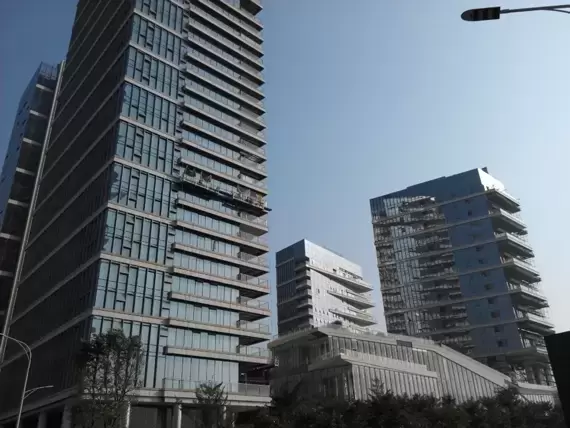
Sunroom projects often involve floor-to-ceiling windows, sliding glass doors, corner glazing, and roof sections. Each part may have different dimensions, opening methods, and installation conditions. The selected smart glass system needs to work with these physical requirements.
Large glass panels create a clean architectural appearance, but panel size affects manufacturing, transportation, handling, and installation. Before ordering laminated smart glass or specifying PDLC smart film, the project team should confirm the maximum available dimensions and the actual panel configuration.
Important details include:
l Overall glass width and height
l Individual panel dimensions
l Glass thickness and layer arrangement
l Edge treatment and corner geometry
l Fixed panels versus sliding or hinged sections
l Cable exit positions and connection points
A long glass wall may consist of several independent panels rather than one continuous sheet. In that situation, the electrical layout should identify which panels operate together and which require separate controls.
The panel division also affects the visual result. If the switching boundaries do not align with the architectural divisions, the installation may look inconsistent when the glass changes state.
A sunroom with a large south-facing glass area may experience considerable solar exposure. Roof glazing can face even more direct sunlight, particularly where the glass is installed at a shallow angle.
Temperature conditions should be checked at the actual installation position, not estimated from the indoor room temperature alone. Glass surfaces can become much hotter than the surrounding air, especially when sunlight is concentrated on a roof section or enclosed space.
The project team should request technical information covering the operating temperature range and environmental limitations of the selected PDLC product. It is also important to distinguish the temperature resistance of the smart film from that of the complete laminated glass assembly, electrical connections, sealants, and installation accessories.
A supplier's stated temperature range should be supported by product specifications or relevant test documentation. Homeowners should avoid assuming that every smart film product is suitable for continuous exposure to strong sunlight simply because it is marketed for architectural use.
Condensation can occur in sunrooms and skylights when warm, humid indoor air meets a cooler glass surface. Roof structures may also be exposed to rainwater, cleaning water, and moisture around drainage details.
PDLC smart film contains electrical connections, so edge protection and sealing deserve particular attention. The design should prevent moisture from reaching vulnerable electrical areas and should account for how water drains away from the glazing system.
For laminated smart glass, the quality of the edge seal and the compatibility of the materials within the glass assembly are important. For self-adhesive smart film installed on existing glass, the installer needs to assess the glass surface, edge conditions, cable routing, and environmental exposure before confirming suitability.
A product designed for an indoor partition should not automatically be specified for a roof glazing application. The installation environment must match the manufacturer's documented application limits.
The choice between laminated smart glass and self-adhesive smart film depends largely on the construction stage and the existing glazing structure.
Laminated smart glass integrates the PDLC layer between glass sheets during manufacturing. The resulting assembly is supplied as a finished glazing product and can be incorporated into a building's window or skylight design.
Self-adhesive smart film is applied to a suitable existing glass surface. It can be considered when a homeowner wants to add switchable functionality without replacing the entire glass panel. However, its suitability depends on the condition, dimensions, orientation, and installation environment of the existing glass.
Selection factor | Laminated Smart Glass | Self-Adhesive Smart Film |
Product structure | PDLC layer integrated between glass sheets | Smart film attached to an existing glass surface |
Typical project stage | New construction or planned glass replacement | Suitable renovation projects |
Glass preparation | Manufactured as a complete glazing unit | Existing glass must be assessed and prepared |
Installation work | Requires glazing installation and electrical connection | Requires surface preparation, film application, and electrical connection |
Appearance | Integrated glazing structure | Film and edge details remain part of the finished installation |
Skylight suitability | Depends on the complete glazing specification and environmental rating | Requires careful assessment of glass orientation and exposure |
Customization | Glass dimensions, thickness, and structure can be specified during production | Film dimensions and cable positions need to match the existing glass |
For a new sunroom or skylight project, laminated smart glass may be easier to coordinate with the overall glazing specification. The glass manufacturer can consider the PDLC layer, glass structure, thickness, edge treatment, and cable arrangement as part of one production process.
Renovation projects may have different priorities. If the existing glass is structurally suitable and the installation environment falls within the product's permitted range, self-adhesive smart film may offer a way to add switchable functionality without removing the original glazing.
Neither option should be selected based on price alone. The complete glass assembly, expected service conditions, installation method, and maintenance requirements all influence the final decision.
Roof glazing requires more detailed coordination than many vertical window applications. Its angle, exposure, supporting structure, and access conditions can affect both product selection and installation quality.
PDLC smart film is only one component of the finished glass system. The roof window may also require specific glass thicknesses, safety-glass configurations, insulation performance, and structural support.
The architect or glazing contractor should confirm the required glass structure before the smart film specification is finalized. Relevant factors include:
l Glass type and thickness
l Laminated or insulating glass configuration
l Roof pitch and panel dimensions
l Structural loading requirements
l Thermal insulation and solar-control targets
l Compatibility with the building's existing window system
A supplier of laminated smart glass should be able to provide product information showing how the PDLC layer is incorporated into the glass assembly. Where the project has special safety or building-code requirements, the complete glazing unit should be evaluated against the applicable standards.
The smart film's optical performance does not establish the structural safety of the roof window. These are separate technical requirements and should be reviewed by the appropriate glazing and engineering professionals.
Electrical connections are easy to overlook during early design discussions. However, once the glass has been installed in a roof structure, access to its edges may be limited.
The design team should establish the cable exit position, wire length, connection location, and route to the controller before production begins. Cable routes should be coordinated with the frame, ceiling, roof cavity, and maintenance access points.
For multi-panel skylights, the electrical design should also define whether all panels switch together or operate independently. A large roof area may be divided into several control zones to match room functions or lighting conditions.
Leaving cable positions until the installation stage can result in exposed wiring, awkward connections, or additional construction work. Early coordination between the glass supplier, electrician, and installer reduces these risks.
Skylights are often more difficult to access than ordinary windows. Their maintenance requirements should therefore be considered before the glass is installed.
The finished surface should be compatible with the cleaning methods recommended by the glazing supplier. Installers should also identify the location of electrical connections and explain which components can be inspected or replaced without removing the entire glass unit.
A well-planned system should allow reasonable access to controllers, power supplies, and connection points. These components should not be permanently concealed behind finishes without a maintenance plan.
Smart glass needs a suitable power supply and controller to switch between its operating states. In a Smart Home project, the electrical arrangement should be planned alongside lighting, shading, HVAC, and other automated systems.
PDLC smart film typically requires an AC power supply with a voltage and frequency matched to the product specification. The exact electrical requirements vary by product and installation. Homeowners should obtain the manufacturer's wiring diagram rather than assume that all PDLC products use the same electrical configuration.
A small sunroom may need only one control zone, while a larger room with multiple windows may benefit from separate zones.
For example, the roof glazing could operate independently from the vertical windows. This arrangement allows occupants to adjust the privacy of each area without changing the state of every glass panel.
Control options may include:
l Wall-mounted switches
l Remote controls
l Centralized Smart Home panels
l Compatible automation gateways
l Scheduled control through an approved home automation system
The choice depends on the controller, communication interface, and the automation platform used in the building. Compatibility should be confirmed before purchasing the system.
Homeowners sometimes expect smart glass to connect directly to every Smart Home platform. In practice, integration depends on the electrical controller and the communication method it supports.
The supplier should clarify whether the system supports relay control, dry-contact input, or another specified interface. If a gateway is required, its compatibility and configuration should be confirmed with the automation contractor.
A practical control plan should also define what happens during a power interruption. PDLC products commonly return to their unpowered optical state when electricity is unavailable, but the actual behavior should be confirmed for the selected product. Homeowners should know whether the glass becomes transparent or diffused when power is lost and whether that behavior is acceptable for the intended room.
For a sunroom or skylight, this detail may affect privacy expectations and daylight conditions. It should be included in the project specification rather than left for commissioning.
A supplier's product description may emphasize transparency, switching speed, or customization. These details are useful, but they do not provide enough information for a demanding architectural project.
Homeowners and project contractors should request documentation that relates directly to the intended installation.
Visible light transmission, haze, and switching performance influence the appearance of the glass in both operating states.
For a sunroom, the transparent state should provide the desired level of daylight. The diffused state should offer the required visual privacy without creating an unacceptable change in the room's appearance.
Optical values should be reviewed using the supplier's actual test conditions. Results from different testing methods may not be directly comparable, so the test standard and sample structure should be checked.
For skylights and exposed sunroom glazing, environmental information is particularly important.
Useful documentation includes:
l Recommended operating temperature range
l Applicable humidity and environmental limits
l Electrical voltage and power requirements
l Controller specifications
l Edge protection and connection recommendations
l Product warranty and maintenance conditions
The supplier should also clarify whether the specifications apply to the smart film alone or to the complete laminated glass product.
Architectural projects rarely use only standard rectangular panels. Curved glass, unusual dimensions, corner details, and multiple cable positions may require additional production coordination.
A capable smart film material manufacturer should be able to discuss the technical limits of the product before accepting a custom order. Relevant questions include whether the requested dimensions are within production limits, whether special shapes can be processed, and how the cable exit position affects manufacturing.
For larger developments, buyers may also evaluate suppliers offering Smart Film OEM ODM services. In these projects, customization should cover more than a logo or product label. It may involve film dimensions, electrical configuration, optical requirements, packaging, and documentation.
A PDLC film manufacturer China should be able to provide clear product specifications and explain how the proposed material fits the intended glazing application. Buyers comparing a smart home film factory should also review sample consistency, production capacity, quality-control procedures, and communication during technical confirmation.
The supplier's ability to manufacture a product is only one part of project readiness. Coordination with glass processors, installers, and electrical contractors is equally important.
Some problems arise because the product is selected before the project conditions have been fully reviewed. Others occur when the glass, electrical system, and building structure are treated as separate tasks.
PDLC smart glass changes its optical appearance, but its diffused state should not be treated as a guaranteed solution for reducing solar heat gain.
If a sunroom becomes too hot during summer, the project may need low-emissivity glass, solar-control coatings, external shading, ventilation, or other thermal measures. The appropriate solution depends on the building's orientation and climate.
A product suitable for an indoor partition may not be appropriate for a skylight. Roof glazing can face stronger sunlight, greater temperature variation, and more difficult maintenance conditions.
The intended application should be disclosed to the supplier before product selection. Written confirmation of the permitted installation conditions is preferable to relying on general marketing descriptions.
Cable exits, controller locations, and power connections should be coordinated before glass production. Late changes can affect the frame design and installation schedule.
This is especially important for roof windows, where access may be restricted after construction is complete.
Self-adhesive smart film needs a suitable surface. Scratches, contamination, unevenness, damaged coatings, or unsuitable glass configurations may affect the installation result.
A site assessment should take place before the material is ordered. If the existing glass cannot provide a suitable base, laminated smart glass or another glazing solution may be more appropriate.
Two suppliers may quote different optical or electrical values using different sample structures and testing methods. Comparing the numbers without checking their test conditions can lead to an inaccurate purchasing decision.
Buyers should request product datasheets and relevant test reports, then compare products under consistent criteria.
Smart glass should be included in the architectural and electrical planning process from the beginning. Waiting until the glass is ready for installation can restrict panel dimensions, wiring routes, control options, and frame details.
A coordinated project process generally includes:
l Define the application: Confirm whether the system will be used in vertical sunroom windows, roof glazing, skylights, or a combination of these areas.
l Review the site conditions: Check orientation, sunlight exposure, expected temperature, moisture, glass dimensions, and access for installation.
l Select the glazing structure: Decide whether laminated smart glass or a suitable film-based solution matches the construction stage and existing glass.
l Confirm electrical requirements: Coordinate cable exits, power supplies, controllers, and automation interfaces with the electrical contractor.
l Review product documentation: Check optical performance, environmental limits, electrical specifications, warranty terms, and relevant test reports.
l Inspect samples and mock-ups: Evaluate appearance, switching behavior, edge details, and control response before approving large-scale production.
l Complete installation checks: Test each control zone, inspect electrical connections, and confirm that the glass operates as specified.
For projects involving several glass areas, a sample panel or mock-up can help the homeowner and design team evaluate the actual visual effect before the full order is released. It also provides an opportunity to check the relationship between the glass, frame, surrounding finishes, and lighting.
The right smart glass specification depends on how the glazing will be used, where it will be installed, and what the complete building system needs to achieve. Sunroom windows and skylights may share the same PDLC technology, but their exposure, structure, installation access, and electrical arrangements can be very different.
Laminated smart glass may suit new construction and planned glazing replacement, while self-adhesive smart film may be considered for existing glass that meets the product's installation requirements. Neither option should be approved without checking environmental conditions, glass compatibility, and electrical details.
For homeowners and project teams, early coordination is more valuable than choosing a product based on one attractive specification. A suitable supplier should be able to explain production limits, provide technical documentation, and coordinate the material with the glazing and automation requirements.
Zhuhai Shuifa Singyes New Materials Technology Co., Ltd. provides PDLC smart film and laminated smart glass solutions for architectural applications. Project teams considering smart glass for sunrooms, roof windows, or skylights can review the company's laminated smart glass products and Smart Home applications when evaluating possible glazing configurations.