Is Shuifa Singyes Smart Glass Worth It for Homes and Offices
Learn more >


ITO film for smart film plays a critical role in delivering high performance. This material offers a resistivity of less than 200 ohm, while transmitting over 85% of visible light. Smart film technology depends on these features to achieve privacy-on-demand and dynamic privacy. The conductivity of the TO film for smart film ensures fast switching between transparent and opaque states, supporting energy efficiency and daylight control solutions. Smart applications require functionality that adapts to changing needs. ITO film for smart film enables privacy and supports an innovative and future-oriented roadmap for cutting-edge solutions. Market potential grows as smart environments expand.
ITO film stands out in smart film applications because it combines high electrical conductivity with excellent transparency. These two properties are essential for the integration of smart technology into glass and film products. The film acts as an electrode, allowing electrical voltage to pass through and trigger the switching of liquid crystals. This process enables the film to change from opaque to clear, supporting privacy and daylight control.
The following table summarizes the key measured values for the ITO film used in the smart film:
Property | Measured Value |
Optical Transmittance | Exceeds 83.5% |
Sheet Resistance | 100-150 Ω/sq for thickness of 5188um |
Thickness | 188 ± 10 um for standard ITO films |
The thickness of the ITO film plays a major role in its performance. Thinner films offer higher transparency, while slightly thicker films provide lower resistance. Annealing the film at high temperatures improves its crystal structure, which leads to better conductivity and transparency. These features make ITO film a preferred choice for smart film integration, as they ensure fast and uniform switching with minimal power loss.
The integration of ITO film with smart film relies on its ability to adhere well to different substrates, such as glass or plastic. While ITO film offers limited flexibility compared to some other transparent conductive oxides, it maintains stable conductivity when bent to a radius above 10 mm. This level of flexibility is suitable for most architectural and automotive smart film applications, where the film is applied to flat or gently curved surfaces.
Recent advancements in ITO technology have introduced outdoor-compatible variants and improved durability coatings. These innovations expand the range of smart film integration, making it possible to use smart glass in more demanding environments. The combination of electrical performance, transparency, and reliable integration makes ITO film the foundation for high-quality smart film solutions.
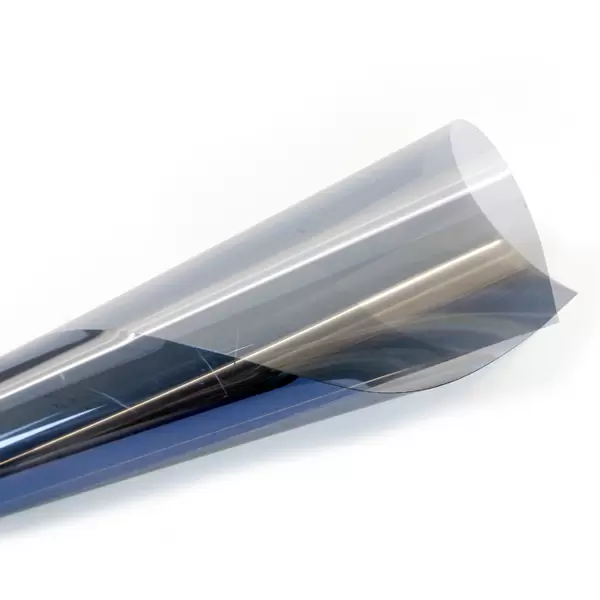
ITO film is a key component in pdlc smart glass film. It acts as a transparent electrode that conducts electricity across the surface of the film. This electrical conduction is necessary for activating the liquid crystals inside the polymer-dispersed liquid crystal layer. When voltage is applied, the ITO layer delivers power to the pdlc microdroplets, causing them to align and change the optical state of the film.
The construction of PDLc smart glass film often uses ITO-coated PET sheets. These sheets help distribute electrical stimulation evenly to every part of the film. This process ensures that the pdlc layer responds quickly and efficiently. The result is a smart film that can switch between transparent and opaque states, providing privacy when needed.
●The ITO layer conducts electricity to activate liquid crystals in the PDLCD smart glass film.
●ITO-coated PET sheets facilitate electrical stimulation of PDLc microdroplets.
●Uniform conduction supports fast switching and reliable performance.
Uniform switching is essential for PDL C smart glass film. ITO film provides a consistent electrical pathway, allowing the entire pdlc layer to respond at the same time. This uniformity prevents uneven appearance and ensures that the smart film delivers clear and reliable privacy control.
The switching process in the PDLCD smart glass film depends on the alignment of liquid crystals. When electricity flows through the ITO layer, the crystals align, a nd the film becomes transparent. Without power, the crystals scatter light, and the film turns opaque. The following table shows how the states change:
State | Description |
Transparent State | Electric current aligns liquid crystals, allowing light to pass through. |
Opaque State | Without power, crystals are randomly oriented, scattering light. |
Power efficiency is another advantage of ITO film in PDL C smart glass film. The low resistance of ITO means that less energy is needed to switch the film. This feature reduces operating costs and supports sustainable smart solutions.
Deposition temperature and buffer layers impact the conductivity and performance of the ITO film. Higher deposition temperatures improve the crystal structure of ITO, which increases conductivity and transparency. Buffer layers can enhance adhesion and stability, making the smart film more durable. These factors help optimize the performance of pPDLcsmart glass film in real-world applications.
· Uniform switching delivers consistent privacy control.
· Low power consumption supports energy-efficient smart environments.
· Deposition temperature and buffer layers improve conductivity and durability.
Adhesive smart film relies on high optical clarity to deliver a seamless visual experience. ITO film supports this need by allowing more than 85% of visible light to pass through, which helps maintain the brightness and color accuracy of glass panels. This high transparency reduces glare, making spaces more comfortable for occupants. When adhesive smart film is installed on windows or partitions, the ITO layer ensures that the view remains clear and undistorted, even when the film switches between states.
The premium status of ITO as a transparent conductive oxide comes from its unique combination of conductivity and transparency. Manufacturers can pattern ITO film to create transparent circuits, which are essential for advanced smart control systems. Its stability and ease of integration have made it a top choice for adhesive smart film in both commercial and residential settings.
Adhesive smart film must switch quickly between transparent and opaque states to provide effective privacy control. ITO film plays a vital role in this process. Its high electrical conductivity enables rapid alignment of liquid crystals within the film. This quick response is important for applications where instant privacy or glare reduction is needed, such as meeting rooms or automotive glass.
· ITO film creates X and Y sensing electrodes in grid patterns, which support multi-touch and fast switching.
· High conductivity ensures that the adhesive smart film responds to control signals without delay.
· The transparent nature of ITO film keeps displays bright, even during frequent switching.
Low power consumption is another advantage of ITO film in adhesive smart film. The low resistance of the ITO layer means that less energy is required to maintain the transparent state. This efficiency reduces operating costs and supports sustainable building practices. Smart film with ITO electrodes can deliver privacy and glare control while using minimal energy, making it ideal for modern energy-conscious environments.
Durability is essential for adhesive smart film, especially in high-traffic or demanding environments. Multilayer ITO films, which may include a silver layer between ITO layers, offer improved mechanical strength and optical performance. These films resist cracking under strain, making them suitable for both rigid and gently curved surfaces. This resilience ensures that adhesive smart film maintains its performance over time, even with repeated use.
However, ITO films can be brittle, which limits their flexibility compared to some other transparent conductive oxides. In applications where the film must bend sharply, such as wearables, multilayer designs help prevent issues like cracking and delamination. For most architectural and automotive uses, ITO film provides the necessary durability and stability.
Tip: Choosing the right ITO film structure enhances the longevity and reliability of adhesive smart film, ensuring consistent privacy and glare control.
The combination of high optical transparency, fast response, low energy consumption, and mechanical strength makes ITO film the foundation of high-performance adhesive smart film. Its premium status as a transparent conductive oxide reflects its unmatched ability to deliver smart control, privacy, and energy efficiency in a wide range of applications.
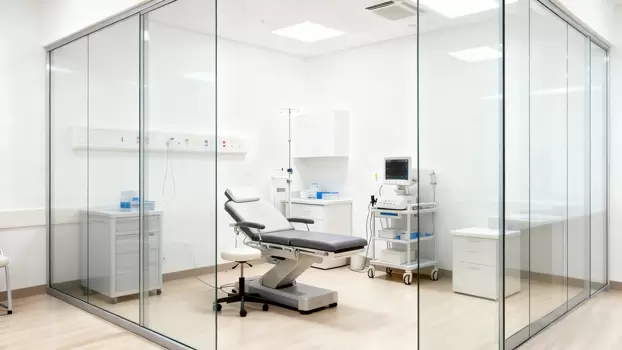
PDLC smart film installation has become a popular choice in many real-world settings. Offices use smart film installation in conference rooms to provide instant privacy during meetings while keeping the space open and bright. Medical facilities rely on these solutions to meet privacy standards for patient areas. Retail stores use smart film installation to control visibility, allowing merchandise to be displayed while keeping storage areas hidden.
Other common applications include showrooms, where smart film installation enables dramatic rear projection displays. During the day, the glass remains clear, but at night, it transforms into a projection screen. Hospitals and clinics benefit from smart film installation by replacing traditional blinds with smooth glass surfaces.
Selecting the right conductive material is crucial for smart film installation. ITO film remains the standard for most smart solutions due to its high conductivity and transparency. However, alternatives like graphene, silver nanowires, metal mesh films, carbon nanotubes, and conductive polymers are also used in some installations.
The table below compares the stability and performance of these materials in smart window film installation:
Material | Brittleness | Flexibility | Conductivity | Transparency |
Indium Tin Oxide (ITO) | High | Low | High | High |
Graphene | Low | High | High | High |
Silver Nanowires | Moderate | High | Very High | Moderate |
Carbon Nanotubes | Low | High | Moderate | High |
Conductive Polymers | Low | High | Low | Moderate |
Metal Mesh Films | Moderate | High | High | Moderate |
ITO film offers reliable performance for most smart film installation needs, but its brittleness and indium scarcity can limit use in flexible electronics. Graphene and silver nanowires provide more flexibility and similar conductivity, though they may increase installation complexity or cost. Each material presents unique advantages, so the choice depends on the specific requirements of the smart film installation and the desired solutions for instant privacy.
ITO film transforms smart environments by combining high conductivity, transparency, and stability. Smart film with ITO delivers energy efficiency, dynamic privacy, and visual appeal. Users benefit from fast switching, reliable operation, and long-lasting durability. When evaluating smart solutions, consider how ITO film supports advanced smart glass, enhances smart building design, and enables smart control for modern spaces.
· Smart film with ITO:
o Improves energy efficiency
o Provides on-demand privacy
o Enhances aesthetics
o Delivers superior conductivity
o Supports sustainable smart environments