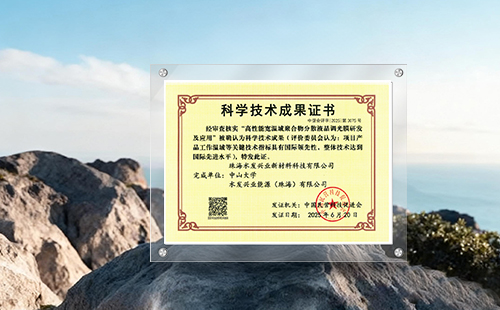
Internationally Advanced! Zhuhai Shuifa Singyes New Materials Technology Co., Ltd. Successfully Passes Scientific and Technological Achievement Evaluation
Learn more >


Laminated smart film is usually the best choice for new installations. Self-adhesive smart film works well for retrofitting existing glass. Project type, installation method, durability, and cost often guide this decision. Laminated smart film offers greater durability and suits high-traffic spaces. Self-adhesive smart film provides a cost-effective solution for renovations. Both options allow for creative designs. Zhuhai Shuifa Singyes New Materials Technology Co., Ltd. leads in Smart Film Comparison with advanced features and reliable support.
A key part of any Smart Film Comparison is understanding how each type installs. Laminated smart film and self-adhesive smart film use different methods. The table below highlights the main differences:
| Feature | Self-Adhesive Smart Film | Laminated Smart Film |
|---|---|---|
| Installation Complexity | Simple, peel and stick method | Requires EVA film lamination furnace setup |
| Equipment Needed | None, just the film itself | Special equipment needed for lamination |
| Application | Suitable for both old and new glass windows | Typically requires new glass for installation |
| Adhesive Layer | Contains a self-adhesive cling layer | No adhesive layer present |
Self-adhesive smart film is easy to apply. Most people can install it directly onto existing glass. Laminated smart film needs professional installation. It becomes part of the glass during manufacturing or when replacing glass panels. This makes laminated smart film ideal for new construction or major renovations.
Smart Film Comparison often focuses on where each type works best. Self-adhesive smart film is popular for retrofits. It fits well in offices, homes, and retail spaces. Laminated smart film is better for new projects or areas with high wear.
Self-adhesive smart film works well for:
Laminated smart film is preferred in:
Zhuhai Shuifa Singyes Smart Film uses advanced PDLC technology. This allows both types to switch between clear and frosted states quickly. The films also work with smart systems for easy control.
Durability is a major factor in any Smart Film Comparison. Laminated smart film offers strong protection. The PDLC layer sits between glass sheets, shielding it from damage, moisture, and chemicals. This makes it suitable for harsh environments and frequent use.
Self-adhesive smart film is durable as well, especially with modern materials. It resists yellowing and wrinkling, which is important for long-term appearance. Both types from Zhuhai Shuifa Singyes feature excellent weather resistance. They perform well in varying temperatures and humidity levels.
Cost is often a deciding factor in a Smart Film Comparison. Self-adhesive smart film is more affordable upfront. It is a top choice for renovations and retrofits because it does not require new glass or special equipment.
Laminated smart film costs more to install. However, it usually lasts longer and needs less frequent replacement. If a panel gets damaged, it can be replaced individually. This reduces long-term maintenance costs. Self-adhesive smart film also allows for selective replacement, which saves money compared to replacing entire glass panels.
Tip: Modern smart film can last 8-10 years with proper care, making it a smart investment for many projects.
Performance is central to any Smart Film Comparison. Both types use PDLC technology for fast switching between transparent and opaque. They provide privacy on demand and help control light. Zhuhai Shuifa Singyes Smart Film stands out with its compatibility with smart home systems. Users can control the film with a mobile app or voice commands.
Laminated smart film offers the highest level of integration and protection. It is best for permanent installations. Self-adhesive smart film is flexible and easy to upgrade or replace. Both types deliver reliable performance and enhance comfort in any space.
Laminated smart film brings several important benefits to new construction projects. It offers flexibility in design, which allows architects to create open spaces that can change function throughout the day. Users can enjoy instant privacy control while still letting in natural light. This feature makes rooms feel bright and comfortable. Laminated smart film also improves insulation, which can help save energy and reduce heating or cooling costs. The modern look of this technology adds a sophisticated touch to interiors. Maintenance is simple, and the film adapts easily to different needs.
Some main advantages include:
Laminated smart film is popular in many industries. It works well in places where privacy and style are both important. The table below shows common uses in different building types:
| Industry/Building Type | Description |
|---|---|
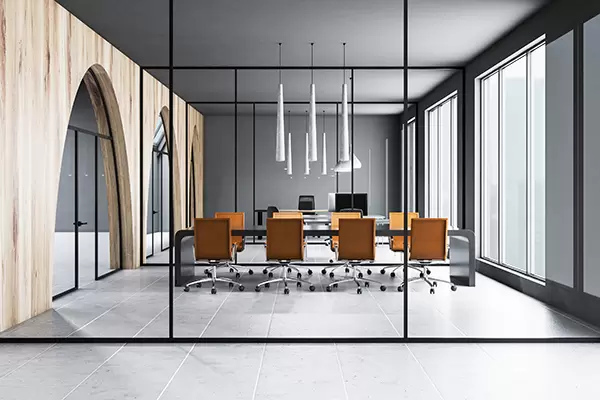
| Offices | Used for privacy in meetings and executive offices by switching from clear to opaque. |
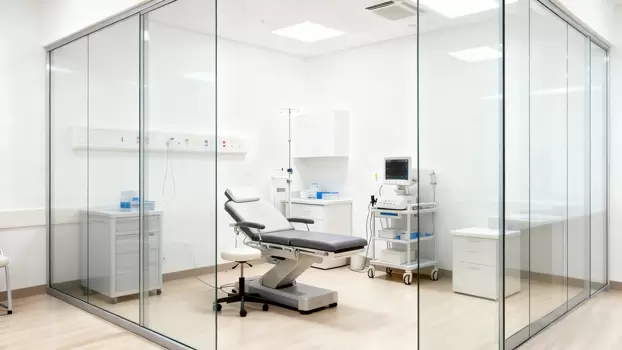
| Healthcare | Maintains patient privacy in rooms and treatment areas, adjustable for observation. |
| Hospitality Industry | Utilized in luxury hotels for bathroom dividers and guest suite windows, allowing guests to control transparency. |
| Retail | Creates engaging storefronts and displays that can switch between clear and frosted states. |
| Design and Architecture | Functions as dynamic facades, adjusting transparency to control sunlight and enhance energy efficiency. |
A Smart Film Comparison shows that laminated smart film is often chosen for high-traffic areas and new buildings where long-term performance matters.
While laminated smart film offers many benefits, it does have some installation challenges. The process requires a clean environment and must be completed in one continuous step. Installers need to allow enough space for wiring and must work with great care, as the bonding cannot be reversed once finished. If bubbles appear due to residue or uneven bonding, they cannot be fixed after installation. High skill and advanced technology are necessary for proper results.
Main challenges include:
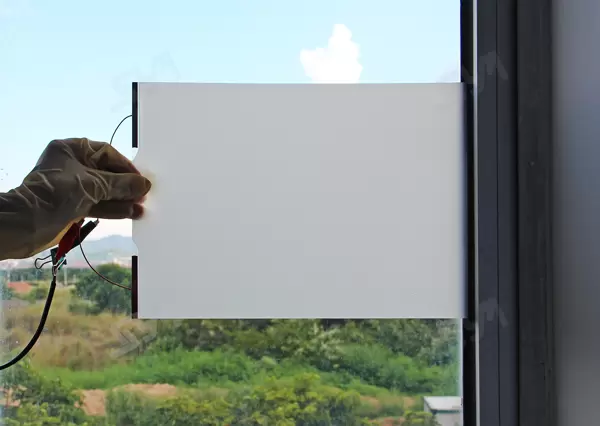
Self-adhesive smart film offers a practical solution for upgrading existing glass. It features a strong adhesive backing that bonds securely to glass surfaces. This type of film is ideal for projects where replacing glass is not possible or desired. The installation process is straightforward, making it a popular choice for retrofits. Professional installation ensures the best results and long-term performance.
The table below highlights the main characteristics and best applications for self-adhesive smart film:
| Key Characteristics of Adhesive Smart Film | Best Applications for Adhesive Smart Film |
|---|---|
| Self-adhesive backing | Long-term installation is required |
| Permanent installation | The glass will not need future modifications |
| Suitable for retrofitting existing glass | Maximum permanence is desired |
| Requires professional installation | Building owners want a retrofit solution for existing glazing |
| Strong bonding with glass surfaces |
This film provides instant privacy and light control. It also integrates with smart systems, allowing users to manage settings through mobile apps or voice commands.
Self-adhesive smart film works well in many settings. It is compatible with a wide range of glass types, making it versatile for different industries. The following table shows where this film can be used:
| Glass Type | Compatibility with Self-Adhesive Smart Film |
|---|---|
| Commercial Glass | Yes |
| Industrial Glass | Yes |
| Office Glass | Yes |
| Retail Glass | Yes |
| Healthcare Glass | Yes |
| Hospitality Glass | Yes |
| Educational Institution Glass | Yes |
This versatility makes self-adhesive smart film a strong choice for offices, hospitals, hotels, schools, and retail spaces. It is especially useful when a Smart Film Comparison is needed for retrofitting projects.
While self-adhesive smart film is reliable, some challenges may arise during installation and use:
Note: Professional installation and careful preparation help prevent most common issues and ensure optimal performance.
Every project has unique requirements. Start by identifying the main goals for your space. Do you need a quick privacy upgrade for an existing window? Are you planning a new building with high-traffic areas? Consider the installation method, durability, and whether the project is permanent or temporary. The table below summarizes how each smart film type fits different needs:
| Criteria | Self-Adhesive Smart Film | Laminated Smart Film |
|---|---|---|
| Installation Method | DIY or simple retrofit | Professional, part of glass fabrication |
| Durability | Good for most interiors | Superior for long-term, high-use settings |
| Best Use Case | Renters, small projects, retrofits | New builds, permanent installations |
Tip: For projects in wet or exterior-exposed areas, laminated smart film offers better protection.
Not all glass is the same. Self-adhesive smart film works well on most existing glass surfaces. Laminated smart film requires new glass panels or replacement during construction. If your project involves specialty glass or complex shapes, professional support from Zhuhai Shuifa Singyes can help with customization and engineering advice. Their team provides drawing-based customization and ensures the right fit for any glass type.
Budget plays a key role in decision-making. Self-adhesive smart film is more affordable upfront. Laminated smart film costs more, but offers greater longevity. Maintenance is simple for both types. Avoid harsh chemicals and abrasive cleaning to keep the film clear. Proper electrical management, such as scheduled off periods, helps extend the lifespan of both films.
Choose self-adhesive smart film for fast, cost-effective upgrades or rental spaces. Select laminated smart film for new construction, high-traffic areas, or where maximum durability is needed. Always consider environmental conditions and installation quality. Zhuhai Shuifa Singyes provides reliable engineering support, quality assurance, and on-time delivery, making the selection and installation process smooth and successful.
Laminated smart film excels in humid environments and high-traffic areas, offering superior moisture protection and longevity. Self-adhesive smart film stands out for easy application and cost-effective retrofits.
| Project Type | Best Smart Film Choice | Key Benefit |
|---|---|---|
| Commercial | Laminated | Durable privacy and modern aesthetics |
| Residential | Self-Adhesive | Flexible upgrades and natural light control |
| Institutional | Laminated | Reliable privacy for sensitive spaces |
Zhuhai Shuifa Singyes Smart Film combines advanced PDLC technology with trusted professional support, earning positive feedback from clients seeking reliable solutions.