What Is Smart Film for Car Sunroofs and How Does It Work
Learn more >


Glass has always been one of the defining materials in architecture. It allows natural daylight to enter a building, creates visual openness, and contributes to modern aesthetics. For decades, architects used glass primarily to improve transparency and create a stronger connection between indoor and outdoor environments.
Today, the role of glass has expanded significantly.
Commercial buildings, hospitals, hotels, educational facilities, and luxury residences are no longer satisfied with glass that simply allows light to pass through. Modern projects increasingly require glass surfaces to support privacy, flexibility, energy performance, user comfort, and intelligent building operation.
This shift is largely driven by changing workplace and lifestyle expectations.
Corporate offices want collaborative spaces while still protecting confidential meetings. Hospitals need patient privacy without creating dark interior environments. Hotels seek to deliver premium guest experiences without compromising design aesthetics. Residential projects are adopting smart home technologies that provide greater convenience and personalization.
These demands create a challenge for traditional privacy solutions.
Curtains, blinds, and permanent frosted glass can provide privacy, but they often reduce daylight, increase maintenance requirements, and limit design flexibility.
As a result, architects and building owners are increasingly turning toward Switchable Smart Film, a technology that transforms ordinary glass into an intelligent building component capable of changing its appearance instantly according to user needs.
Rather than choosing between transparency and privacy, modern buildings can now have both.

For many years, curtains and blinds were the default solution for controlling privacy within buildings.
They remain common in offices, healthcare facilities, hotels, and residential projects. However, changing design priorities are exposing several limitations associated with these traditional approaches.
The first issue is daylight management.
Modern architecture places significant emphasis on occupant wellbeing. Access to natural light has been linked to improved productivity, better indoor comfort, and enhanced user satisfaction. Unfortunately, curtains and blinds often solve one problem by creating another. When privacy is required, daylight is frequently sacrificed.
The second issue is maintenance.
Large commercial projects may contain hundreds of windows and glass partitions. Curtains require cleaning. Blind mechanisms eventually wear out. Fabric materials accumulate dust and may need replacement over time.
The third issue is design flexibility.
Many contemporary projects favor clean, minimalist interiors. Visible window coverings can interrupt the architectural language of a space, particularly in premium commercial environments.
The difference becomes clearer when comparing the available solutions.
| Factor | Curtains & Blinds | Switchable Smart Film |
|---|---|---|
| Privacy Control | Manual | Instant |
| Natural Light Access | Limited When Closed | Maintained |
| Maintenance Requirements | Moderate to High | Low |
| Visual Appearance | Traditional | Modern |
| Smart Building Integration | No | Yes |
| Space Efficiency | Moderate | High |
| Retrofit Potential | Limited | Excellent |
From a design perspective, switchable smart film offers a more integrated approach because privacy becomes part of the glass itself rather than requiring additional components.
One of the most significant changes in architectural design is the transition from static materials to responsive materials.
Building systems are becoming increasingly intelligent.
Lighting systems respond to occupancy.
HVAC systems react to environmental conditions.
Security systems communicate with building management platforms.
Glass is now following the same evolution.
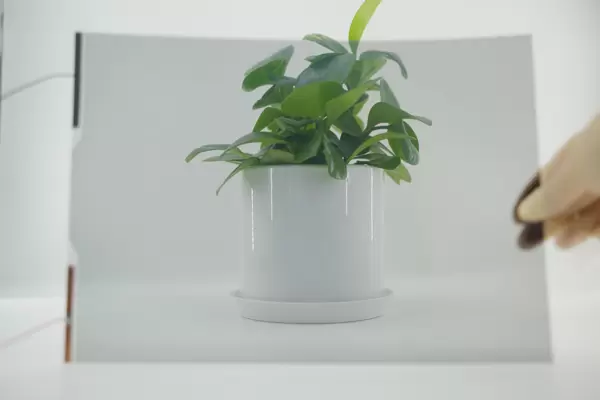
Through PDLC Smart Film technology, glass surfaces can respond instantly to user requirements.
The technology relies on Polymer Dispersed Liquid Crystal (PDLC) materials embedded within the film structure.
When electrical current is applied, liquid crystal particles align and allow light to pass through the film.
When power is off, the particles scatter light and create a frosted appearance.
The transition occurs within seconds.
| Power Status | Glass Appearance |
| ON | Transparent |
| OFF | Opaque / Frosted |
From the user's perspective, the experience is simple.
A meeting begins.
A switch is activated.
The room becomes private.
When the meeting ends, the glass returns to its transparent state.
The ability to change the character of a space instantly has made smart film far more than a decorative product. It has become a functional architectural system.
Among all commercial sectors, corporate offices have become one of the largest drivers of smart film adoption.
Workplace design has changed dramatically over the past decade.
Many organizations have moved away from enclosed offices toward open-plan layouts. While open environments encourage collaboration, they also introduce new privacy challenges.
Meeting rooms frequently contain sensitive discussions.
Executive offices require confidentiality.
Video conferences have become a routine part of daily operations.
The result is a growing need for spaces that can shift between openness and privacy without requiring permanent physical barriers.
Glass meeting rooms are popular because they maintain visual openness and maximize daylight distribution.
The challenge arises when confidential discussions occur.
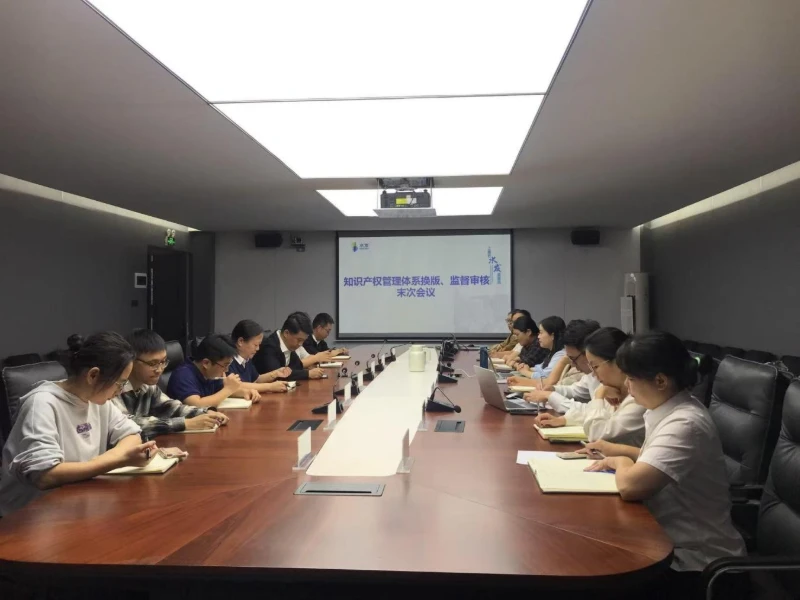
Switchable privacy film allows these rooms to remain transparent most of the time while becoming private whenever necessary.
Senior management areas often require a balance between accessibility and confidentiality.
Smart film allows executives to maintain a modern open-office appearance while preserving privacy during important discussions.
Many companies now use flexible workplace models.
Conference rooms become training rooms.
Training rooms become collaboration spaces.
Smart film supports this flexibility by allowing privacy levels to adapt to changing room functions.
From a workplace strategy perspective, the technology improves space utilization rather than simply improving aesthetics.
Healthcare environments have unique privacy requirements.
Patient confidentiality is a legal and ethical requirement in many regions.
At the same time, healthcare designers increasingly recognize the value of daylight in promoting patient wellbeing.
Historically, privacy was achieved through curtains or permanent partitions.
Both approaches create limitations.
Curtains require cleaning.
Permanent partitions reduce flexibility.
Smart privacy film offers a different solution.
Patients can maintain privacy without completely blocking natural light.
Medical professionals can create temporary visual separation without sacrificing workflow efficiency.
Sensitive discussions can occur in private environments while maintaining a modern architectural appearance.
Unlike fabric curtains, glass surfaces are easier to clean and maintain.
This advantage has become increasingly important in healthcare facility design.
As hospitals continue modernizing their infrastructure, smart glass technology is becoming an increasingly attractive alternative to conventional privacy systems.
The hospitality industry is highly competitive.
Guest experience often determines brand perception and customer loyalty.
As hotels seek new ways to differentiate their properties, intelligent glass solutions are becoming more common.
One of the most visible applications involves bathroom partitions.
Traditional hotel bathrooms typically rely on walls, curtains, or frosted glass.
Switchable privacy glass creates a more dynamic experience.
Guests can choose transparency or privacy according to personal preference.
Luxury hotels are also incorporating smart film into:
For hotel operators, the value extends beyond aesthetics.
The technology contributes to a more memorable guest experience while supporting contemporary interior design trends.
Retail environments face different challenges.
Privacy is often less important than customer engagement.
Yet smart film still offers significant value.
Retailers increasingly use intelligent glass for:
Storefront glass can transition between transparent and opaque states to support marketing campaigns and customer experiences.
This flexibility allows glass surfaces to function as communication tools rather than simple architectural elements.
For premium brands, the technology supports a more immersive retail environment.
One of the strongest drivers of smart film adoption is not new construction.
It is renovation.
Millions of square meters of glass already exist in commercial buildings worldwide.
Replacing those systems entirely is often expensive and disruptive.
This is where Self Adhesive Smart Film creates significant value.
Rather than replacing glass, building owners can upgrade existing surfaces.
This reduces material waste and minimizes project complexity.
Retrofitting existing glazing systems is often more economical than complete replacement.
Projects can frequently be completed with less disruption to building operations.
For offices, hotels, and healthcare facilities, minimizing downtime is often as important as controlling construction costs.
The ability to modernize existing glass without major reconstruction is one reason retrofit applications are growing rapidly.
Privacy is often the first reason organizations consider smart film.
Energy performance is increasingly becoming the second.
Buildings account for a substantial portion of global energy consumption.
Reducing cooling demand remains a major objective for facility owners.
Large glazed surfaces contribute to solar heat gain.
During warmer periods, this can increase HVAC loads and operating costs.
Smart film can assist broader energy management strategies by improving solar control and supporting more efficient building operation.
The impact varies according to climate, glazing specifications, and building design, but the trend is clear.
Project teams increasingly evaluate smart glass solutions not only from an architectural perspective but also from an operational perspective.
This aligns closely with growing interest in:
Building owners are no longer evaluating materials solely on purchase price.
Lifecycle performance is becoming equally important.
Smart film specifications vary significantly between manufacturers and projects.
Procurement decisions should consider more than appearance alone.
Several technical and operational factors deserve attention.
| Evaluation Item | Why It Matters |
| Visible Light Transmission | Daylight performance |
| Haze Level | Visual clarity |
| Switching Speed | User experience |
| Film Uniformity | Appearance quality |
| Control Options | System flexibility |
| Warranty Period | Lifecycle value |
| Retrofit Capability | Installation complexity |
| Smart Building Integration | Future scalability |
Experienced project teams typically evaluate these factors alongside project-specific requirements.
The goal is not simply selecting a product.
The goal is selecting a solution that aligns with long-term building objectives.
The future of smart film extends beyond privacy control.
As buildings become increasingly connected, glass will likely become part of larger intelligent ecosystems.
Building Management Systems (BMS) are already integrating lighting, HVAC, security, and occupancy controls.
Smart glass is expected to become another connected element within these platforms.
Future developments may include:
These capabilities support a broader shift toward intelligent building operation.
The objective is not technology for its own sake.
The objective is creating buildings that respond more effectively to occupant needs.
Modern architecture is increasingly focused on adaptability.
Spaces must support collaboration and privacy.
Buildings must maximize daylight while improving energy performance.
Designers must create environments that remain flexible as user needs evolve.
Switchable Smart Film addresses these challenges by transforming glass into a responsive architectural material rather than a passive building component.
For offices, hospitals, hotels, retail environments, and residential projects, the technology provides a practical way to balance privacy, transparency, design freedom, and operational efficiency.
As smart building technologies continue advancing, switchable smart film is moving beyond its role as a specialty product. It is becoming part of a broader architectural strategy that prioritizes flexibility, user experience, sustainability, and intelligent building performance.
For architects, project managers, and building owners planning the next generation of commercial and residential spaces, smart film is no longer simply an alternative to curtains or blinds. It is increasingly becoming part of the conversation about how modern buildings should function.