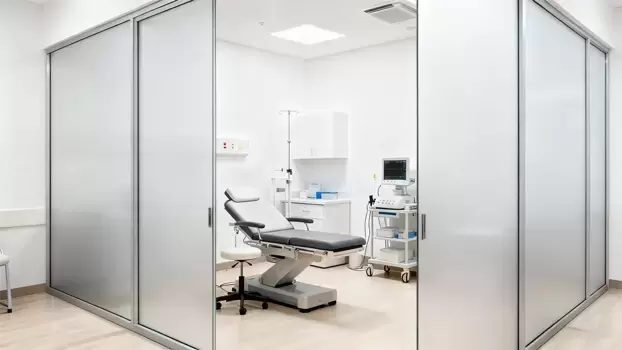
Can Smart Film Meet the Privacy Needs of Modern Healthcare Spaces?
Learn more >


A PDLC Smart Glass panel that performs well during factory testing may behave differently once it becomes part of a completed building facade. The difference does not necessarily come from the switching material. Glass fabrication, electrical connections, installation conditions, environmental exposure, and maintenance arrangements all influence the performance of the finished curtain wall.
For a small interior partition, a local issue may affect only one panel. Across a large facade, the same issue can involve multiple glass units, concealed connections, access equipment, and coordination between different contractors. Diagnosing the cause also becomes more complicated when the glass, power supply, control system, and surrounding construction are supplied or installed by separate parties.
Assessing smart glass performance therefore requires more than checking whether the glazing changes from clear to frosted. Engineers need to consider how the complete assembly is manufactured, installed, operated, and maintained throughout the building's service life.
Factory testing provides an important reference for the supplied product. It can verify specified optical characteristics, switching operation, electrical connections, and other agreed inspection items under controlled conditions.
A completed curtain wall faces a different set of conditions.
Glass units may be exposed to direct sunlight, changing outdoor temperatures, moisture, construction dust, and handling during transportation and installation. Electrical connections are integrated into the building, where cable routes, power distribution, and control equipment introduce additional variables.
The distinction between product performance and installed-system performance matters when investigating an issue. A panel that does not switch as expected may have a material-related problem, but the cause could also lie in its connection, controller, power supply, or installation interface.
Performance level | Main areas of concern |
PDLC material | Optical characteristics, switching behavior, material consistency |
Finished glass unit | Lamination quality, edge condition, dimensions, electrical connections |
Installed curtain wall | Frame interfaces, cable connections, power distribution, environmental exposure |
Operating system | Control response, circuit performance, inspection access, maintenance history |
These levels should be considered separately during inspection. Otherwise, a fault in one part of the system may be incorrectly attributed to another.

The quality of the finished glazing depends on the relationship between the PDLC material and the glass processing method.
Cutting, edge preparation, lamination, and handling must be carried out according to the requirements of the selected construction. Poor coordination between these stages can create defects that become difficult to investigate after installation.
Optical consistency deserves particular attention on large facades. A minor difference between two isolated panels may be difficult to notice, but repeated variations across a continuous elevation can affect the overall appearance.
Manufacturing checks should therefore cover more than the presence of visible damage. Depending on the approved project specification, inspection may include:
· Glass dimensions and dimensional tolerances
· Surface condition and edge quality
· Lamination appearance
· Electrode and connection condition
· Optical characteristics against approved samples
· Switching operation under the specified test conditions
The inspection criteria should be agreed before production begins. Applying different acceptance standards at the factory and on site can lead to disputes, particularly when the visual appearance of adjacent panels is being assessed.
PDLC Smart Glass is a layered product, so the interface between the active material and the surrounding glass construction matters.
The selected lamination process must be compatible with the materials involved. Edge treatment also needs to follow the approved construction, particularly where electrical connections and sealing arrangements are located.
For exterior curtain walls, the glazing assembly is exposed to environmental conditions that are not present in a controlled indoor space. Water management, sealing, framing interfaces, and the condition of the glass edges all form part of the wider system.
A problem observed near an edge should not automatically be attributed to the PDLC layer. Inspection may need to include the glass processing record, connection area, seal condition, and surrounding curtain wall details.
Keeping manufacturing records linked to individual panels or production batches makes this investigation more manageable.
Outdoor glazing experiences changing conditions throughout the year. Solar radiation can raise the temperature of exposed surfaces, while night-time cooling and seasonal changes place the glass assembly through repeated temperature cycles.
Moisture also requires attention. Rainwater, condensation, and humidity can affect the surrounding construction and the protection of electrical interfaces if the system has not been properly specified and installed.
The relevant engineering question is not simply whether PDLC material can operate in a particular climate. The complete assembly must be suitable for the environmental conditions expected at the project location.
For an exterior curtain wall, the review should cover:
· The specified operating and storage conditions of the PDLC system
· Compatibility between the smart glass construction and the facade design
· Edge sealing and moisture management
· Protection of electrical connections
· Drainage and interfaces with surrounding building materials
· Inspection requirements for areas exposed to demanding conditions
The climate-related requirements should be established from the project specification and confirmed with the manufacturer. A general product statement cannot replace an assessment of the actual glass construction and installation details.
When a panel fails to switch, the visible symptom may look like a glass defect. The source of the problem, however, may be somewhere in the electrical system.
PDLC Smart Glass relies on a suitable power supply and correctly functioning connections. Controllers, wiring, connectors, and protection devices all contribute to operation.
A structured investigation should distinguish between a panel-level issue and a circuit-level issue. If several panels connected to the same circuit show similar symptoms, the shared electrical components deserve attention. If the issue is isolated to one panel, the inspection can focus more closely on that panel and its local connection.
Useful checks may include:
· Confirming that the power supply matches the product requirements
· Checking the relevant controller and circuit
· Inspecting accessible connections
· Comparing the affected panel with other panels on the same circuit
· Reviewing whether the issue began after installation, maintenance, or a control-system change
Electrical inspection must be carried out by qualified personnel using the procedures appropriate to the installed system. The purpose is to identify the source of the fault without introducing additional risk or damage.
A large smart glass installation may contain panels produced in multiple batches and installed across different floors or elevations. Consistent operation and appearance therefore need to be considered at project scale.
The clear state and frosted state should be evaluated against the agreed requirements. Inspection should also account for the conditions under which the panels are viewed, since interior lighting and exterior daylight can influence the perceived appearance.
A useful comparison process involves examining representative panels under comparable conditions rather than judging each panel at a different time of day.
Where a difference is observed, the investigation should establish whether it is related to the material, glass construction, electrical supply, installation, or viewing conditions. This prevents visual variation from being treated as a confirmed material defect before the relevant checks have been completed.
Even a correctly manufactured glass unit can be affected by handling or installation.
Large glass panels require suitable lifting, transportation, storage, and installation procedures. The completed unit also has to fit the curtain wall framing and surrounding construction according to the project drawings.
Electrical connections require particular care during site work. A connection that was intact before transportation may need to be checked again after installation, especially if the panel has undergone substantial handling.
Site inspection should follow the agreed installation procedure and include the relevant glass, frame, and electrical interfaces. Any damage or discrepancy should be recorded before the affected area becomes difficult to access.
Clear responsibility boundaries also help resolve issues. The glass manufacturer, curtain wall contractor, electrical contractor, and main contractor may each control different parts of the installation. Project documentation should identify who is responsible for inspection, connection, approval, and corrective work.
The performance of a smart glass curtain wall is also affected by how the control system is configured.
A building may use local switches, centralized controls, or an integrated automation arrangement. Whatever method is selected, the control logic needs to correspond with the installed electrical system and the building's operating requirements.
Configuration errors can cause symptoms such as the wrong area responding to a command, a group of panels failing to operate together, or an unexpected response following a control-system change.
During commissioning and subsequent maintenance, the team should verify that panel identification, circuit assignment, controller configuration, and actual operation correspond with the approved records.
When a control modification is made, the relevant documentation should be updated. Otherwise, later technicians may be working from an outdated description of the system.
Disagreements can arise when different parties use different expectations to judge the same glass installation.
The manufacturer may refer to its product specification. The architect may compare the facade with an approved sample. The contractor may focus on installation tolerances, while the owner may be concerned with daily operation.
A project-specific inspection plan helps align these expectations.
Inspection area | Reference for assessment |
Optical appearance | Approved sample and specified optical requirements |
Switching operation | Product requirements and project test procedure |
Glass fabrication | Approved drawings, construction details, and tolerances |
Electrical operation | Electrical drawings, controller configuration, and test records |
Installation condition | Curtain wall drawings and approved installation procedures |
Handover status | Commissioning records, defect list, and completed corrective actions |
Acceptance criteria should be defined in the contract documents or agreed technical submittals. Numerical limits should not be introduced without a reliable basis in the product specification or project requirements.
When a smart glass curtain wall has been operating for several years, the original project team may no longer be responsible for the building. Facility managers and maintenance contractors need records that explain what was installed and how it was configured.
Panel identification is especially useful. A reference that connects a panel to its floor, facade location, circuit, and controller can help technicians narrow down an issue without inspecting unrelated areas.
Maintenance documentation can include:
· Final panel schedules and location drawings
· As-built electrical and control drawings
· Controller and power supply information
· Commissioning and inspection records
· Details of replaced panels or electrical components
· Records of control-system modifications
· Manufacturer's maintenance instructions
Without these records, a relatively small fault may require extensive investigation simply to identify the affected panel and its connections.
A useful engineering report distinguishes what has been observed from what has been verified.
For example, a panel that remains frosted after a switching command has been issued presents an observable symptom. The cause should not be recorded as a PDLC material failure until the relevant power supply, control output, connection, and panel condition have been checked.
The same discipline applies to optical differences, intermittent operation, or visible changes near the glass edge.
A practical fault record should state:
Observed condition: What the technician saw or measured.
Location: Which panel, facade section, circuit, or control zone was affected.
Checks completed: Which components and conditions were examined.
Confirmed cause: The cause supported by the inspection evidence.
Corrective action: What was repaired, adjusted, replaced, or referred for further investigation.
Verification: Whether the system returned to the specified operating condition after the work.
This format helps prevent assumptions from becoming permanent entries in the maintenance record.
PDLC Smart Glass production involves several connected stages, from ITO film and PDLC material production through film processing and glass lamination. Technical coordination between these stages can be important when a project requires customized dimensions, special constructions, or large production quantities.
Zhuhai Shuifa Singyes New Materials has an integrated production chain covering ITO film production, PDLC formula development, PDLC film production, cut-to-size processing, and glass lamination.
For engineering teams, the relevance of this capability lies in the connection between material specifications and finished glazing requirements. When a question arises during production or inspection, the technical review may need to consider more than one manufacturing stage.
Integration does not remove the need for inspection or project-specific testing. It provides a framework in which material, processing, and glass construction can be coordinated under the agreed quality requirements.
The scale of a curtain wall affects how inspection and maintenance should be organized.
Zhuhai Shuifa Singyes New Materials has supplied smart glass for architectural applications including Guiyang Longdongbao Airport T3, where the smart glass external curtain wall covered approximately 7,000 m², and Hengqin Civic Center, which used approximately 2,000 m² of customized composite smart glass for a lighting roof.
Other project references include approximately 2,300 m² of customized glass at Ningbo Tongshan Future Community Exhibition Hall and approximately 2,500 m² of smart glass at Shanxi Datong Energy Museum, alongside more than 230,000 lighting points.
Projects of this scale involve more than the performance of individual panels. Production consistency, inspection records, installation coordination, electrical integration, commissioning, and service documentation all contribute to the final system.
The project area alone does not establish performance quality. It does, however, illustrate why inspection methods and technical records need to remain usable across a large number of glass units.
When investigating or reviewing a smart glass curtain wall, engineers should avoid focusing on a single component before considering the surrounding system.
The PDLC material, glass fabrication, environmental exposure, electrical supply, installation, and control configuration are connected. A symptom in one area may originate elsewhere, and the most efficient diagnosis comes from checking those relationships in a structured way.
A complete review should establish whether the installed system meets its agreed requirements, identify any confirmed deviations, and record the corrective work and verification results.
For building owners, the same approach supports future maintenance. Accurate panel identification, as-built drawings, commissioning records, and service history make it easier to manage the curtain wall after the original installation team has left.
Reliable Smart Glass Curtain Wall performance depends on the whole system—not just the switching material. Careful manufacturing, suitable glazing construction, sound installation, correctly configured electrical controls, and accessible maintenance information all contribute to the way the facade performs over time.