Why Switchable Smart Film Is Transforming Modern Glass Design
Learn more >


Love tech in your car? Car PDLC roof film feels smart and lets you control privacy with a button. Want classic looks or need to save money? Tint might be your pick. Both options protect against uv rays and boost window comfort. Some drivers care about style while others focus on performance or long-term value. The right film can change how you feel inside your ride.
●PDLC roof film offers instant privacy control with a button, while traditional tint provides a fixed level of privacy.
●Both options block harmful UV rays and help keep your car cooler, enhancing comfort and protecting your interior.
●Consider your budget: PDLC roof film has a higher upfront cost but offers advanced features, while traditional tint is more affordable.
●Choose PDLC roof film for a modern, high-tech look and flexibility, or traditional tint for a classic style and easy maintenance.
●Always consult a professional installer to ensure the best results and longevity for your chosen window solution.
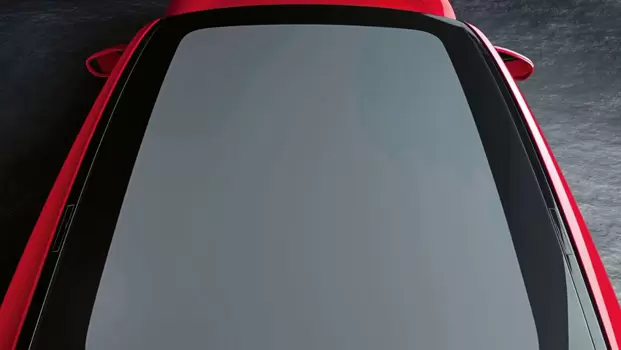
Let’s break down the main differences between car PDLC roof film and traditional tint. Here’s a quick look at how each one stacks up when it comes to your window needs:
| Feature | Car PDLC Roof Film | Traditional Tint |
|---|---|---|
| Privacy | Switchable with a button | Fixed level, always on |
| Heat Rejection | High, adjustable | Good, depends on type |
| UV Protection | Excellent | Good to excellent |
| Cost | Higher upfront | More budget-friendly |
| Installation | Professional, more complex | Widely available, simpler |
| Appearance | Modern, high-tech look | Classic, many shades |
If you want a window that can change from clear to frosted, the PDLC roof film is the way to go. It gives you privacy on demand. Traditional tint offers a steady look and works well for most drivers. Both options help with heat rejection and uv protection, so your car stays cooler and your interior lasts longer.
Tip: Think about what matters most to you—privacy, style, or cost—before you pick a window solution.
Car PDLC Roof Film Pros:
●Dynamic privacy at the touch of a button
●Great heat rejection and uv protection
●Sleek, modern appearance
●Works well in extreme temperatures
Car PDLC Roof Film Cons:
●Higher cost
●Needs professional installation
Traditional Tint Pros:
●Affordable for most budgets
●Many shades and styles for any window
●Good heat rejection and uv protection
●Easy to find installers
Traditional Tint Cons:
●Privacy level is always the same
●May fade or bubble over time
Choosing between these two comes down to what you want from your window. If you love tech and want control, PDLC roof film is exciting. If you want a classic look and easy care, tint is a solid choice.
When you step into your car on a sunny day, you want the cabin to feel cool and comfortable. Both PDLC roof film and traditional tint help with heat rejection and uv protection, but they do it in different ways. PDLC roof film uses advanced technology to switch between clear and frosted states, giving you dynamic privacy control and excellent heat rejection. It can block up to 99% of harmful uv rays, which keeps your interior safe and your skin protected.
Traditional tint, especially ceramic tint, is designed for superior heat rejection. It works passively, always providing consistent performance without needing any electronics. Ceramic tint offers great uv protection and keeps the cabin cooler during long drives. Here’s a quick look at how electric window tint and ceramic tint compare:
| Feature | Electric Window Tint | Ceramic Window Tint |
|---|---|---|
| Privacy | Instant privacy at the push of a button | Privacy depends on film shade, not switchable |
| Heat rejection | Secondary benefit, not its main function | Designed specifically for heat control |
| Clarity | Can appear frosted or milky when off | Always optically clear |
| Reliability | Dependent on power, wiring, and controllers | Passive system, no electronics involved |
PDLC roof film stands out for its ability to adjust opacity based on environmental factors. This means you get privacy control and heat rejection that adapts to your needs. Ceramic tint delivers steady performance, making it a favorite for drivers who want reliable heat rejection and uv protection every day.
Glare can make driving uncomfortable and even dangerous. PDLC roof film offers smart control over light, reducing harsh reflections without making your window too dark. You can switch the film to frosted mode when sunlight gets intense, which helps maintain natural visibility and cuts down on eye strain. This feature is especially handy during bright afternoons or when headlights from other cars hit your window at night.
Traditional tint also reduces glare, but it does so by darkening the window. While this works well during the day, it can sometimes make night driving harder. Anti-glare window film, like PDLC, keeps visibility high and comfort steady in all lighting conditions. Here are some benefits of glare reduction:
●Reduces harsh light reflections without darkening the window
●Helps drivers see clearly and react faster
●Minimizes eye strain during long drives
●Improves safety by cutting sun glare that can temporarily blind drivers
With PDLC roof film, you get smart light control that adapts to changing conditions. Traditional tint gives you a fixed level of glare reduction, which works for most situations but lacks the flexibility of PDLC technology.
Privacy matters when you’re parked or driving through busy streets. PDLC roof film gives you instant privacy control at the touch of a button. You can switch from clear to frosted in seconds, making your cabin feel secluded whenever you want. This dynamic privacy control is perfect for tech lovers and anyone who values comfort.
PDLC films can automatically adjust opacity based on temperature or sunlight, keeping the interior cool and private. They reduce heat absorption by up to 99%, which means your car stays comfortable even in hot weather. The smart roof film also blocks uv rays, protecting both passengers and the interior.
Traditional tint provides privacy based on the shade you choose. It’s always on, so you get a steady level of privacy and heat rejection. While it doesn’t offer instant privacy control, it still makes the cabin more comfortable and shields you from prying eyes.
Here’s what PDLC roof film brings to your ride:
●Instant privacy and smart control over light
●Enhanced comfort by keeping the cabin cool
●Safety features like preventing window shattering
●Thermal comfort and privacy for all occupants
Both options improve performance, but PDLC roof film takes comfort and privacy control to the next level. You get a smarter, more adaptable window experience that fits your lifestyle.
Car pdlc roof film uses a special technology called Polymer Dispersed Liquid Crystal. Inside the film, tiny liquid crystal droplets sit in a polymer matrix. When you press a button, an electric charge flows through the film. The liquid crystals line up, and the window turns clear. If you turn off the power, the crystals scatter light, making the window frosted. This dynamic transparency lets you control privacy and light instantly. You get a smart window that can switch between clear and private in milliseconds. The film works well in extreme temperatures, so you can rely on it year-round.
Electric window tint comes in several forms. The most common is automotive electric window tint, which uses PDLC technology. You can control the tint with a switch or remote. The window changes from transparent to opaque almost instantly. There are other types, like electrochromic glass, but they work slower and only shade the window, not make it fully private. Traditional tint uses ceramic or dyed materials. It stays at one shade all the time. You pick the level of darkness when you install it. Smart tint technology gives you more flexibility, but classic tint is simple and reliable.
Here’s a quick table comparing electric window tint types:
| Feature | Electric Window Tint (PDLC) | Electrochromic Glass |
|---|---|---|
| Technology | Polymer Dispersed Liquid Crystal | Electrochemical process |
| Response Time | Instantaneous (milliseconds) | Slow transition (seconds to minutes) |
| Privacy Control | Complete opacity for privacy | Only shading, not full privacy |
| Usage | Indoor and automotive | Exterior windows |
| Power Dependency | Needs continuous charge | Holds last state when off |
Car pdlc roof film and electric auto window tint offer some unique benefits. You get Privacy On Demand, switching from clear to frosted whenever you want. The film changes quickly, so you can control your environment with ease. Electrically tinted windows have excellent optical, thermal, and mechanical properties. They work in a wide range of temperatures and last a long time. Smart window tint is flexible and sticks well to glass. You can use it in many places, from cars to offices. Electrically tinted windows also give you a clean look, replacing old window coverings and boosting privacy.
Some limitations exist. Electric auto window tint needs power to stay clear or frosted. Traditional tint does not require electricity, but you cannot control it after installation. Electrically tinted windows are perfect for drivers who want smart control and instant privacy. Classic tint is better for those who want a fixed shade and easy care.
Tip: Electrically tinted windows make your car feel modern and comfortable. You can control privacy and light with a simple switch.
Getting a new window solution for your vehicle can feel exciting. The process for installing PDLC roof film is a bit different from traditional tint. PDLC film needs a professional touch. Installers clean the window, cut the film to fit, and wire it to your vehicle’s power system. This wiring lets you control the film with a button. The process takes a few hours, and you get a seamless look.
Traditional tint is more straightforward. Most shops can install it in less than a day. The installer cleans the window, applies the tint, and smooths out bubbles. No wiring is needed. You can drive your vehicle soon after.
Tip: Always choose a trusted installer for either option. A good job means your window will look great and last longer.
PDLC roof film works on many types of vehicles. You can use it on passenger cars, SUVs, and even commercial fleets. It fits well on sunroofs, side windows, and rear glass. Many OEMs trust this film for their new models. Traditional tint also fits almost any vehicle. You can add it to classic cars, trucks, or even specialty vehicles. Both options give you flexibility, so you can upgrade your ride no matter what you drive.
Here’s a quick table:
| Vehicle Type | PDLC Roof Film | Traditional Tint |
|---|---|---|
| Passenger Cars | ✅ | ✅ |
| SUVs | ✅ | ✅ |
| Commercial Fleet | ✅ | ✅ |
| Specialty Vehicles | ✅ | ✅ |
Keeping your window in top shape is simple. For PDLC roof film, just use a soft cloth and mild cleaner. Avoid harsh chemicals. The film is durable and works in hot or cold weather. If you notice any issues with the switch or wiring, contact your installer.
Traditional tint needs basic care too. Clean the window gently and avoid sharp objects. Over time, some tint may fade or bubble, but quality products last longer. If you spot problems, a quick visit to your installer can fix them.
Note: Regular cleaning keeps your window clear and your vehicle looking sharp.
Let’s talk numbers. If you want a smart window upgrade, car PDLC roof film usually costs more at the start. This is because the film uses advanced technology and needs professional installation. You pay for the ability to switch your window from clear to private with a button. Traditional tint is more budget-friendly. Most shops offer different levels of tint, so you can pick what fits your wallet. Here’s a quick look:
| Option | Upfront Cost | Installation Complexity |
|---|---|---|
| Smart PDLC Roof Film | Higher | Professional required |
| Traditional Tint | Lower | Widely available |
If you want a smart feature and a modern look, you might find the extra cost worth it. If you just want basic heat and uv protection, traditional tint gets the job done for less.
A smart window can help you save money over time. Both smart film and tint block heat and uv rays, which means your car’s air conditioning works less. This can lower your fuel use, especially in hot weather. Smart film also keeps your cabin cooler and protects your interior from fading. You spend less on repairs and cleaning. Traditional tint offers steady heat and uv protection, so your seats and dashboard stay in good shape. Both options help your vehicle last longer and feel more comfortable.
Tip: A smart window upgrade can pay off in comfort and lower maintenance costs, especially if you drive often or live in a sunny area.
When you sell your vehicle, buyers notice the condition of the window and the interior. A smart film or high-quality tint can make your car look newer and more attractive. Here’s what helps boost resale value:
●Enhanced appearance from a clean, modern window
●Preserved interior thanks to heat and uv blocking
●Increased comfort, which appeals to buyers in hot climates
●Professional installation that looks seamless
●Quality film that lasts and follows local laws
A smart window can set your vehicle apart in the market. Buyers like features that protect the car and make driving more enjoyable. Just make sure your tint or smart film is installed well and meets local rules.
Let’s talk about how your car looks. Aesthetics matter to a lot of drivers. Some people want their ride to stand out, while others prefer a clean, factory look. Car PDLC roof film brings a modern vibe to any window. You can switch from clear to frosted in seconds. This feature gives your car a high-tech edge and makes the cabin feel private and cool. The frosted look also adds a touch of luxury, especially when sunlight hits the glass.
Traditional tint offers a classic style. You can pick from many shades, from light smoke to deep black. Some tints have a shiny finish, while others look matte. This means you can match the window to your car’s paint or interior. If you want a sporty look, go for a darker shade. If you want something subtle, choose a lighter tint. Both options help you control glare and boost the overall aesthetics of your vehicle.
Tip: Think about how you want your car to feel inside and out. The right window solution can change the whole vibe.
Not every car is the same. Customization lets you get the perfect fit for your needs. PDLC roof film works well on sunroofs, side windows, and rear glass. It fits family SUVs, sports cars, and even commercial vehicles. You can tailor the film to match your driving style and comfort level.
Traditional tint is also flexible. You can choose the type that works best for your vehicle. Here’s a quick look at some popular options:
| Vehicle Type | Recommended Tint Types | Key Features |
|---|---|---|
| Family SUV | Metalized, Carbon | Enhances privacy, heat rejection |
| Sports Car | Dyed | Stylish appearance, good visibility |
| General Preference | Ceramic, Dyed | UV blocking, glare reduction, cost-effective |
This table shows that you can pick a window solution based on your car and what you want most—privacy, style, or comfort. Both PDLC film and tint give you options to match your taste. You can upgrade one window or the whole car. The choice is yours.
Note: Customization helps you get the most out of your car’s aesthetics and comfort.
When you invest in a window upgrade, you want it to last. Durability matters, especially if you drive in tough weather or park outside. PDLC roof film stands out for its resilience. It keeps its clarity and performance even after years of use. You can count on it to handle extreme temperatures, from freezing winters to blazing summers.
Traditional car tints come in several types. Each has its own lifespan and resistance to wear:
●Dyed window film usually lasts 3 to 5 years. It may fade or turn purple after long exposure to sunlight.
●Metalized window film can stick around for 5 to 9 years. It blocks heat and UV well but sometimes messes with electronics.
●Ceramic window film is the champ. It often lasts over 10 years. It keeps its color, blocks UV rays, and doesn’t interfere with your car’s tech.
●High-performance tints keep their visual appeal for many years. Standard tints tend to fade and look uneven, which can hurt your car’s value.
PDLC roof film offers reliable wear resistance. It stays strong against scratches and environmental factors. You get a window that looks sharp and works well, year after year.
Warranty coverage gives you peace of mind. You want to know your window solution is protected. Leading manufacturers offer strong warranties for both PDLC roof film and traditional tint.
●Many top tint brands provide a lifetime warranty. This covers bubbling, peeling, and fading for as long as you own your car.
●Performance car tint is designed to hold up for the lifetime of the vehicle. You get assurance that your investment will last.
PDLC roof film also comes with robust warranty options. You can expect coverage against defects and performance issues. If you ever notice a problem, warranty support helps you get it fixed fast.
Tip: Always ask about warranty details before you choose a window solution. A good warranty means you can drive with confidence and enjoy your upgrade for years.
If you love gadgets and want your vehicle to feel futuristic, a smart window upgrade is hard to beat. The ability to switch your window from clear to private with just a button feels like something out of a sci-fi movie. You get instant privacy, a modern look, and advanced light control. This technology fits right in with other smart features in your car. It makes every drive feel special and gives you control over your environment.
Saving money matters to many drivers. Traditional tint is the go-to choice if you want a simple, affordable way to improve your vehicle. It offers solid UV protection and keeps your cabin cooler without breaking the bank. Still, smart film can be a cost-effective retrofit compared to replacing glass, especially for those who want extra features. Here’s a quick look at how the options stack up:
| Feature | PDLC Roof Film | Traditional Car Tint |
|---|---|---|
| Cost of Ownership | Cost-effective retrofit compared to replacing glass | Lower upfront cost |
| Installation | Professional, straightforward | Widely available |
| Lifespan | 5 to 10 years or more | Varies by type |
| Benefits | On-demand privacy, UV protection, modern aesthetic | Classic look |
Privacy is a big deal for many people. Smart window film gives you control whenever you need it. You can make your window frosted in seconds, blocking out prying eyes. This is perfect for city driving or when you park in busy areas. Traditional tint also helps, but the privacy level stays the same all the time. If you want flexibility, smart film is the clear winner.
Most drivers just want their vehicle to be comfortable and look good. Both smart film and tint improve your window’s performance. You get less glare, better UV protection, and a cooler cabin. Smart film adds a touch of luxury and adapts to your needs. Tint is reliable and easy to maintain. Either way, your daily drive feels better with the right window solution.
Choosing the right window solution depends on your vehicle and what you want most. Smart film gives instant privacy, strong uv protection, and top heat control. It makes your vehicle feel modern and boosts performance, especially if you love tech. Traditional tint works well for drivers who want a classic look and easy care. Think about your vehicle’s needs, your budget, and how much smart control you want. Talk with a pro before you decide. Explore Shuifa Singyes New Materials Automotive Smart Film for the latest in smart window technology.
PDLC roof film uses electricity to change the alignment of liquid crystals. Press a button, and the window turns clear or frosted in seconds. It feels like magic!
Tint laws vary by state. Some places limit how dark you can go. Always check local rules before picking a tint shade. Stay safe and legal!
It’s best to let a pro handle PDLC roof film. The process needs wiring and careful fitting. DIY isn’t recommended unless you have experience.
Absolutely! PDLC roof film performs well from -30°C to 100°C. You get reliable privacy and comfort, no matter the season.
A quality tint or smart film can boost resale value. Buyers like clean windows and protected interiors. Choose professional installation for the best results.