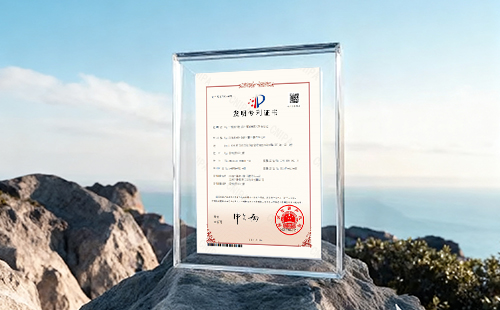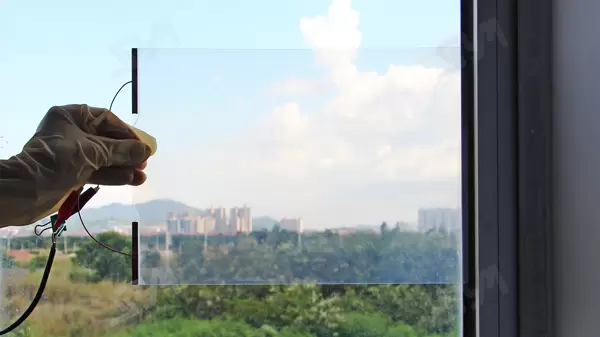
Accelerating Breakthroughs, Advancing to New Heights丨Zhuhai Shuifa Singyes New Materials Technology Co., Ltd. Secures Another Invention Patent
Learn more >


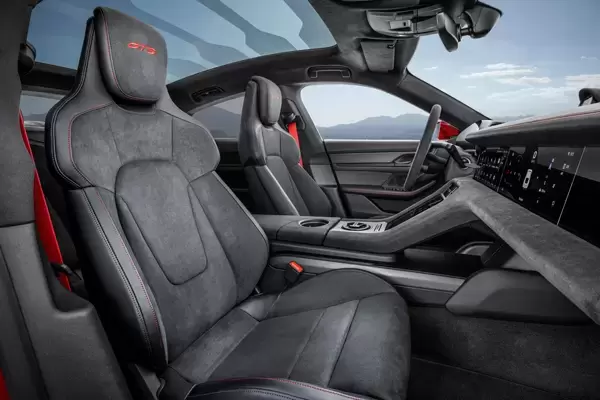
Automotive smart film can be supplied as part of a new vehicle glazing program or installed in an existing vehicle through an aftermarket project. Although both applications use switchable film to adjust the optical appearance of automotive glass, the engineering requirements behind them are different. Original equipment manufacturer (OEM) projects involve coordination among vehicle manufacturers, glazing suppliers, component engineers, and film producers. Aftermarket installations must work within the dimensions, electrical architecture, and physical limitations of a vehicle that has already been built.
These differences influence almost every stage of the project, from product selection and glass compatibility to installation planning and quality inspection. An OEM program may allow the film configuration to be defined alongside the glazing assembly, while an aftermarket project usually requires the supplier and installer to assess an existing glass structure before confirming a suitable solution.
For manufacturers supplying automotive smart film, understanding these two operating models is essential. A film specification that works well in a controlled vehicle development program may require additional verification before it can be used for retrofitting. The same applies in reverse: a product configuration suitable for selected aftermarket applications may not meet the documentation, integration, and repeatability requirements of an OEM vehicle program.
Choosing the right approach therefore requires more than comparing installation costs. The intended vehicle application, available engineering information, electrical requirements, production volume, and responsibility for final inspection must all be considered before the project moves forward.
The most fundamental difference between OEM and aftermarket automotive smart film is the stage at which the product enters the vehicle development process.
In an OEM program, the film is evaluated as a component of a larger vehicle or glazing system. The vehicle manufacturer may define the required optical behavior, appearance, installation position, and electrical interface before the final product configuration is approved. The film supplier then works with the relevant engineering teams to confirm whether the proposed design can meet those requirements.
This process can involve prototype samples, interface reviews, dimensional confirmation, performance testing, and formal approval procedures. Changes to the glass design or electrical arrangement may require a corresponding review of the film specification.
Aftermarket projects begin with an existing vehicle. The glass dimensions, curvature, mounting structure, surrounding trim, and electrical system have already been established. The installer must determine whether the proposed smart film can be fitted without creating conflicts with these existing components.
This changes the way technical decisions are made. OEM engineers can potentially influence the design of the complete glazing assembly, whereas aftermarket installers generally need to adapt the installation plan to the available space and existing vehicle configuration.
Project consideration | OEM automotive smart film | Aftermarket automotive smart film |
Development starting point | Vehicle and glazing requirements defined during development | Existing vehicle and installed glass |
Design coordination | Collaboration with vehicle and glazing engineering teams | Coordination among supplier, installer, and vehicle owner or project operator |
Dimensional information | Engineering drawings and approved glazing specifications may be available | Measurements and vehicle-specific compatibility checks are often required |
Electrical integration | Planned around the vehicle program's electrical architecture | Must be assessed against the existing electrical system |
Installation conditions | Defined assembly process and production environment | Vary according to the vehicle and installation facility |
Validation approach | Program-specific testing and documented approval | Compatibility checks and installation-specific functional inspection |
Delivery priorities | Production scheduling, repeatability, and program continuity | Model availability, installation scheduling, and individual or batch order fulfillment |
These distinctions do not mean that OEM applications are always more complicated or that aftermarket installations are necessarily straightforward. A relatively simple OEM configuration may have a well-defined assembly process, while a retrofit involving curved glass, restricted access, or an unfamiliar electrical layout may require considerable engineering work.
The appropriate level of technical support depends on the specific application rather than the project label alone.
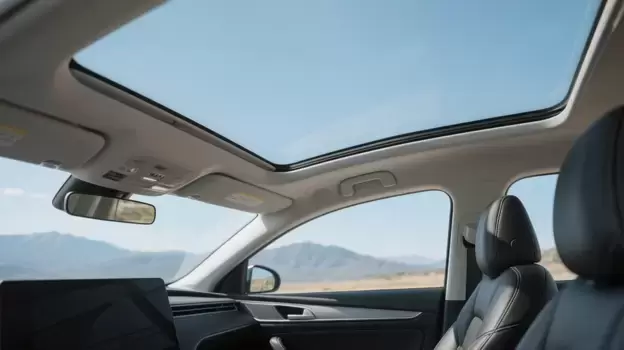
Vehicle compatibility is one of the first issues that must be resolved in both OEM and aftermarket projects. However, the information available and the method used to confirm compatibility can differ significantly.
During vehicle development, smart film selection should be coordinated with the approved glazing design. The engineering team needs to establish which glass panel will receive the film, how much of the glass should remain active, and where connections can be accommodated within the assembly.
The glass drawing provides a starting point, but the nominal outline does not necessarily represent the usable film area. Black ceramic borders, mounting features, trim coverage, and other structural details can restrict the available space. These factors should be included when defining the film dimensions and installation boundaries.
The review should also establish whether the proposed film construction is suitable for the intended glazing configuration. Glass curvature, the position of the film within the assembly, and the surrounding materials can influence the installation process and the final optical appearance.
When this information is confirmed early, the supplier can evaluate the design before tooling, production planning, or assembly procedures are finalized.
Aftermarket projects often require a different approach because the installer may not have access to the complete vehicle engineering package. Product selection may depend on the vehicle model, model year, glass variant, available measurements, and physical inspection.
Two vehicles carrying the same model designation may not necessarily have identical glazing configurations. Different trim levels, roof options, production revisions, or replacement glass can introduce dimensional and structural variations.
For this reason, a vehicle name alone should not be treated as sufficient evidence of compatibility. The installer should verify the actual glass configuration and compare it with the supplier's approved application information.
Where drawings are unavailable, measurements and reference photographs can help establish the glass outline, accessible installation area, and potential connection locations. More complex applications may require a sample fitting or additional technical review before the film is ordered.
Compatibility should be confirmed at the glass level rather than assumed from the vehicle model alone. This is particularly important when a project involves customized film dimensions or vehicles with non-standard glazing.
Customization is relevant to both OEM and aftermarket applications, but the reasons for customization are often different.
OEM manufacturers may define a product configuration around a specific vehicle platform. The required film dimensions, active area, connection position, and switching behavior can be established as part of the vehicle's glazing specification. Once approved, these details become part of the controlled product configuration.
Aftermarket suppliers may need to accommodate several vehicle models with different glass shapes and installation conditions. A product range that supports customized dimensions can be useful, but every proposed configuration still requires compatibility checks.
The active area is the portion of the smart film intended to provide the specified switching function. It should be defined separately from the total film dimensions because edge clearance, connection regions, and installation restrictions may reduce the usable area.
For OEM projects, this boundary can be established from the approved glazing design. For aftermarket applications, it may need to be determined through measurement and a review of the existing glass structure.
An active area that is too large may conflict with the mounting arrangement or other components. An unnecessarily small area may reduce the intended visual effect. The objective is to establish a configuration that meets the functional requirement while remaining suitable for the actual installation.
Electrical connections should be considered during product configuration rather than added as an afterthought. Their positions influence the available installation space and the route through which wiring reaches the power and control components.
OEM projects may provide dedicated routing paths or defined assembly interfaces. Aftermarket installations have to work with existing trim, access points, and wiring arrangements.
A suitable configuration should therefore account for both the location of the connection and the method used to protect and route the wiring. The specific arrangement depends on the vehicle design and the film system being installed.
Standardized products can simplify selection and ordering when the target glass matches the approved configuration. They may also reduce repeated engineering work for common applications.
Customized solutions are more appropriate when the glass shape, active area, or connection layout falls outside the available standard range. However, customization should be based on clearly defined requirements. Unnecessary variations can complicate product identification, inspection, and replacement.
For OEM programs, the final specification should be linked to the relevant vehicle or glazing configuration. For aftermarket supply, clear application records help installers distinguish compatible versions and avoid selecting products based on appearance alone.
Installation planning is another area where OEM and aftermarket requirements diverge.
In an OEM production environment, the film installation process can be incorporated into a defined assembly sequence. The manufacturer can establish work instructions, operator responsibilities, handling procedures, and inspection points before production begins.
The process may specify how the glass is prepared, how the film is positioned, how connections are completed, and how the finished assembly is checked. If installation takes place before the glazing unit is installed in the vehicle, access to the relevant surfaces and connection areas may be easier to manage.
A stable assembly process also makes it easier to identify the source of a defect. If a problem appears repeatedly at a particular stage, engineers can review the corresponding operation and determine whether the cause is related to materials, handling, positioning, or electrical connection.
Aftermarket installation usually takes place under different conditions. The vehicle may already contain interior trim, electronic components, existing wiring, and other equipment that restrict access. The installer must assess these conditions before selecting a suitable working method.
Several practical checks are important:
l Confirm that the target glass can be accessed safely without damaging surrounding components.
l Identify whether trim removal or other disassembly is necessary.
l Determine how the film and its connections can be positioned within the available space.
l Establish a suitable route for electrical wiring and control components.
l Check whether the proposed installation method is compatible with the glass and film specifications.
l Define the functional checks required after installation.
The work should also account for the condition of the existing glass. Cracks, damaged edges, contamination, previous film installations, or unsuitable surface conditions may affect the feasibility of the retrofit.
Installation instructions must be specific to the product and application. A method that works for one glass configuration should not automatically be transferred to another without confirming compatibility.
Automotive smart film requires an electrical arrangement that supports the intended switching function. The way this arrangement is established depends on whether the film is integrated during vehicle development or added to an existing vehicle.
For OEM applications, electrical requirements can be reviewed alongside the vehicle's power distribution, control interfaces, and assembly architecture. The engineering team can define how the film system receives power, how switching commands are delivered, and how the relevant components are installed.
The supplier and vehicle engineering team should agree on the required electrical characteristics and control behavior before the configuration is finalized. This includes identifying the appropriate power supply arrangement, connection requirements, control method, and any relevant operating restrictions.
Where multiple switching zones are required, the electrical architecture must support the intended configuration. Separate zones may need appropriate conductive layouts, connections, and control channels. The number of visible regions alone does not establish how many zones can operate independently.
Aftermarket applications require an assessment of the existing vehicle electrical system. The installer must identify a suitable power source and determine whether the proposed control arrangement is compatible with the intended use.
A retrofit should not rely on an assumed connection point simply because it is convenient to access. The electrical requirements of the film system need to be checked against the vehicle's available supply and the installation instructions. Wiring protection, connection security, and appropriate component placement are also important.
Control expectations should be confirmed before installation. Some projects may require a simple switching function, while others may involve additional control interfaces. The available functions depend on the selected product and control equipment, so suppliers should not promise compatibility with a vehicle interface without technical confirmation.
Electrical integration also affects troubleshooting. A switching problem may originate from the film, the power supply, the connection, or the control component. Clear installation records and a defined inspection procedure make it easier to identify the cause and avoid unnecessary replacement of otherwise functional parts.
OEM and aftermarket projects both require quality checks, but the scope and documentation of those checks may differ.
An OEM program normally establishes acceptance criteria before the product enters regular vehicle production. These criteria may cover dimensional conformity, visual appearance, electrical performance, switching behavior, and the quality of the completed glazing assembly. The exact requirements depend on the vehicle program and the applicable product specification.
Sample approval is an important part of this process. A representative sample allows the manufacturer and supplier to evaluate the proposed configuration before it is released for wider use. If the design changes, the team can determine whether further validation is necessary.
The verification process should distinguish between different types of requirements. Dimensional inspection confirms whether the film matches the approved layout. Electrical testing evaluates the relevant connections and switching functions. Visual inspection checks the appearance of the film and its integration with the glass.
Where required by the vehicle program, additional environmental, durability, or system-level tests may be necessary. Successful completion of a basic switching test should not be treated as proof that every automotive qualification requirement has been met.
Aftermarket quality control focuses on confirming that the selected product is compatible with the actual vehicle and that the installation has been completed correctly. Before work begins, the installer should check the product version and inspect the glass condition. After installation, the film should be tested according to the supplier's instructions.
The inspection should confirm that the intended area switches as expected and that the electrical connections and control components function correctly. The finished installation should also be checked for visible defects, inappropriate edge placement, loose wiring, or interference with surrounding components.
Quality checkpoint | OEM application | Aftermarket application |
Product identification | Linked to the approved vehicle or glazing specification | Matched to the actual vehicle and glass configuration |
Dimensional verification | Compared with controlled engineering data | Confirmed against application data and actual glass measurements |
Electrical checks | Performed according to the program's defined test requirements | Performed after installation using applicable product instructions |
Visual inspection | Conducted at specified production and approval stages | Conducted during final installation inspection |
Documentation | Maintained through the vehicle program's quality process | Recorded according to the installer or project operator's procedures |
The distinction is important because neither application should rely on visual appearance alone. A film may appear correctly positioned while still having an unsuitable electrical connection or an incompatible configuration.
The supply requirements for OEM and aftermarket smart film can differ considerably, even when the underlying product technology is similar.
OEM programs often operate according to vehicle production schedules. The supplier must coordinate product specifications, sample approvals, manufacturing capacity, delivery timing, and changes to engineering data. Once a configuration has been approved, consistency between batches becomes particularly important.
The supplier should maintain clear records of the approved specification and communicate any proposed changes before implementation. A change in dimensions, materials, connection layout, or processing requirements may affect the suitability of the product for the vehicle program.
Forecasting and delivery planning also matter. If smart film is part of a scheduled glazing assembly process, delayed components may affect downstream operations. Production planning should therefore consider expected demand, lead times, quality release requirements, and the handling of engineering changes.
Aftermarket supply may involve smaller orders, a wider range of configurations, and demand that varies by vehicle model. Product identification and order accuracy become especially important when similar-looking films are available in different sizes or with different connection arrangements.
Suppliers can support aftermarket projects by maintaining clear product descriptions, application records, dimensional information, and installation guidance. Where a standard configuration does not match the target glass, the supplier should identify the additional information needed before confirming a customized order.
The delivery process should also make clear what is included in the supplied package. Depending on the product and project, this may involve the film itself, specified electrical components, technical documentation, or installation instructions. The exact package should be agreed upon rather than assumed.
For both channels, traceable specifications and consistent communication reduce the risk of ordering errors. The main difference lies in the planning environment: OEM supply is usually organized around an established production program, while aftermarket supply must accommodate a broader variety of vehicle conditions and order requirements.
Selecting between OEM integration and aftermarket installation begins with the intended use of the smart film and the level of control available over the vehicle glazing.
OEM integration is generally appropriate when the film is intended to become part of a new vehicle or a planned glazing assembly. It suits projects that require early engineering coordination, controlled product specifications, formal sample approval, and repeatable installation procedures.
This model is particularly relevant when the vehicle manufacturer wants to coordinate the film with the glass design, electrical architecture, and assembly process. It also provides an opportunity to define quality requirements before regular production begins.
Aftermarket installation is more suitable when the target vehicle already exists and the film is being added to an established glazing configuration. Its feasibility depends on the condition of the glass, the availability of a compatible product, the installation environment, and the ability to meet the electrical requirements.
Before selecting an aftermarket solution, the project operator should confirm the exact vehicle and glass configuration, review the proposed installation method, and establish what functional checks will be performed after fitting.
Several questions can help guide the decision:
l Is the film being incorporated during new vehicle development or added to an existing vehicle?
l Are approved glass drawings and electrical interface information available?
l Does the proposed product match the target glass and intended active area?
l Can the electrical connections be installed safely within the available space?
l What sample approval, inspection, and documentation requirements apply?
l Will the project involve a repeatable production program or individual retrofit orders?
The answers determine the level of engineering support and validation required. A project should not be classified as straightforward solely because the film is being installed after vehicle production, nor should an OEM program be assumed to require the same process for every vehicle platform.
The most suitable approach is the one that matches the product configuration, available technical information, installation conditions, and required level of quality control.
OEM and aftermarket automotive smart film projects share the same broad objective of integrating switchable film with vehicle glass, but they operate under different engineering and delivery conditions.
OEM applications emphasize early design coordination, approved specifications, electrical integration, repeatable assembly, and program-level quality verification. Aftermarket applications place greater emphasis on vehicle identification, existing glass compatibility, installation access, electrical assessment, and checks on the completed retrofit.
For smart film manufacturers and project operators, these differences should guide product selection, technical communication, and validation planning from the beginning. Clear application information and well-defined acceptance criteria help reduce compatibility issues and unnecessary revisions.
A successful project is not determined by the film alone. The selected product, the vehicle glazing configuration, the electrical arrangement, and the installation process must work together to achieve the intended result. When these factors are assessed according to the requirements of the specific application, automotive smart film can be integrated more reliably into both new vehicle programs and suitable aftermarket projects.