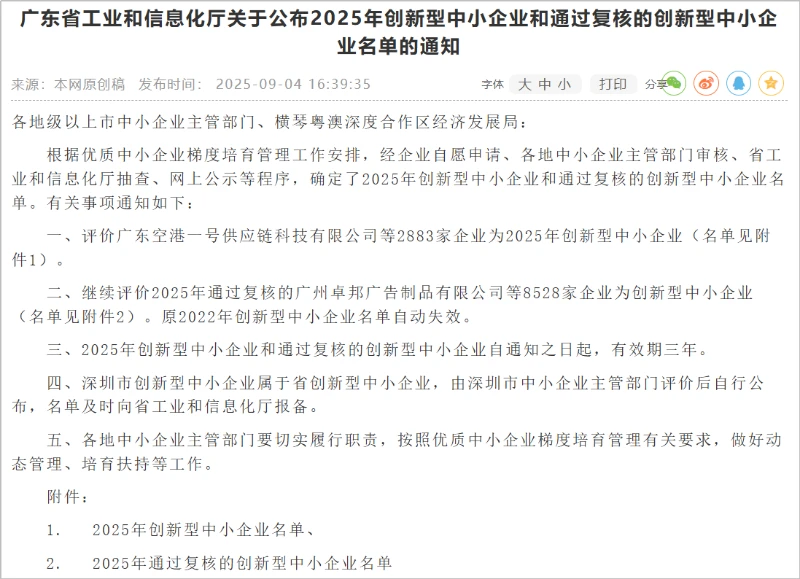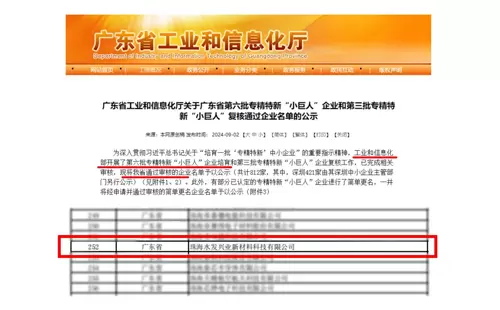
Guangdong Province Announces 2025 Innovative SME Re-evaluation List Shuifa Singyes New Materials Included
Learn more >


Modern commercial buildings are expected to perform consistently across a wide range of environmental conditions. From tropical business parks in Southeast Asia to healthcare facilities in Northern Europe and airport terminals in the Middle East, building materials must remain reliable despite significant differences in temperature, humidity, solar radiation, and seasonal weather. For architects and façade consultants, selecting materials that maintain stable performance throughout the building lifecycle is just as important as achieving the desired appearance.
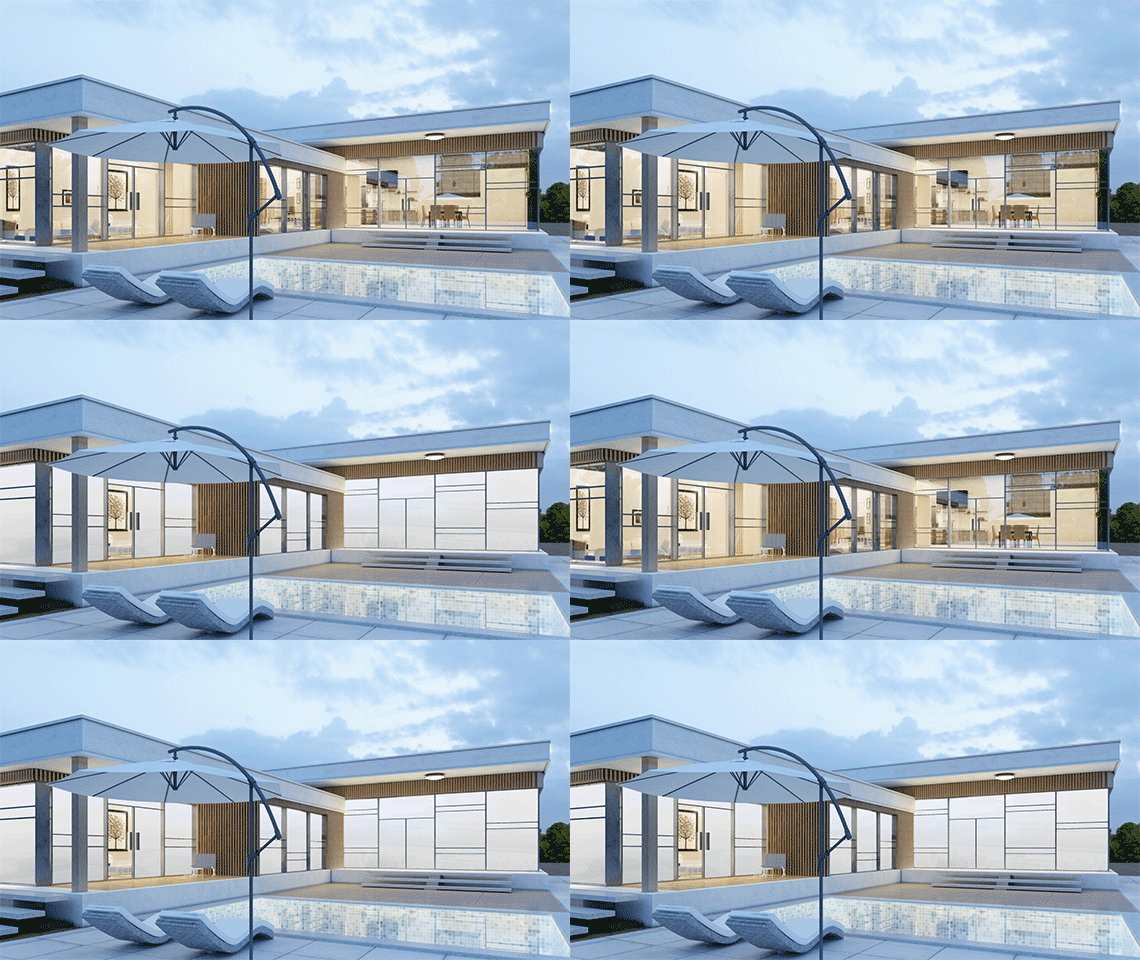
Among the technologies receiving increasing attention is Smart Film, also known as PDLC Smart Film or Switchable Smart Film. Installed on glass surfaces, it enables instant switching between transparent and opaque states, providing flexible privacy while maintaining daylight transmission. As more commercial projects adopt intelligent glazing systems, questions naturally arise about how Smart Film performs in different climates and whether environmental conditions affect its long-term reliability.
The answer depends on understanding both the PDLC layer itself and the surrounding glazing system. While climate undoubtedly influences building performance, not every environmental factor directly impacts the Smart Film. In many cases, concerns that appear to be related to the film are actually associated with the glass assembly, installation quality, or building envelope design.
Every building is exposed to environmental forces throughout its service life. Temperature fluctuations, solar radiation, moisture, wind loads, and airborne contaminants all influence how construction materials perform over time.
Architects therefore evaluate intelligent glazing differently from conventional decorative films. Rather than asking whether the film can switch between transparent and opaque states, they focus on broader engineering questions.
Typical project discussions include:
· Will switching performance remain stable throughout seasonal temperature changes?
· Does high humidity affect the PDLC layer?
· Can the film tolerate strong ultraviolet exposure?
· Will energy-saving performance remain consistent in hot climates?
· What maintenance requirements should be expected over years of operation?
These questions are particularly relevant for projects expected to operate continuously for decades, including commercial offices, hospitals, transportation hubs, hotels, and educational campuses.
Unlike exterior façade materials directly exposed to rain and wind, Smart Window Film is generally installed on the interior side of glazing or protected within laminated glass systems. This installation method significantly reduces direct environmental exposure while allowing the film to deliver dynamic privacy and daylight control.
As a result, climate affects Smart Film differently from many conventional building materials.
The performance of PDLC Smart Film should be evaluated under realistic building conditions rather than laboratory assumptions. Well-designed glazing systems are intended to operate across diverse climates, provided the correct products are selected and installed according to engineering requirements.
Regions with prolonged high temperatures place continuous demands on commercial buildings. Cities throughout the Middle East, Australia, Southern China, and parts of North America frequently experience summer temperatures exceeding 40°C.
High ambient temperatures alone do not prevent Smart Film from functioning normally. Modern PDLC materials are designed to operate within specified temperature ranges suitable for commercial construction.
In these environments, Smart Film primarily contributes by improving occupant comfort rather than acting as a thermal insulation product.
When switched to its opaque state, the film helps:
· Reduce direct glare entering occupied spaces.
· Improve visual comfort near large glazed façades.
· Maintain privacy without permanently blocking daylight.
· Support more balanced indoor lighting conditions.
It is important to distinguish between glare reduction and solar heat insulation. Energy Saving Smart Film improves visual comfort and contributes to more efficient daylight management, but it does not replace insulated glazing or Low-E glass designed specifically for thermal control.
In many office developments located in hot climates, Smart Film is specified together with high-performance insulated glazing to create a comprehensive façade solution.
High humidity often raises concerns among project owners, particularly in Southeast Asia, South America, and coastal regions where annual humidity remains elevated.
Fortunately, humidity itself has very limited influence on the internal PDLC layer once installation has been completed correctly.
The more important consideration is moisture protection during installation.
Proper installation includes:
· Thorough cleaning of the glass surface.
· Appropriate edge sealing.
· Stable electrical connections.
· Protection against water intrusion around exposed wiring.
When these engineering details are addressed, Self Adhesive Smart Film can operate reliably in humid climates for many years.
Commercial office towers throughout Southeast Asia frequently use intelligent privacy systems in conference rooms, executive offices, and meeting facilities despite year-round tropical conditions.
The surrounding building envelope, rather than the film itself, typically determines long-term moisture resistance.
Desert environments combine several challenging conditions simultaneously:
Environmental Condition | Engineering Consideration |
High solar radiation | Increased façade heat load |
Large day-night temperature variation | Thermal expansion of glazing systems |
Dust accumulation | Regular glass cleaning required |
Strong sunlight | Greater demand for glare control |
For buildings in desert regions, Smart Film offers practical operational benefits.
Large glass façades often produce intense sunlight and uncomfortable interior glare during peak daytime hours. By switching selected partitions or glazing panels to opaque mode, occupants can create more comfortable working environments without relying entirely on mechanical shading systems.
Dust itself generally affects only the exposed glass surface rather than the PDLC layer, since the film remains protected inside the glazing assembly.
Routine cleaning procedures therefore focus on maintaining clean glass rather than servicing the film.
Buildings located in Northern Europe, Canada, Northern China, and other cold regions face a completely different set of performance requirements.
Winter design priorities typically include:
· Maximizing natural daylight.
· Maintaining indoor thermal comfort.
· Reducing heat loss.
· Improving occupant wellbeing during shorter daylight hours.
One common misconception is that Switchable Film becomes ineffective in cold weather.
In reality, commercial-grade PDLC systems are designed for normal indoor operating environments. As long as the building maintains typical occupied temperatures, switching performance remains stable.
Rather than reducing daylight with permanent blinds or curtains, occupants can switch between transparent and opaque states according to functional requirements while preserving access to natural light.
This flexibility is particularly valuable in healthcare facilities, educational buildings, and commercial offices where daylight contributes to occupant comfort and productivity.
Snow introduces additional environmental considerations beyond low temperature.
Exterior glazing may experience:
· Snow accumulation.
· Ice formation.
· Repeated freeze-thaw cycles.
· Seasonal condensation.
However, these factors primarily influence the exterior glazing system rather than the Privacy Smart Film installed on the protected interior surface.
Properly designed curtain wall systems separate interior intelligent glazing components from direct exposure to rain, snow, and ice.
As a result, Smart Film continues to provide reliable privacy control throughout winter while avoiding the maintenance issues associated with mechanical blinds installed inside insulated glazing cavities.
Coastal buildings often face one of the most aggressive combinations of environmental conditions.
Salt-laden air can accelerate corrosion of exposed metal components, while strong winds and high humidity place additional demands on building envelopes.
When evaluating Smart Film for Buildings, architects should distinguish between corrosion affecting structural framing and the Smart Film itself.
The PDLC layer is not directly exposed to airborne salt when installed behind interior glass surfaces.
Instead, engineering attention should focus on:
· Corrosion-resistant electrical connectors.
· Proper edge sealing.
· Durable wiring protection.
· Compatible glazing systems.
These measures protect the overall intelligent glazing assembly rather than the film alone.
Consequently, airports, coastal hotels, office towers, and mixed-use developments near marine environments continue to specify Smart Film where flexible privacy is required.
Ultraviolet radiation is often considered one of the greatest concerns for any polymer-based material.
Commercial-grade PDLC Film incorporates materials engineered to resist long-term UV exposure under normal architectural conditions.
In practice, UV resistance depends on the complete glazing system rather than the film alone. But Singyes PDLC Film can resist over 99% UV rays.
Architectural glass itself filters portions of ultraviolet radiation before it reaches interior materials. Additional glazing configurations may further improve UV management depending on project requirements.
For projects located in regions with particularly strong sunlight, architects typically evaluate:
· Overall glazing specification.
· Glass type.
· Solar control strategy.
· Building orientation.
· Façade shading systems.
Smart Film functions as one component within this broader façade design rather than serving as the sole method of solar protection.
Although climate varies significantly around the world, only certain environmental factors have a direct relationship with PDLC Smart Film performance.
The table below summarizes how common environmental conditions influence intelligent glazing systems.
Environmental Factor | Direct Impact on Smart Film | Engineering Focus |
Temperature | Moderate | Operating temperature range and indoor conditions |
Humidity | Low | Installation quality and edge sealing |
UV Radiation | Moderate | Glass specification and UV-resistant materials |
Solar Heat Gain | Indirect | Building façade design and glazing selection |
Condensation | Indirect | Building envelope performance |
Wind Pressure | No direct impact | Curtain wall engineering and glass structure |
Salt Exposure | Minimal | Electrical protection and connector durability |
One important observation is that several issues commonly attributed to Smart Film are actually façade engineering challenges.
For example, wind pressure acts on the glass panel rather than the PDLC layer.
Similarly, condensation typically results from differences in indoor and outdoor temperatures or insufficient thermal insulation within the glazing system.
This distinction helps architects make more informed specification decisions and avoid unrealistic performance expectations.
One of the reasons Smart Film is increasingly specified in modern commercial buildings is its ability to improve the indoor environment without sacrificing the openness that architects want from large glass areas. However, its contribution to building energy performance is often misunderstood.
Some project owners assume that PDLC Smart Film functions as a replacement for insulated glazing, Low-E glass, or solar control coatings. In reality, these products perform different tasks within the building envelope and are most effective when used together.
The primary function of Smart Film is to dynamically control visible light, privacy, and glare. By applying an electrical current, the liquid crystal layer changes alignment, allowing the glass to switch between transparent and opaque states within seconds. This flexibility enables occupants to manage daylight according to changing operational requirements rather than relying on permanent blinds or curtains.
From an engineering perspective, Smart Film should be viewed as one component of a complete façade strategy. Combined with high-performance glazing systems, it enhances occupant comfort while supporting broader building energy objectives.
Buildings in hot climates often experience significant solar radiation through large glazed façades. Although Smart Film is not designed to block all solar heat, it contributes to a more comfortable indoor environment by improving daylight management.
When switched to its opaque state, Smart Film helps reduce direct glare entering occupied spaces. Employees working near curtain walls experience fewer reflections on computer screens, meeting rooms become easier to use during presentations, and occupants are less likely to close permanent blinds throughout the day.
These operational improvements also support better energy management. By allowing daylight to remain available while reducing visual discomfort, buildings can reduce unnecessary dependence on artificial lighting and mechanical shading systems.
Cold-climate buildings face a different challenge. During winter, maximizing natural daylight becomes increasingly important because shorter daylight hours often lead to higher electricity consumption for interior lighting.
Traditional blinds frequently remain closed for extended periods, preventing valuable daylight from entering occupied spaces.
Switchable Smart Film offers a more flexible solution. Privacy can be activated only when required, allowing glazing to remain transparent for most of the working day. When integrated with insulated glazing and Low-E glass, Smart Film contributes to a façade system that balances daylight utilization, occupant comfort, and thermal performance.
It is important to recognize that thermal insulation remains the responsibility of the glazing system, while Smart Film improves the functionality of interior spaces through intelligent privacy and glare control.
Climate Condition | Primary Building Challenge | Contribution of Smart Film |
Hot Climate | Excessive glare and occupant discomfort | Dynamic glare control and privacy |
Tropical Climate | Bright daylight and changing interior conditions | Flexible daylight management |
Desert Climate | Strong solar exposure | Improved visual comfort for occupants |
Cold Climate | Limited winter daylight | Preserve daylight while maintaining privacy |
Snow Areas | Reduced natural lighting | Replace permanent blinds with switchable privacy |
Coastal Areas | Variable daylight throughout the year | Reliable privacy control without affecting natural light |
Climate alone rarely determines whether Architectural Smart Film is suitable for a project. In practice, the building's function has a much greater influence on specification decisions.
Commercial buildings require different levels of privacy, daylight, operational flexibility, and user comfort depending on how each space is used. Smart Film provides adaptable privacy while maintaining the clean appearance of modern glass architecture, making it suitable for a wide range of applications regardless of regional climate.
Commercial office buildings continue to be one of the largest application sectors. Glass partitions create bright, collaborative workplaces, but conference rooms, executive offices, and financial departments still require privacy throughout the day. Rather than installing permanent blinds that interrupt the architectural design, Smart Film for Office allows instant switching whenever confidential discussions take place. This approach has become common in office developments across Southeast Asia, Europe, and North America despite their very different climate conditions.
Healthcare facilities present another example. Hospitals demand strict hygiene standards together with patient privacy. Fabric curtains require regular cleaning and occupy valuable space around treatment areas. Privacy Smart Film enables healthcare staff to create private consultation rooms electronically while maintaining a cleaner and more efficient environment. Since hospitals operate under controlled indoor temperatures and humidity levels, external climate has minimal influence on Smart Film after installation.
Hotels also benefit from flexible privacy solutions. Guest bathrooms, spa facilities, executive meeting rooms, and luxury suites increasingly incorporate Smart Film instead of traditional curtains or blinds. Whether the project is located in a tropical island resort, a mountain destination with heavy snowfall, or a business hotel in a desert city, the operating principle remains unchanged because the film is protected inside the building envelope.
Airports and transportation hubs represent another demanding environment. These facilities operate around the clock and require adaptable spaces for VIP lounges, security inspection rooms, administration offices, and medical service areas. Advanced curtain wall systems protect the glazing, allowing Smart Film to deliver consistent switching performance despite changing weather conditions throughout the year.
Educational buildings, research laboratories, and government facilities are also adopting intelligent glazing systems to create spaces that can easily transition between open collaboration and private activities. Instead of constructing additional partitions, operators can adjust transparency whenever teaching, presentations, examinations, or confidential meetings require greater privacy.
Long-term reliability is often one of the first questions raised during project planning. Building owners expect intelligent glazing systems to operate consistently for many years while requiring minimal maintenance.
One of the advantages of PDLC Smart Film is its installation position. In most commercial projects, the film is applied to the interior surface of the glass or incorporated within laminated glazing systems. As a result, it is not directly exposed to rain, snow, wind, airborne dust, or other outdoor weather conditions that accelerate material ageing.
The durability of Smart Film depends far more on engineering quality than on regional climate. Material consistency, manufacturing standards, electrical stability, installation workmanship, and edge sealing all play a more significant role in determining service life than whether the building is located in a hot or cold region.
Routine maintenance is relatively straightforward. Daily cleaning should focus on the exposed glass surface using cleaning products recommended for architectural glass. Abrasive tools, aggressive chemicals, and unnecessary force near electrical connections should be avoided to maintain long-term reliability.
For renovation projects, Self Adhesive Smart Film also offers an important advantage. Existing glazing can often be upgraded without replacing the complete glass unit, allowing buildings to modernize privacy functions while minimizing disruption and construction costs.
Engineering Factor | Influence on Long-Term Reliability |
PDLC material quality | High |
Manufacturing consistency | High |
Installation quality | High |
Edge sealing | High |
Electrical stability | High |
Indoor operating environment | Moderate |
Regional climate | Low |
Routine glass maintenance | Moderate |
Although climate has limited influence on the day-to-day operation of Smart Film, it deserves careful attention during installation.
Professional installers evaluate site conditions before beginning work to ensure the adhesive system, electrical components, and glass surface all meet project requirements.
Several factors require particular attention:
· Glass surfaces should be completely clean before film application.
· Installation should take place within the recommended ambient temperature range.
· Adhesives require sufficient curing conditions to achieve stable bonding.
· Electrical connections should be protected from moisture.
· Edge sealing should prevent long-term environmental intrusion.
For example, projects in tropical climates require greater attention to moisture management during installation, while projects in colder regions may need indoor temperature control before adhesive application begins. Coastal buildings often specify additional corrosion protection for electrical components because of salt-laden air.
These installation requirements are engineering best practices rather than operational limitations. Once installation has been completed correctly, Smart Film is capable of delivering stable switching performance across a wide range of climate conditions.
Climate Region | Primary Installation Consideration |
Tropical | Moisture protection and edge sealing |
Desert | Dust-free glass preparation |
Cold | Controlled installation temperature |
Coastal | Corrosion-resistant electrical protection |
High UV | Appropriate glazing specification |
Different climate conditions present different engineering challenges, but they do not fundamentally limit the application of Smart Film when it is specified, installed, and integrated correctly.
From tropical commercial developments and desert hotels to hospitals in North America and office towers in Europe, PDLC Smart Film continues to demonstrate stable performance because the technology operates within the protected environment of the glazing system rather than being directly exposed to outdoor weather.
Its primary contribution lies in dynamic privacy control, glare reduction, and intelligent daylight management. When combined with high-performance architectural glass, Smart Film becomes part of a comprehensive façade solution that improves occupant comfort while supporting long-term building efficiency.
For architects, façade consultants, contractors, and project owners, successful projects depend less on the surrounding climate and more on selecting quality materials, following proper installation practices, and integrating Smart Film into a well-designed glazing system. These engineering principles have enabled intelligent switchable glazing to become a practical and dependable solution for commercial buildings across diverse environmental conditions.